
Blooming
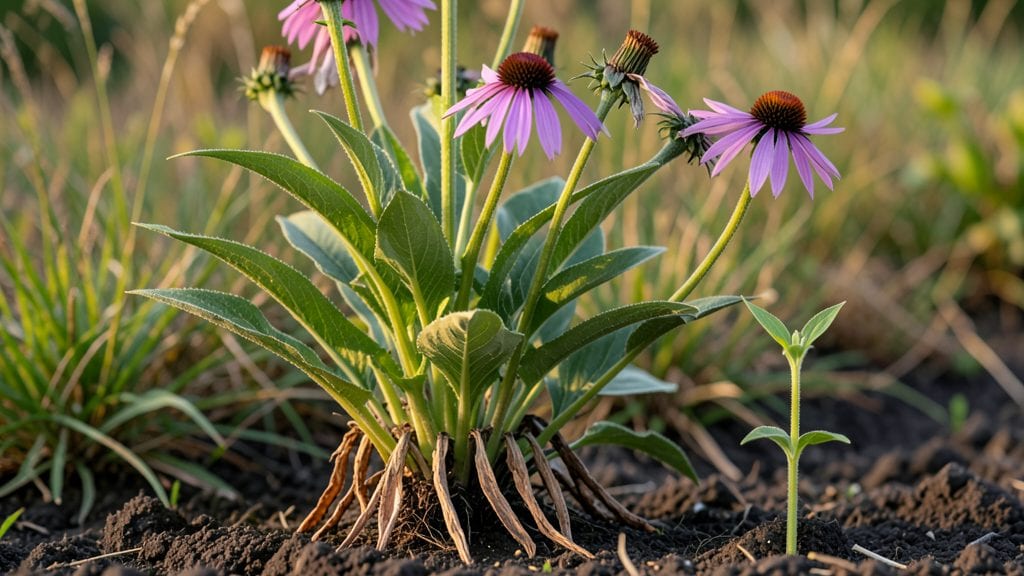
Perennials don't flower every year—blooming depends on their maturity stage, sunlight exposure, soil quality, and seasonal triggers. Most need 2-3 years to establish strong roots before flowering consistently, while others may skip years entirely due to environmental stress or dormancy needs.
This irregular blooming pattern isn't a flaw—it's actually how perennials conserve energy. 🌱 Many gardeners mistakenly assume all perennials should bloom annually, but species like peonies and lavender often take years to reach full flowering potential.
The key is understanding each plant's specific needs: some require full sun, others prefer partial shade, while drought-tolerant varieties might skip blooms during water restrictions. I've seen hostas that wait until their third year to produce flowers, proving patience pays off in the garden.
What's fascinating is how some perennials use their first few years to build root systems before flowering—this strategy ensures they'll have the energy reserves to produce abundant blooms later.
For example, coneflowers might put all their energy into roots during their first season, then reward you with vibrant flowers in years two and three. This built-in delay is nature's way of ensuring survival during unpredictable growing conditions.
💡 In This Article
- Why Some Perennials Skip Flowering
- How to Encourage Year-Round Perennial Blooms
Why some perennials skip flowering
The truth is that many perennials prioritize root and foliage growth over flowering during their early years. This isn't laziness—it's survival strategy. Plants like peony and iris often delay flowering for 2-3 years to build extensive root systems, which can reach depths of 3-5 feet or more.
These deep roots store energy reserves (like starches) that fuel future blooms. Think of it like a savings account: the plant invests in infrastructure before making withdrawals for flowers.
Light exposure plays a crucial role too.
Most flowering perennials need 6-8 hours of direct sunlight daily to trigger photoperiodism—the biological response to daylight length that initiates bloom production. Shade-loving plants like hostas or astilbes may produce fewer flowers if moved to sunnier spots, while sun-worshippers like daylilies can become stressed in partial shade.
The science here involves phytochrome pigments that detect light quality, sending signals to the plant's meristem (growth points) to either produce flowers or focus on leaves.
Environmental stress is another major disruptor. Drought conditions cause perennials to enter survival mode, diverting all energy to root growth while halting flower production. Even well-established plants like black-eyed Susans may skip blooming during dry spells.
Soil health matters too—plants grown in nutrient-poor soil prioritize leaf growth to maximize photosynthesis, delaying flowering until conditions improve. A soil test revealing low phosphorus (critical for blooms) can explain why your delphiniums are all foliage and no flowers.
Dormancy periods also explain why some perennials bloom irregularly. Many temperate perennials need cold stratification—a period of winter chill—to break dormancy and flower properly. Without adequate chill hours (typically 500-1,000 hours below 45°F), plants like bleeding hearts may produce only sparse blooms or none at all.
This is why gardeners in mild climates sometimes struggle with perennials that thrive in colder regions.
There's a clear distinction between short-lived and long-lived perennials here. Biennials like foxglove flower only once in their second year before dying, while true perennials may live decades but bloom sporadically.
Some, like lupines, have a 3-4 year flowering cycle where they bloom heavily one year, then rest for 2-3 years before repeating. This pattern ensures they don't exhaust their energy reserves all at once.
What most gardeners don't realize is that flowering is an energy-intensive process. A single peony flower can require as much energy as 100 hosta leaves to produce. When environmental conditions aren't ideal, the plant makes the rational choice: skip the flowers this year and invest in survival instead.
This biological trade-off explains why your once-vibrant garden might suddenly look like a leafy green wall one season.