
Flowers
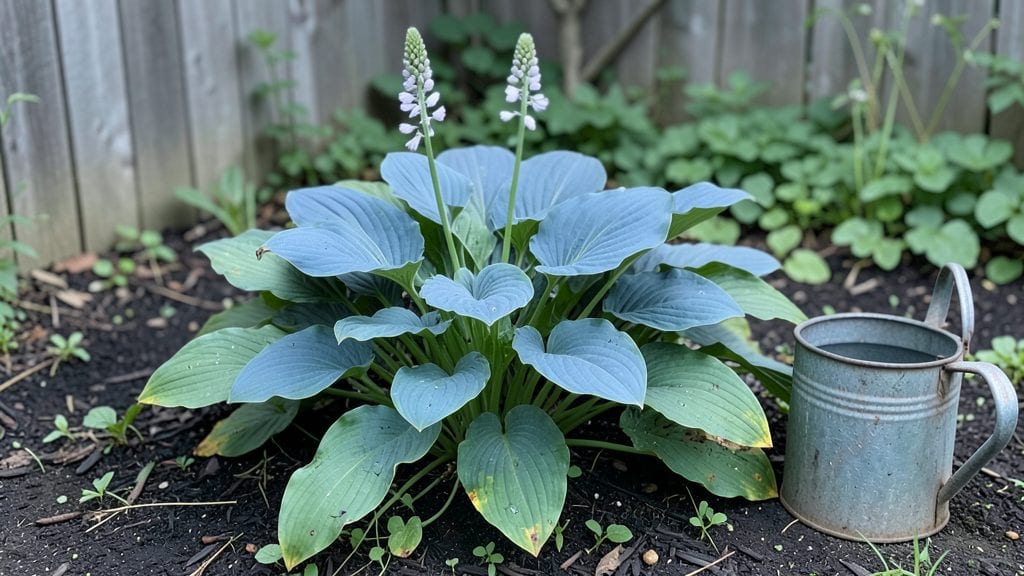
Yes, perennials come back yearly by definition, regrowing from roots, rhizomes, or crowns each spring after dying back in winter or dormancy, unlike annuals that complete their life cycle in one season or biennials that take two years. Their longevity depends on climate, care, and species resilience.
Perennials thrive because they store energy underground during winter, whether through thick roots, bulbs, or tubers. 🌱 This built-in resilience lets them push through soil and regrow leaves once temperatures rise—something annuals can't do.
My favorite example is peonies: they look dead in winter but explode with blooms every spring from the same root system planted years ago.
What sets them apart from annuals is their ability to adapt. Some perennials like hostas go dormant completely, while others like lavender stay semi-evergreen. The key to their yearly return? Proper care—watering during droughts, dividing overgrown clumps every few years, and choosing varieties matched to your climate zone.
💡 In This Article
- How Perennial Plants Survive Winter Dormancy
- Choosing Perennials for Reliable Yearly Growth
How perennial plants survive winter dormancy
Perennial plants endure winter through a fascinating biological process called dormancy, where their growth slows dramatically to conserve energy. The key mechanism involves specialized underground structures like roots, rhizomes, or bulbs that store carbohydrates, proteins, and water.
For example, a dahlia rhizome can store enough energy to regrow a 5-foot-tall plant the following season from just a few inches of buried stem. This underground storage system acts like a natural battery, keeping the plant alive even when above-ground parts freeze.
Above-ground adaptations vary dramatically. Deciduous perennials like hostas drop their leaves in winter, reducing water loss and preventing frost damage to delicate foliage. Evergreen perennials such as lavender or rosemary have thick, waxy leaves that slow water evaporation and contain compounds that protect cell membranes from freezing.
The science behind this involves antifreeze proteins in some plants that lower the freezing point of their cell fluids—similar to how antifreeze works in car engines but at a cellular level.
Temperature plays a critical role in triggering dormancy. Most perennials need a period of cool temperatures (35-45°F) to break their dormancy in spring. This chilling requirement ensures they don't regrow too early when late frosts could damage new growth.
For instance, tulip bulbs require 12-16 weeks of chilling below 40°F to bloom properly. Without this cold period, they might produce weak or no flowers—a phenomenon gardeners call "bulb blindness."
Underground storage structures vary by plant type. Bulbs (like tulips) store nutrients in a swollen underground stem, while tubers (like potatoes) store energy in thickened roots. Rhizomes (like irises) grow horizontally underground, producing new shoots from nodes along their length.
These structures can survive years of dormancy—some peony roots have been known to regrow plants after being dormant for decades in the right conditions.
What most gardeners don't realize is that proper soil conditions make all the difference. Well-draining soil prevents rot in stored energy reserves, while organic matter provides essential nutrients for spring regrowth. For example, daylilies thrive in USDA zones 3-9 because their fibrous roots spread widely to access moisture and nutrients.
In contrast, sensitive ferns need consistently moist, shaded soil to survive winter in colder climates. The right soil moisture balance prevents both freezing and suffocation of dormant roots.
This biological resilience isn't just about survival—it's about strategic growth. Perennials allocate their energy differently than annuals. While annuals focus all their energy on seed production in one season, perennials invest in root expansion and storage during their first growing season.
This explains why established perennials often outperform annuals in crowded gardens—their extensive root systems compete more effectively for resources each year.