
Flowers
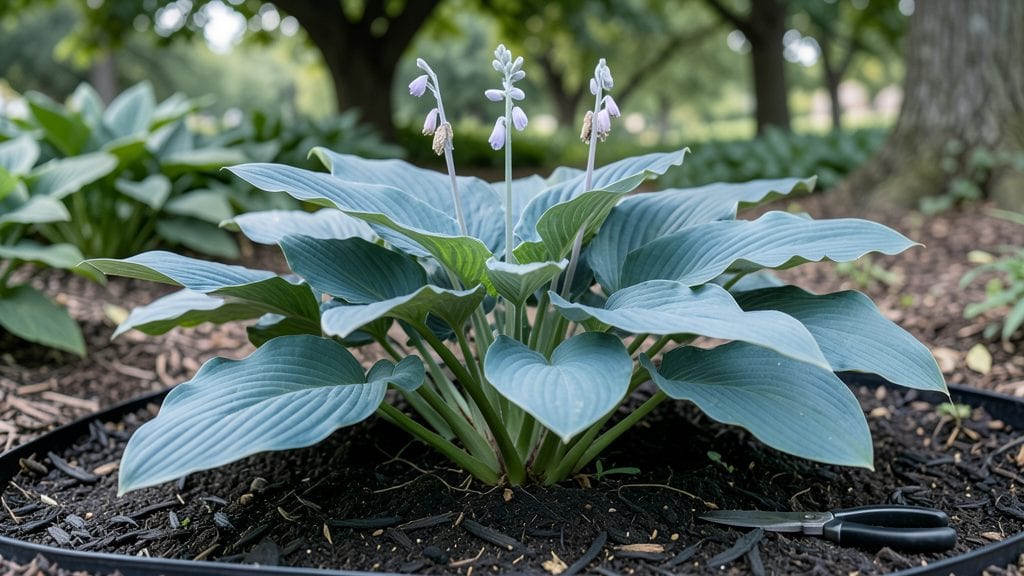
Yes, perennial plants do come back each year, thanks to their underground storage organs like roots, rhizomes, or tubers that survive winter dormancy. Cold hardiness determines their ability to regrow after frost, with some thriving in zones as low as 3 while others need milder climates.
Perennials rely on specialized underground structures to store energy and nutrients during winter, allowing them to push new growth once temperatures rise. 🌱 The difference between hardy varieties like peonies (which survive -40°F winters) and tender ones like cannas (needing zone 8+) comes down to how these storage organs tolerate freezing.
Even in harsh climates, proper mulching and winter care can dramatically improve survival rates—just look at how lavender thrives in zone 5 with minimal protection, while hostas often need extra insulation.
What many gardeners overlook is that perennials don't just "come back"—they often return stronger if given the right conditions. Pruning at the right time (after flowering for most types) and avoiding overwatering in late fall can prevent rot in storage organs.
I've seen coneflowers bounce back from -20°F winters with just a thick layer of straw mulch, while tropical perennials like elephant ears need to be dug up entirely in colder zones.
💡 In This Article
- How Perennial Plant Roots Survive Winter Dormancy
- Tips for Ensuring Perennial Plants Return Stronger
How perennial plant roots survive winter dormancy
Perennial plants rely on specialized underground structures to endure freezing temperatures, storing carbohydrates like starches and sugars in roots, bulbs, or corms. These storage organs act like natural batteries, converting sunlight energy into chemical reserves during growing seasons.
For example, peony roots can store enough energy to regrow after surviving -40°F winters, while tropical perennials like cannas store less and require warmer climates (zone 8+). The key difference lies in their cellular composition—hardy perennials produce antifreeze proteins that prevent ice crystal formation in their tissues.
Root systems vary dramatically between species. Taproots (like those of peonies) grow deep and store energy in a thick, fleshy structure, while fibrous roots (common in grasses) spread horizontally to create dense networks. Bulbs like tulips store nutrients in layered scales, while corms (like crocuses) have solid, starch-filled stems.
These variations explain why some perennials thrive in zone 3 while others need zone 10 protection. The USDA hardiness zone system accounts for these differences by measuring the lowest average winter temperatures plants can tolerate.
Water management is critical during dormancy. Hardy perennials like lavender reduce water loss by entering a semi-dormant state, while tender varieties may require mulching to prevent soil temperature fluctuations.
The science here involves osmotic adjustment—cells increase their solute concentration to lower freezing points, similar to how antifreeze works in car engines. This biological trick allows plants to remain flexible and hydrated even when soil temperatures drop below 20°F. 🌿
Light exposure plays a surprising role too. Many perennials need a period of cold (called vernalization) to trigger regrowth hormones. Without adequate chilling, plants may remain dormant or produce weak stems. This explains why some gardeners in mild climates struggle with perennials that require winter dormancy—nature's internal clock isn't satisfied!
The timing of this process varies: peonies need about 4-6 weeks of 32-40°F temperatures, while some alpine perennials require even colder conditions.
Consider the contrast between a hardy black-eyed Susan (which thrives in zone 3) and a tender elephant ear (needing zone 8+). The Susan's deep taproot stores enough energy to regenerate after winter's harshest freezes, while the elephant ear's rhizome system lacks the same cold tolerance.
This biological difference isn't just about temperature—it's about how each plant's cellular structure responds to freezing stress. The hardy varieties produce more protective proteins and maintain membrane integrity at lower temperatures.
What's fascinating is how these adaptations manifest physically. Hardy perennials often develop thicker, more waxy cuticles on their roots to prevent moisture loss, while tender varieties have thinner, more delicate structures.
The texture difference is noticeable—try comparing a peony root's firm, corky exterior to the smoother surface of a canna rhizome. This physical difference directly correlates with survival rates in cold climates. 💫