
Tools
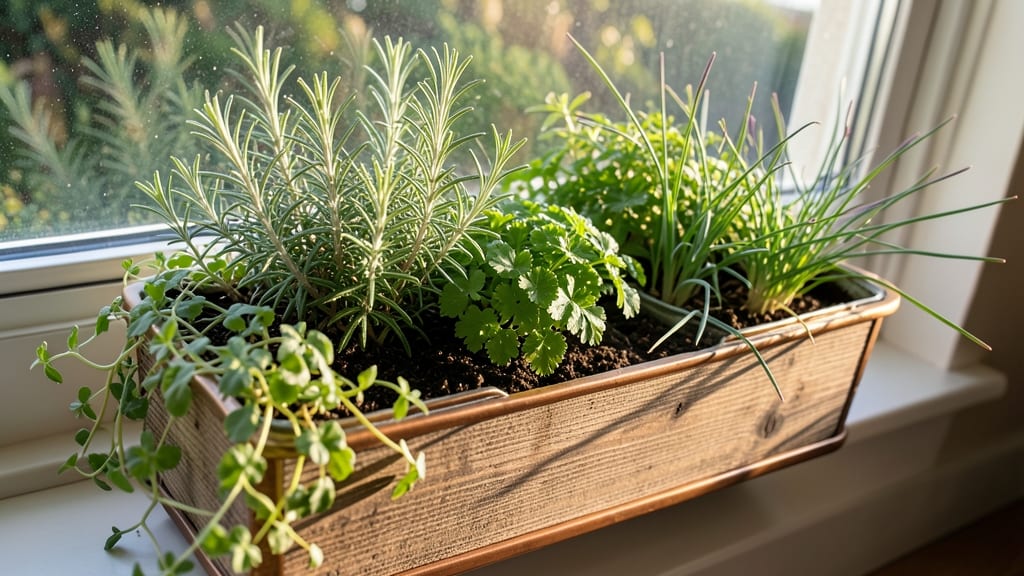
Transforming your outdoor space into a thriving garden doesn’t require expensive materials or a sprawling yard. These 10 DIY garden bed ideas prove that creativity, not space, determines your harvest potential—whether you’re working with a balcony, patio, or backyard.
Raised Wooden Box Garden Beds
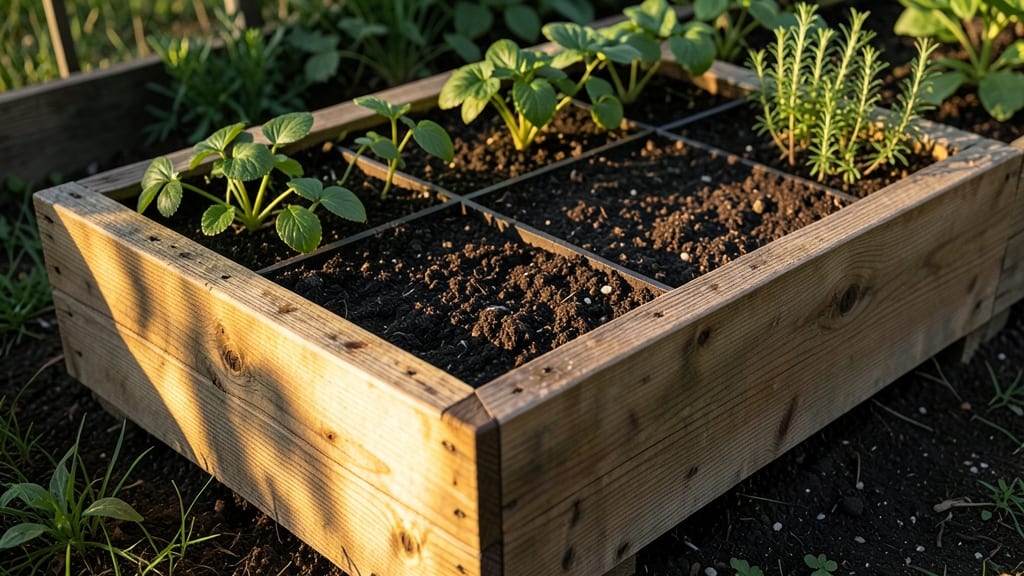
If you're ready to grow your first vegetable garden but dread bending over weedy soil, raised wooden box beds are your solution. These classic beds create a clean, customizable growing space that keeps weeds out while improving drainage for moisture-sensitive plants like strawberries and herbs.
Start with untreated cedar or redwood (rot-resistant woods) for longevity, and line the bottom with landscape fabric to prevent soil loss. Fill with a mix of topsoil, compost, and perlite for optimal drainage and fertility. The elevated design also warms up faster in spring, giving you an earlier start on cool-season crops like lettuce or peas.
Perfect for beginners, these beds require minimal maintenance and let you tailor soil conditions to your plants' needs. Plus, they add a polished look to any garden! 🌱
Pallet Wood Vertical Garden Planters
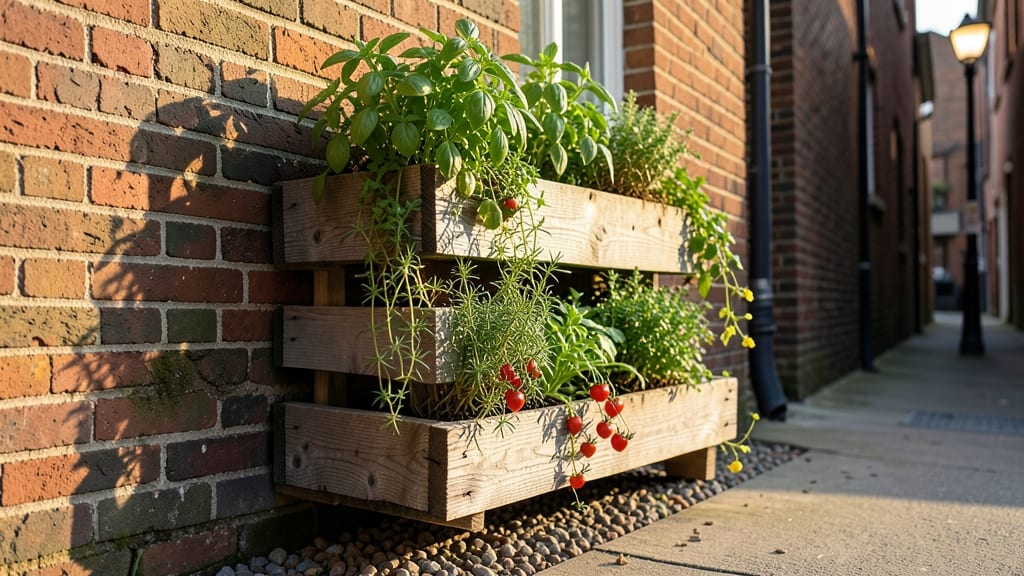
If you’re cramped for space but still dream of a lush garden, pallet wood vertical planters turn scrap wood into a thriving green wall. These planters transform dead space into productive growing areas—ideal for urban balconies, small patios, or even alleyways.
Start by disassembling clean, heat-treated pallets (avoid chemically treated ones). Line the slats with landscape fabric to prevent soil spillage, then fill each compartment with a lightweight potting mix suited for your plants. Shallow-rooted varieties like lettuce, strawberries, or succulents flourish here, while herbs like basil or thyme add fragrant texture. Hang or mount the planter on a sturdy wall, ensuring proper drainage holes at the bottom.
This zero-waste solution is perfect for renters, beginners, or anyone tired of struggling with limited ground space. Plus, the rustic wood aesthetic adds charm to any outdoor area. 🌿
Hugelkultur Mound Beds for Perennials
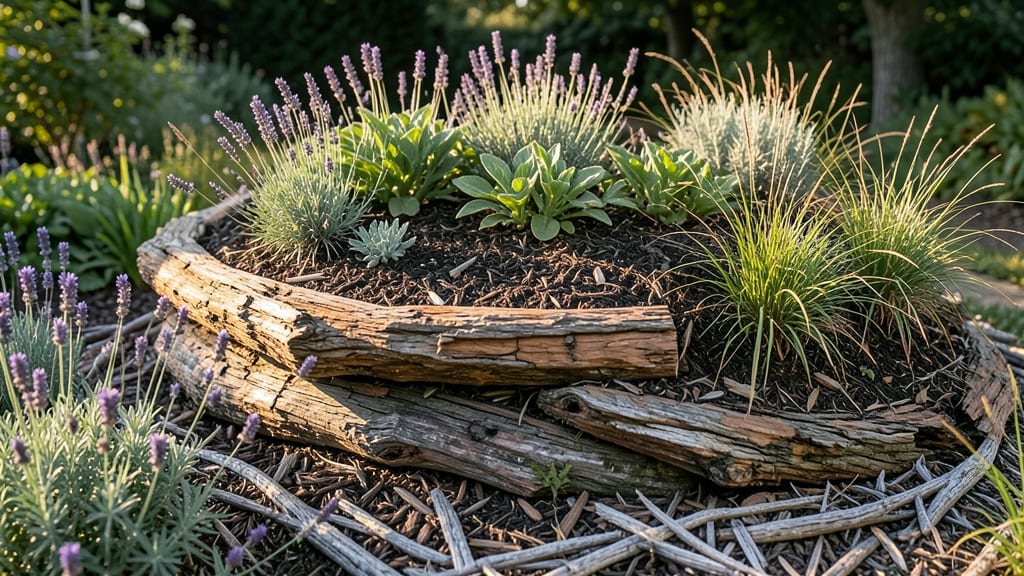
If you’ve ever struggled to keep perennials alive in dry climates, hugelkultur mound beds could be your game-changer. This ancient, low-tech method transforms buried logs into a self-watering, nutrient-rich ecosystem that thrives for years with minimal effort.
Start by layering rot-resistant logs (like oak or fruitwood) in a shallow trench, then cover them with compost, soil, and mulch. The logs slowly decompose, releasing moisture and nutrients over 5-10 years, creating a moisture reservoir perfect for fruit trees, berries, and drought-tolerant perennials like lavender or rosemary. No irrigation systems or expensive amendments needed—just plant and let nature do the work.
This design is ideal for gardeners who want long-term sustainability without the upkeep of traditional beds. Perfect for rural properties, woodland edges, or even urban backyards with space for a low mound. 🌿
Gutter Garden Beds for Herbs
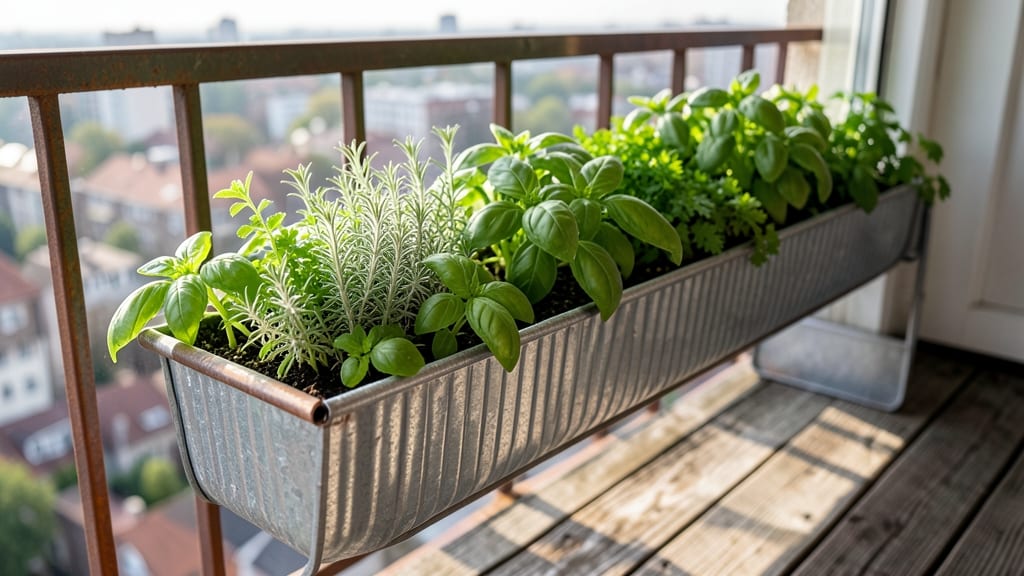
Turn your balcony or windowsill into a fragrant herb haven with gutter garden beds—a clever, space-saving hack that repurposes old gutters into self-watering channels for basil, thyme, and parsley. No digging, no soil prep, just fresh herbs within arm’s reach!
Start by cleaning and cutting gutters to your desired length (12–24 inches works well). Drill drainage holes along the bottom, then line them with landscape fabric to prevent soil loss. Fill with well-draining potting mix and plant herbs close together for maximum flavor. The slight slope of gutters ensures water drains evenly, reducing the need for frequent watering. Mount them horizontally on railings or trellises for easy access.
This DIY solution is perfect for urban gardeners with limited space or renters who can’t modify outdoor areas. Plus, the modular design lets you expand or rearrange your herb garden as needed. 🌱
Straw Bale Garden Beds
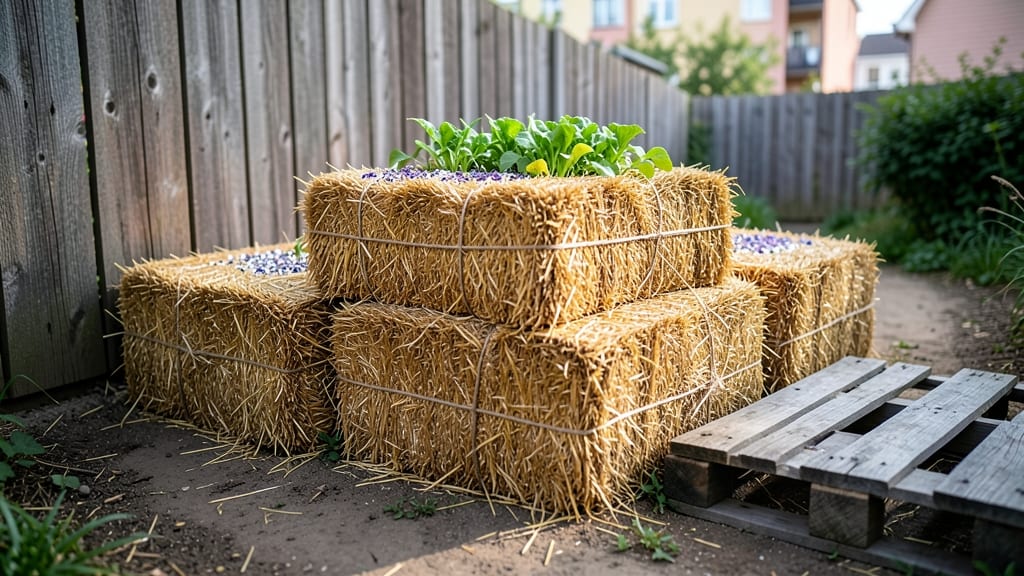
Skip the backbreaking soil prep this spring with straw bale garden beds—a no-dig solution that warms faster than traditional soil, letting you plant lettuce, spinach, and flowers weeks earlier. These portable beds eliminate weeds entirely and can be arranged anywhere, making them perfect for renters or gardeners with limited space.
Start by soaking the bales for 2-3 days, then top with 2-3 inches of compost or potting mix. The bales break down slowly, enriching the soil naturally. Since they’re elevated, you’ll avoid soil-borne diseases and reduce bending. Perfect for cool-season crops or delicate blooms like pansies, these beds also make great temporary plots for testing new varieties.
Gardeners with back issues or busy schedules will love how straw bale beds simplify planting while delivering early harvests. No tools or heavy lifting required—just stack, fill, and plant! 🌱
Tire Planters for Children’s Gardens
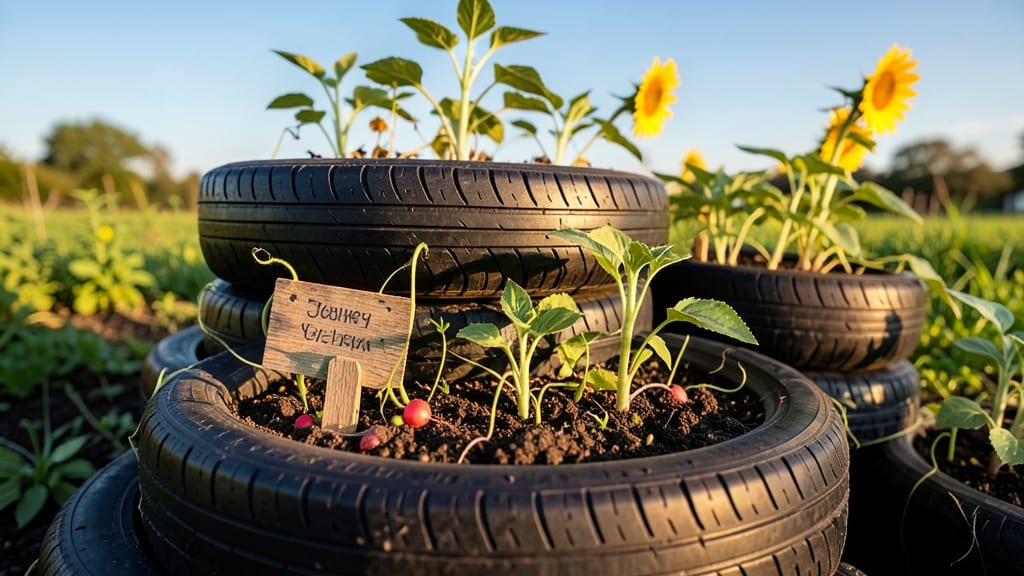
Turn old tires into a playful, educational garden that grows with your kids! These stacked tire planters transform discarded materials into vibrant, customizable beds where children can plant sunflowers, beans, or radishes—fast-growing crops that deliver visible results in weeks.
Start by cleaning and painting tires in bright colors to match your child’s favorite hues. Fill each tier with well-draining soil and add a slow-release fertilizer to give plants a nutrient boost. Kids can decorate the beds with pebbles or mulch, making it a hands-on project. The durable rubber resists weather, and the stacked design creates built-in drainage.
This project is perfect for parents, teachers, or community gardens looking to teach kids about plant life cycles while keeping them engaged. Watch their excitement grow alongside the sunflowers reaching for the sky! 🌻
Keyhole Garden Beds for Water Efficiency
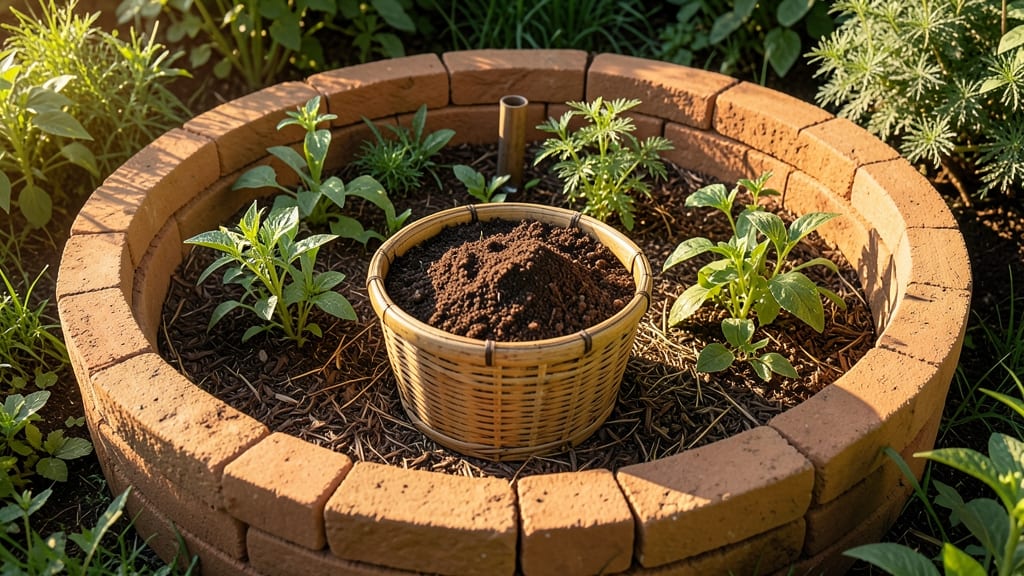
If you're tired of battling dry soil and thirsty plants, a keyhole garden bed might be your solution. This African-inspired design features a central compost basket that feeds your plants while reducing watering needs by up to 50%. The circular shape maximizes space efficiency, making it perfect for small yards or urban plots.
The compost basket—filled with kitchen scraps, leaves, and grass clippings—slowly releases nutrients into the surrounding soil, creating a self-fertilizing system. Plant tomatoes, peppers, or leafy greens around the edge, where moisture lingers longer. Water just the compost basket, and the plants will draw hydration through the soil over time. This method also suppresses weeds naturally.
Ideal for gardeners in dry climates or those who want to cut back on water bills, keyhole beds are especially great for beginners. The compost basket ensures your soil stays rich, while the design’s simplicity means less maintenance than traditional in-ground beds. 🌿
Hanging Fabric Pocket Planters
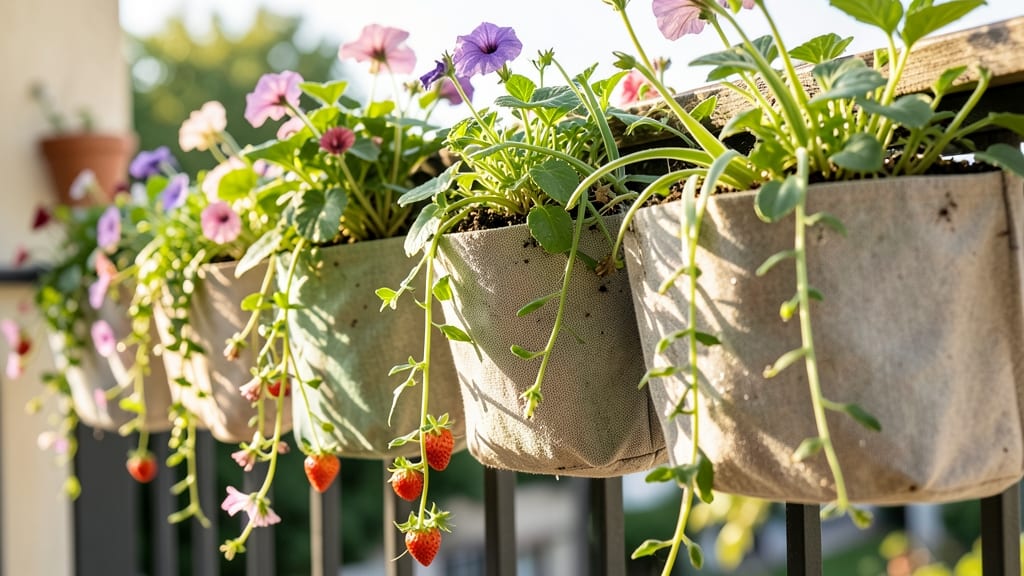
Transform even the tiniest balcony into a lush, productive garden with hanging fabric pocket planters—the ultimate solution for trailing plants that need space to grow but don’t want to take up floor room. These lightweight, breathable pockets hold moisture beautifully while allowing roots to stretch freely, making them perfect for cherry tomatoes, nasturtiums, or strawberries that would otherwise sprawl uncontrollably.
Choose pockets with built-in drainage holes to prevent root rot, and opt for UV-resistant fabric to extend their lifespan in sunny spots. Hang them at varying heights (12–24 inches) for a cascading effect, and rotate them occasionally to ensure even sun exposure. The best part? You can easily move them to follow the sun or protect them from afternoon heat—ideal for renters or anyone without permanent garden space.
These planters are a game-changer for urban gardeners or anyone with limited ground space, offering portability and aesthetic charm without sacrificing productivity. 🌻
Lasagna Garden Beds for Weed-Free Soil
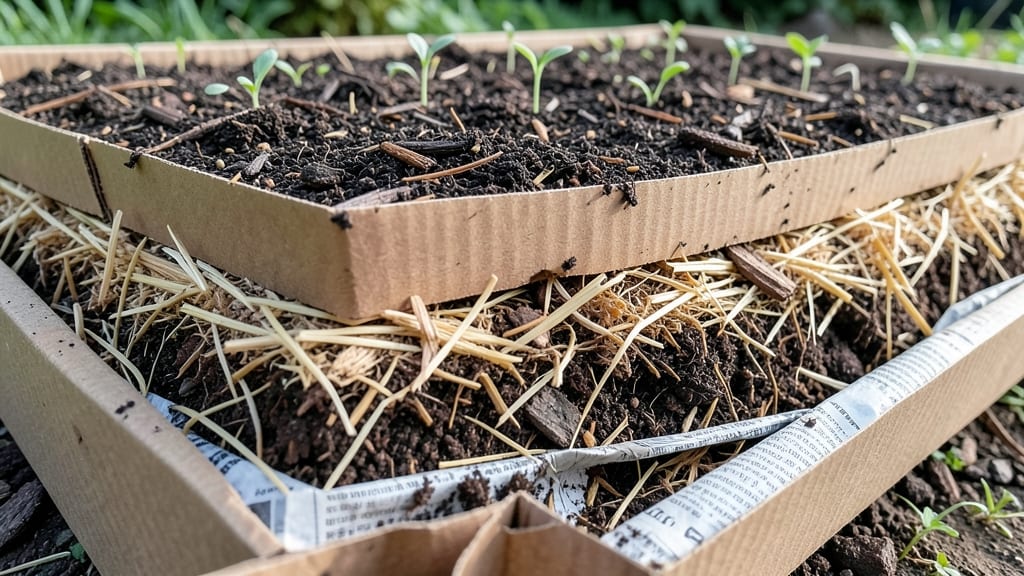
Tired of spending weekends pulling weeds instead of planting? Lasagna garden beds transform bare soil into a nutrient-rich, weed-free paradise in just a few hours—no tilling required. This no-dig method uses layers of cardboard, compost, and mulch to smother weeds while building fertile soil that retains moisture and warms up faster in spring.
Start by laying down wet cardboard (ink-free) to block light and kill existing weeds. Add a thick layer of compost or well-rotted manure, followed by straw or leaves for mulch. Repeat until you reach your desired height, then plant directly into the layers. This method works especially well for leafy greens, flowers, and root vegetables like carrots or beets, which thrive in loose, nutrient-dense soil.
Perfect for beginners, urban gardeners, or anyone with poor soil, lasagna beds require almost no maintenance after setup. The layers break down over time, enriching the soil naturally—so you’ll spend less time weeding and more time enjoying your garden. 🌿
Window Box Herb Gardens

Turn even the smallest outdoor space into a fragrant kitchen garden with window box herb gardens—a timeless way to grow rosemary, parsley, and chives right outside your cooking window. These shallow, decorative planters transform blank walls into lush green displays while keeping herbs within arm’s reach for effortless culinary use.
Choose a box with drainage holes and fill it with a mix of well-draining potting soil and perlite to prevent soggy roots. Plant dwarf varieties like thyme or chives in the front for visibility, while taller herbs like rosemary can spill over the sides. Mount the box securely to avoid wind damage, and place it where it gets at least 4-6 hours of sun daily for robust growth.
Perfect for renters, urban dwellers, and cottage garden lovers, window boxes add charm while ensuring you always have fresh herbs for cooking. The modular design lets you swap out herbs seasonally—try basil in summer or cilantro in fall—for year-round flavor. 🌿