
Orchid Care
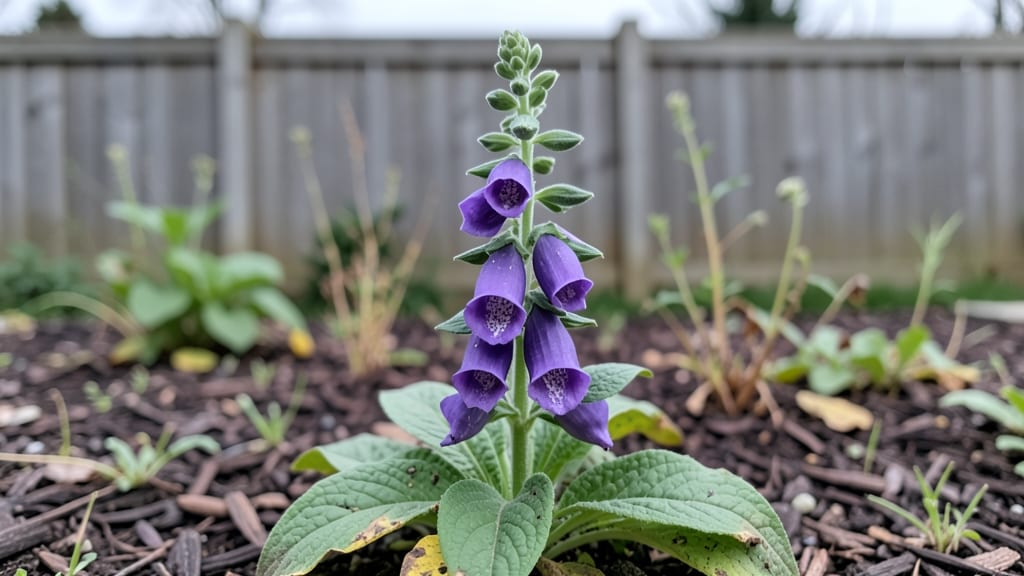
Digitalis is a biennial plant, not strictly perennial or annual, though it often behaves like a short-lived perennial in mild climates with proper care. Its seed-bearing stage typically occurs in the second year before dying back, but some varieties may self-seed prolifically.
Digitalis plants follow a two-year growth cycle where they first establish a rosette of leaves before flowering in their second year. 🌱 This biennial nature means they're not true perennials that regrow yearly, but their hardiness in cooler climates can sometimes mimic perennial behavior.
Many gardeners notice that well-established plants may return for 3-4 years if given consistent care, though their vigor naturally declines over time.
The key difference lies in their reproductive strategy—most digitalis plants prioritize seed production before dying back, though some varieties like Digitalis purpurea (foxglove) may self-sow aggressively to create new plants.
Understanding this growth pattern helps explain why digitalis thrives in certain conditions. For example, in USDA zones 4-8, they often survive winter dormancy to rebloom, while hotter climates may see them complete their cycle faster.
The plant's ability to self-seed means you might find new volunteers popping up in your garden beds year after year, even if the original plants have finished their cycle.
💡 In This Article
- Digitalis Growth Stages: Biennial vs Perennial Behavior
- Tips for Extending Digitalis Lifespan in Gardens
Digitalis growth stages: biennial vs perennial behavior
Here's what actually happens in a digitalis plant's life cycle: It begins as a seedling that spends its first year building a dense rosette of leaves close to the ground. This vegetative stage stores energy in its roots and lower stems, preparing for the reproductive phase.
The key difference from true perennials is that digitalis plants allocate most of their resources to flower production in year two, typically producing 3-5 foot tall spikes covered in bell-shaped blooms before dying back completely.
This two-year pattern is hardwired into its genetics as a survival strategy to maximize seed dispersal.
The flowering stage is where digitalis shows its biennial nature most clearly. During this phase, the plant diverts energy from leaf production to create 100-200 seeds per spike, which can scatter up to 10 feet away.
The trade-off is that after seed production, the parent plant's energy reserves are depleted, and it senesces. This is different from perennials like hostas, which maintain underground rhizomes to regrow each year.
What's fascinating is how digitalis adapts—some varieties develop thicker roots that can survive mild winters, allowing them to produce smaller flowers in subsequent years, which is why they sometimes appear perennial.
Climate plays a huge role in how digitalis behaves. In cooler regions like USDA zones 4-6, the plant often enters winter dormancy after flowering, with its roots surviving below 20°F temperatures. When spring arrives, these roots may produce new shoots, creating the illusion of perennial behavior.
However, this is actually a survival mechanism rather than true perennialism. In warmer zones (7-9), digitalis completes its entire cycle in 12-18 months because the heat accelerates its growth, forcing it to prioritize seed production even faster.
The plant's cold tolerance is remarkable—it can withstand -25°F when established, but young seedlings need protection.
What most gardeners don't realize is how digitalis uses its seed production as a backup system. When you see foxglove plants popping up randomly in your garden, these are likely self-seeded volunteers from previous years' plants.
The seeds remain viable in soil for 3-5 years, which explains why digitalis can appear perennial in gardens where it self-sows prolifically. This seed bank strategy ensures the species' survival even if individual plants don't return annually.
The trade-off is that these volunteer plants may not be as robust as nursery-grown specimens, as they've had to compete with other plants for resources since germination.
There's an interesting exception with some cultivated varieties that have been bred for garden performance. These hybrid digitalis plants sometimes develop thicker root systems that can persist for 3-4 years with proper care, including regular watering and well-draining soil.
The key is maintaining consistent moisture during the first growing season to establish strong roots. Even then, these plants will eventually decline as their energy reserves are depleted, though they may produce smaller flowers in subsequent years.
This is why some gardeners refer to digitalis as "short-lived perennials"—it's a practical classification that reflects how these plants behave in cultivated settings rather than their strict botanical classification.
The plant's growth pattern also explains why digitalis performs best in partial shade. During its first year, the rosette stage benefits from cooler soil temperatures and lower light intensity, which reduces water loss.
In its second year, the flowering spikes need more light to develop strong stems that can support the heavy seed pods. This dual requirement makes digitalis particularly adaptable to woodland gardens or areas with dappled sunlight.
The contrast between its first-year leafy growth and second-year flowering spikes creates one of its most appealing garden characteristics, making it a favorite for cottage-style plantings.