
Orchid Care
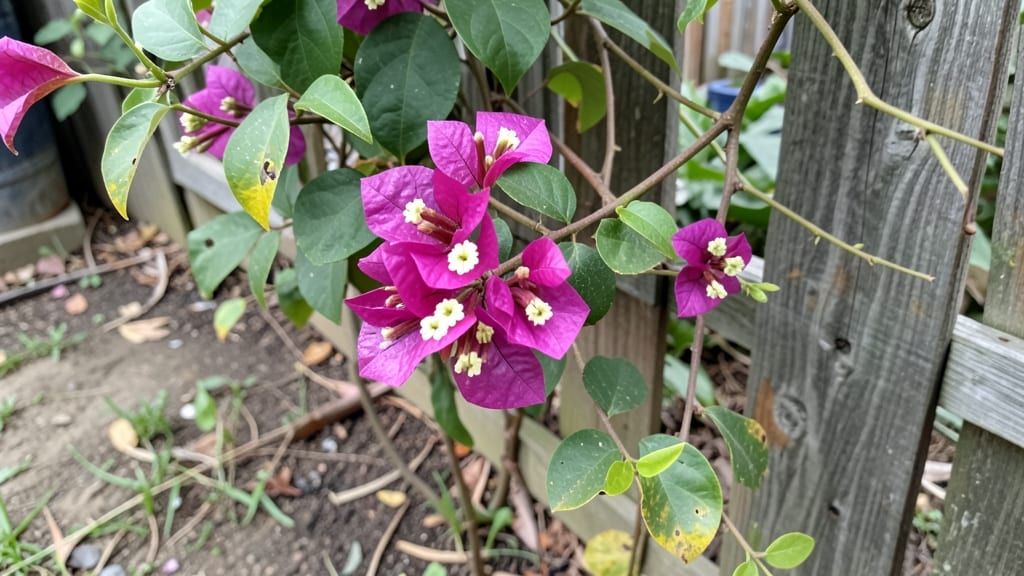
Whether bougainvillea acts as a perennial or annual depends entirely on your climate zone—it thrives as a true perennial in USDA zones 10-11 but dies back to the ground in frost-prone areas, often requiring replanting each spring. Its tropical nature means it needs warm, sunny conditions year-round to maintain its vibrant blooms.
This tropical beauty's lifespan shifts dramatically based on temperature.
In warmer zones, bougainvillea establishes deep roots and returns reliably each year, while in cooler regions, it behaves more like a seasonal plant. 🌿 The key difference lies in frost sensitivity—once temperatures drop below 32°F, the plant's above-ground growth perishes, though the roots may survive in sheltered spots.
Many gardeners in zones 8 and below treat it as an annual, enjoying its summer blooms before replanting in spring.
For those in transitional zones, container gardening offers a practical solution. Moving potted bougainvillea indoors before frost strikes can extend its life significantly, though it requires careful overwintering care.
The plant's ability to regrow from cuttings also makes it highly adaptable—even if the original plant doesn't survive winter, new growth can often be coaxed from healthy stems in spring.
💡 In This Article
- Bougainvillea Growth Habits by Climate Zone
- Year-Round Bougainvillea Care Tips for Cold Climates
Bougainvillea growth habits by climate zone
Bougainvillea originates from South America's tropical highlands, where temperatures rarely drop below 50°F and humidity stays consistently high. This tropical heritage explains why it thrives as a true perennial only in USDA zones 10-11—areas with mild winters and no frost.
In these zones, bougainvillea develops extensive root systems that can survive year-round, with new growth emerging from dormant buds even after winter rains. The plant's natural dormancy cycle in its native habitat involves reduced growth during cooler months rather than complete dieback.
The critical threshold for bougainvillea's survival lies at 32°F, where frost causes cellular damage to its tender stems and leaves. However, the roots often remain viable if protected by mulch or soil insulation.
In zones 9 and below, this frost sensitivity forces bougainvillea to behave like an annual or short-lived perennial.
What most gardeners don't realize is that the plant's root crown (the base where stems emerge) contains meristematic tissue capable of regrowth when temperatures warm again—this explains why some plants return from the ground even after severe winter dieback.
Here's what actually happens in colder climates: when temperatures drop below 40°F for extended periods, bougainvillea's metabolic processes slow dramatically. The plant enters a state of dormancy similar to deciduous trees, but unlike native perennials, it lacks cold-hardy adaptations.
Its leaves yellow and drop, stems become brittle, and growth halts completely. The key difference is that bougainvillea's root systems in colder zones typically don't establish as deeply as in its native habitat, making them more vulnerable to winter moisture fluctuations and freeze-thaw cycles.
In zones 8 and below, bougainvillea's lifespan becomes more predictable as an annual. The plant completes its entire growth cycle in one season, producing vibrant blooms during summer months before dying back completely. What's fascinating is how this behavior mirrors tropical epiphytes that rely on seasonal cues.
The plant's flowering response is triggered by long daylight hours and warm temperatures, which explains why it blooms so prolifically in summer gardens—even when grown as an annual. This seasonal adaptation actually makes bougainvillea more reliable in cooler climates than many tropical plants that fail to bloom at all.
Container-grown bougainvillea offers a middle ground for transitional zones (8-9). When potted plants are moved indoors before 45°F temperatures, they can survive winter with proper care. The secret lies in maintaining consistent moisture and light levels—bougainvillea's roots continue to respire even during dormancy, requiring moderate watering every 2-3 weeks.
This container adaptation demonstrates how bougainvillea's growth habits can be managed through human intervention, blurring the line between perennial and annual behavior.
The science behind bougainvillea's frost sensitivity involves its cell membrane composition. Tropical plants like bougainvillea have higher proportions of unsaturated fatty acids in their cell membranes, which remain fluid at warm temperatures but become rigid when exposed to cold.
This rigidity disrupts cellular functions, particularly in the meristematic regions responsible for new growth. 🌟 What's remarkable is how quickly bougainvillea can recover from this damage when spring temperatures return—new shoots often emerge within 2-3 weeks of consistent warmth above 60°F.
For gardeners in marginal zones, understanding these growth patterns allows for strategic planning. The plant's ability to regenerate from cuttings means even if the original specimen doesn't survive winter, new plants can be propagated from healthy stems collected before frost.
This propagation technique actually makes bougainvillea more resilient in cooler climates than many native perennials that struggle with seasonal dieback.