
Orchid Care
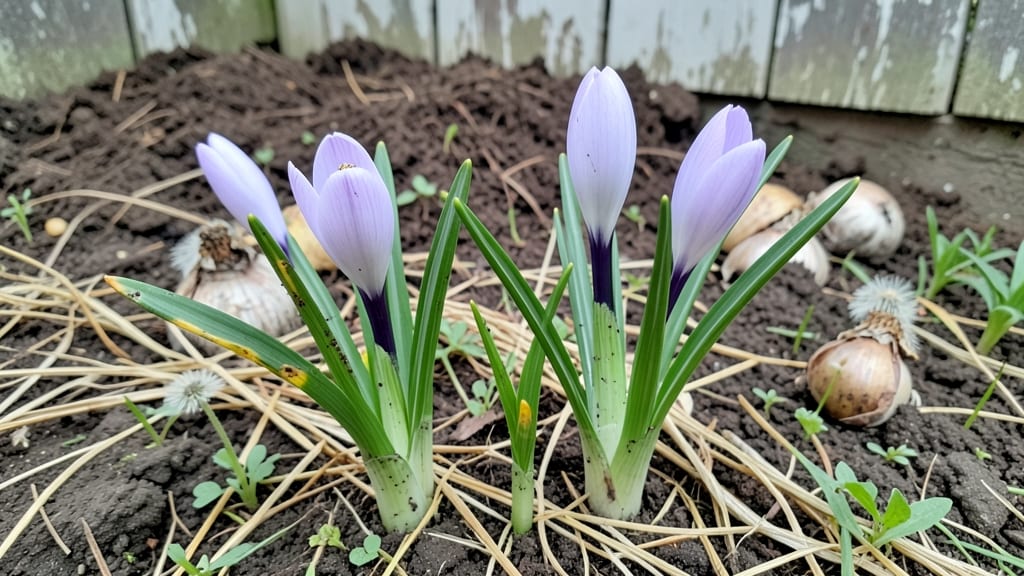
Most crocus varieties are hardy perennials because their bulbs store energy underground like tiny batteries, ready to burst back to life when temperatures rise. 🌱 The key difference comes with summer-blooming types—they often act as annuals in colder zones since their growth cycle doesn't sync with local winters.
What's fascinating is how these bulbs can lie dormant for months, only to produce vibrant blooms within weeks of favorable conditions.
For gardeners in marginal climates, the secret to extending crocus lifespan lies in proper planting depth and soil drainage. Bulbs need well-draining soil to prevent rot, and mulching in winter can protect them from extreme cold.
I've found that even "annual" varieties sometimes surprise me by returning the following year if they get enough protection during their dormant phase.
💡 In This Article
- How Crocus Bulbs Survive Year-Round
- Choosing Crocus Varieties for Your Climate
How crocus bulbs survive year-round
Crocus bulbs are nature's masterpiece of survival, storing nutrients in specialized underground structures called corms—not true bulbs like tulips, but dense, layered storage organs. These corms act like biological batteries, packed with starches and sugars that fuel regrowth after dormancy.
During their active growing season, crocus plants convert sunlight into energy through photosynthesis, storing up to 60% of their annual energy reserves in these corms by late summer.
This stored energy allows them to push through frozen soil in early spring, often when temperatures are just 40-50°F, long before other perennials emerge.
The secret to their perennial success lies in their dormancy cycle, triggered by decreasing daylight and cooler temperatures. As days shorten in late summer, the plant's growth hormones shift from promoting blooms to conserving energy.
The corm develops a protective outer layer that slows water loss and prevents rot, while internal cells enter a state of suspended animation.
This adaptation is similar to how deciduous trees store nutrients in roots during winter—except crocus bulbs do it underground, where they're shielded from freezing winds and harsh weather. 🌱 Some varieties even produce secondary corms that act as insurance policies, ensuring at least one survives even if the primary bulb fails.
Above-ground, crocus plants grow with remarkable efficiency. Their leaves are thin and waxy, designed to minimize water loss while maximizing sunlight capture. The entire growth cycle from bloom to dormancy takes just 8-12 weeks, allowing them to complete their life cycle before summer heat arrives.
What's fascinating is how they prioritize reproduction: flowers appear first, often before leaves fully unfurl, because crocus plants rely on early pollinators like bees that aren't yet busy with other spring blooms. This strategy ensures cross-pollination before the plant's energy reserves are fully depleted.
Temperature plays a crucial role in breaking dormancy. Most crocus varieties require a period of cold exposure—typically 4-8 weeks below 40°F—to trigger flowering. This chilling requirement prevents premature blooming and ensures synchronization with local climates.
In warmer regions where winters are mild, some summer-blooming crocus varieties skip this cold period entirely, behaving more like annuals because their natural growth cycle doesn't align with local seasonal patterns.
The bulbs themselves can live for 5-10 years if conditions are ideal, though they may produce fewer flowers as they age.
Soil conditions are equally important. Crocus bulbs thrive in well-draining soil with a pH between 6.0-7.5, as waterlogged conditions cause them to rot. Their shallow root systems mean they're particularly sensitive to heavy clay soils.
In nature, you'll often find them growing in rocky, gravelly areas where water drains quickly.
This adaptation explains why they're one of the first flowers to appear in disturbed soils after wildfires or construction—their bulbs can survive being buried under a thin layer of soil while waiting for better conditions. 💫
The underground vs. above-ground balance is what makes crocus plants such resilient perennials. While their tops die back completely in summer, the corms remain active, slowly building reserves through a process called autotrophy—using minimal sunlight to maintain basic cellular functions.
This means they're not truly dormant in the same way as true winter sleepers; instead, they're in a low-energy maintenance mode, ready to spring back to life at the first sign of favorable conditions.
For gardeners, understanding this cycle explains why crocus plants often return year after year even in less-than-ideal conditions. With proper care—planting at the right depth (3-4 inches below soil), ensuring good drainage, and providing winter mulch—they can outlive most other spring bulbs.
The key is mimicking their natural environment by replicating that balance between underground storage and above-ground efficiency in your own garden. 🌿