
Orchid Care
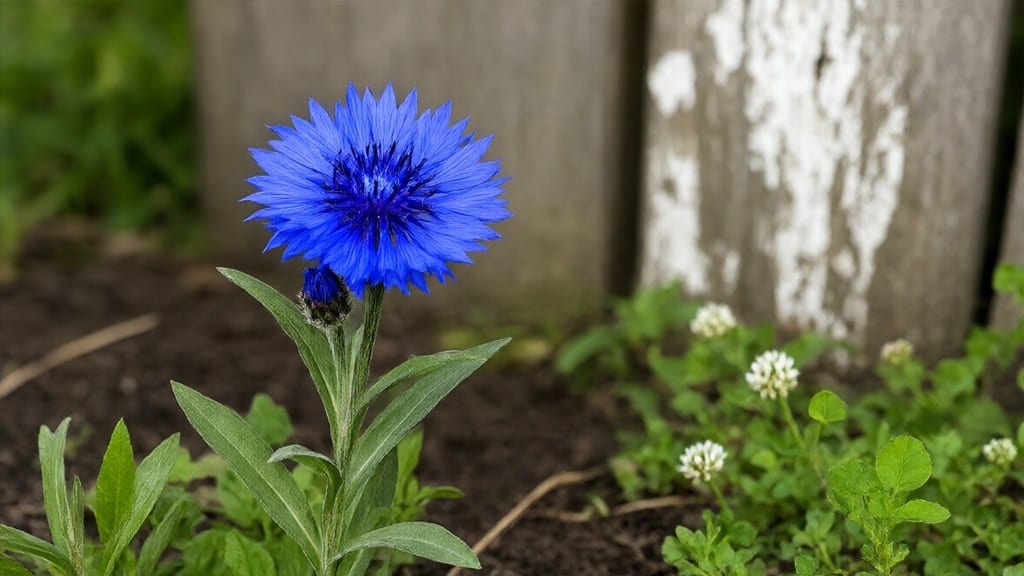
Cornflowers thrive as one-season wonders, putting all their energy into vibrant blooms before dying back naturally.
Unlike perennials that regrow from roots, these plants focus on rapid growth and seed production—some varieties like 'Black Prince' even drop seeds that sprout on their own the next year if conditions are right. 🌱 This makes them perfect for quick color bursts in gardens, though they won’t return without human intervention (unless you’re okay with nature taking over!).
Their annual nature actually works in your favor—you get maximum blooms in a single season with minimal upkeep. Just remember: deadheading spent flowers encourages more blooms, and well-drained soil prevents leggy growth.
For those who want perennial-like behavior, let a few plants self-seed naturally to create a low-maintenance cornflower colony over time.
💡 In This Article
- How Cornflower Growth Cycles Differ from Perennials
- Tips for Extending Cornflower Bloom Time
How cornflower growth cycles differ from perennials
Cornflowers follow a one-season growth pattern that contrasts sharply with perennials. Their shallow root systems develop rapidly to absorb nutrients and water during their brief lifespan, typically growing 12-24 inches tall in just 60-90 days from seed.
This aggressive early growth is their survival strategy—annuals must complete their entire life cycle before winter arrives, unlike perennials that invest energy in deep root systems for long-term storage. 🌱
The key difference lies in their flowering strategy: cornflowers produce thousands of tiny seeds in a single season, often within 30-45 days of planting. This prolific seed production is their way of ensuring genetic survival, while perennials focus on preserving their root crowns through dormancy.
In colder climates, cornflowers die back completely after flowering, leaving no living tissue to regenerate—this is why they won't return naturally unless their seeds germinate the following spring.
Climate plays a crucial role in their growth habits. In USDA zones 3-9, where cornflowers thrive, their annual cycle aligns perfectly with the growing season. The plants prioritize flowering over foliage growth, which is why you'll see their bright blue blooms appear so quickly after germination.
This rapid development contrasts with perennials like delphiniums, which take 2-3 years to establish strong root systems before producing their first significant flowers.
What most gardeners don't realize is how cornflowers adapt their growth patterns based on environmental cues.
In hotter climates (zones 8-9), they may complete their cycle even faster, sometimes in as little as 45 days, while in cooler regions (zones 3-4), they might take up to 120 days to mature.
This flexibility explains why they're found naturally across Europe and North America—from Mediterranean regions to Canadian prairies.
Their shallow root systems (typically 6-12 inches deep) make them vulnerable to drought, which is why consistent moisture is crucial during their growth phase. Unlike perennial roots that store water and nutrients for years, cornflower roots focus solely on supporting the current season's growth and seed production.
This biological trade-off is what makes them such reliable annuals—they don't waste energy maintaining structures that won't be used.
Interestingly, some cornflower varieties like 'Blue Star' exhibit semi-perennial behavior in mild climates. These plants may survive winter in zones 6-9 if protected by mulch, though they rarely produce significant blooms in their second year.
This hybrid growth pattern shows how annuals can blur the lines with perennials when given the right conditions—though true perennial cornflowers remain extremely rare in cultivation.
Understanding these growth differences helps explain why cornflowers are so popular in cottage gardens and wildflower meadows. Their annual nature means you get vibrant color every year without the long-term commitment of perennials, while their self-seeding ability creates natural succession planting that requires minimal effort from gardeners. 💫