
Flowers
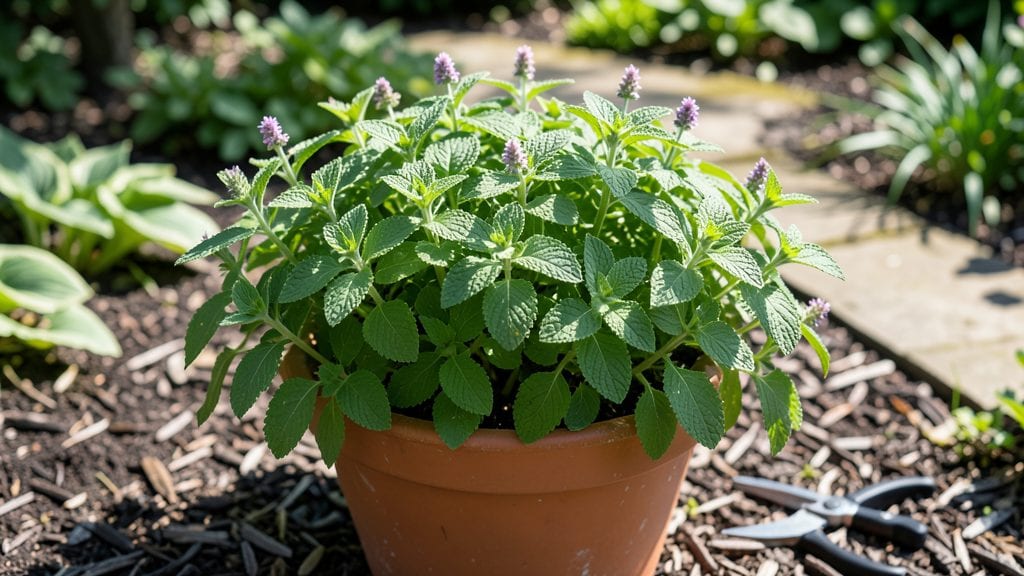
This cat mint perennial 🌿 is the unsung hero of shade gardens—its silvery foliage and catnip-like fragrance spread like wildfire with almost no effort from you.
If you love fragrant, low-maintenance plants that thrive in shady spots, cat mint is your perfect match. It’s the kind of plant that rewards you with lush growth and a garden that cats can’t resist—without demanding constant attention.
Native to USDA Zone 6a and beyond, it’s tough enough to handle spring’s last frost while still blooming from June through September. Plant it in March or April, give it well-draining soil, and let it do the rest.
Below, I’ll walk you through everything from planting to pruning, plus how to use it for pest control and even culinary tricks—so you can turn this hardy herb into a garden workhorse.
Why cat mint perennial thrives in shade gardens (and how to grow it)
Cat mint perennial (Nepeta cataria) is one of nature's most adaptable plants, thriving in shade gardens where many herbs struggle. Unlike sun-loving perennials, this hardy mint tolerates partial shade while still producing its signature silvery foliage and catnip-like fragrance.
Its deep roots access moisture and nutrients efficiently, making it ideal for woodland gardens, north-facing beds, or areas under trees where sunlight is limited.
What sets cat mint apart is its versatility—it handles dappled shade, deep shade, and even bright shade (like morning sun with afternoon shade) better than most herbs. This makes it perfect for urban gardens, container growing, or understory plantings.
Plus, its drought tolerance once established means you won’t need to babysit it like fussy annuals.
🌿
| Category | Specification | Notes |
|---|---|---|
| Sunlight Needs | Partial to full shade | Tolerates 3–6 hours of direct sun; thrives in dappled shade |
| Soil Type | Well-draining, average to poor | Adapts to clay, sandy, or rocky soils; avoid waterlogged areas |
| Water Requirements | Moderate (drought-tolerant once established) | Water deeply once weekly; reduce in winter |
| Mature Size | 18–36 inches tall, 18–24 inches wide | Spreads aggressively; prune to control in spring |
| Hardiness Zones | USDA Zones 3–9 | Perennial in most climates; cut back in fall for tidy growth |
| Best Varieties for Shade | 'Walker’s Low', 'Six Hills Giant' | 'Walker’s Low' is disease-resistant; 'Six Hills Giant' has lush foliage |
To grow cat mint in shade, start by selecting a moist but well-draining spot. This plant despises soggy roots, so amend heavy clay with compost or sand if needed. While it tolerates shade, 3–6 hours of morning sun will encourage the most vigorous growth and prolonged blooming.
Plant in spring after the last frost (or in fall in mild climates) for the best establishment.
Once planted, cat mint is low-maintenance. Mulch around the base with wood chips or straw to retain moisture and suppress weeds. Avoid over-fertilizing—this hardy perennial thrives in average soil and may even struggle with too much nitrogen, which can reduce flowering.
Instead, focus on pruning spent blooms to encourage more catnip-scented foliage and longer bloom times.
🌱
One of the biggest misconceptions about cat mint is that it only grows in full sun. While it does bloom more abundantly with more sunlight, its silvery leaves and fragrant stems shine even in deep shade.
In fact, in hot climates, partial shade helps prevent wilting and leaf scorch. If you’re growing cat mint in containers, choose a large pot (12+ inches deep) with drainage holes and use a light, airy potting mix to mimic its natural well-draining needs.
For maximum shade tolerance, pair cat mint with other low-light lovers like heuchera (coral bells), hostas, or astilbe. These companions create a layered garden that thrives in dappled shade while keeping your space fragrant and dynamic.
Just be cautious—cat mint can spread aggressively, so contain it with edging or regular pruning if you don’t want it to take over.
🪴
If your cat mint starts to look leggy or lose its scent, it’s often a sign of too much shade or poor airflow. In this case, trim back overgrown stems in early spring to encourage denser growth.
You can also divide clumps every 3–4 years to rejuvenate the plant and share with fellow gardeners. Just remember—cat mint is a perennial, so it’ll come back year after year with minimal effort on your part.
For best results, harvest leaves sparingly in early summer when the fragrance is strongest. Avoid cutting more than one-third of the plant at once, or you’ll risk stunting its growth.
Dried cat mint leaves make a fantastic cat toy or natural pest repellent, but always supervise pets around fresh plants to prevent overconsumption.
✂️
5 Key benefits of planting cat mint perennial in your garden
If you’re looking for a fragrant perennial that spreads effortlessly while requiring minimal effort, cat mint delivers on all fronts. This hardy plant isn’t just catnip for your feline friends—it’s a multi-functional addition to any garden, from pest control to drought resistance.
Let’s explore why it’s a game-changer for both low-maintenance and high-reward gardening.
One of the biggest draws of cat mint perennial is its natural pest-repellent properties. The strong minty scent deters common garden pests like aphids, ants, and even rabbits, reducing the need for chemical interventions.
Plus, its silvery foliage adds a striking visual contrast to your garden beds, making it as beautiful as it is functional.
Here’s why cat mint should be on your planting list:
-
1. Natural Pest Deterrent
Repels aphids, ants, and fleas with its strong fragrance, reducing the need for pesticides. -
2. Fragrant & Aesthetic Appeal
Silvery foliage and lavender-blue flowers add texture and color to shade gardens. -
3. Drought-Tolerant Once Established
Thrives with minimal watering after the first year, making it perfect for dry climates. -
4. Pollinator Magnet
Attracts bees and butterflies with its nectar-rich blooms, boosting your garden’s biodiversity. -
5. Low-Maintenance Spread
Forms dense ground cover with almost no effort, ideal for filling gaps in borders or slopes.
Beyond its practical benefits, cat mint is a pollinator powerhouse. The lavender-blue flowers bloom from early summer through fall, providing a continuous food source for bees and butterflies. This makes it a standout choice for eco-friendly gardens, especially in areas where native pollinators thrive.
Another standout feature is its drought resistance. Once established, cat mint requires very little water, making it perfect for water-wise gardens or regions with limited rainfall. Its deep root system helps it access moisture efficiently, reducing the need for frequent irrigation.
Finally, cat mint’s low-maintenance nature means you spend less time fussing over it and more time enjoying your garden. It spreads quickly but isn’t invasive if pruned back once or twice a year. This makes it ideal for busy gardeners who want beauty and function without the hassle.
Ready to transform your garden into a fragrant, pest-free paradise? Cat mint perennial is the effortless solution you’ve been searching for. 🌿