
Plants
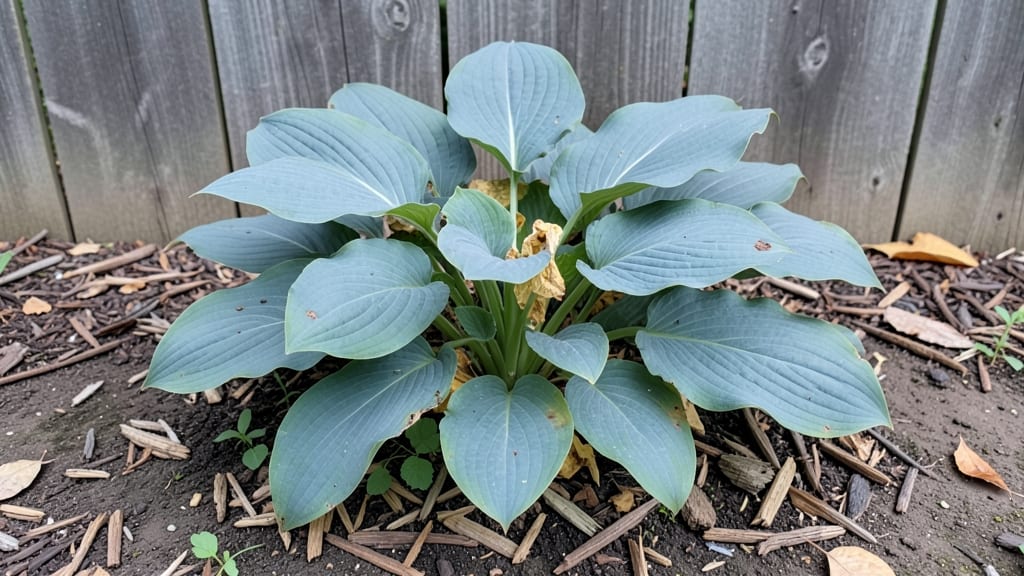
Perennials can grow through mulch, but proper thickness is key: 2-4 inches protects roots while allowing air and water to reach soil. Too-thick mulch suffocates plants and attracts pests. Use organic mulch like wood chips or straw for best results.
Mulch isn't just a decorative layer—it's a functional shield for perennial roots, regulating temperature and moisture while keeping weeds at bay. 🌱 The key lies in balance: too little leaves roots exposed to temperature swings, while too much creates an anaerobic zone that smothers growth.
I've seen perennials thrive with proper mulching, but overzealous gardeners often create more problems than they solve by piling it too high.
Organic mulches like wood chips or straw break down over time, enriching the soil as they decompose, which is why they're my go-to choice. In colder climates, I add an extra inch in winter to insulate roots, but always pull it back slightly in spring to prevent rot.
The goal is to mimic nature—just enough coverage to protect without suffocating.
💡 In This Article
- How Mulch Thickness Affects Perennial Root Health
- Best Mulching Practices for Perennial Gardens
How mulch thickness affects perennial root health
Here's what's actually happening beneath that mulch layer: perennial roots need oxygen to respire and grow, but thick mulch creates an oxygen-deprived zone. When mulch exceeds 4 inches, it blocks air pockets in the soil, forcing roots to struggle for oxygen—a condition called anaerobic stress.
This triggers ethylene gas buildup, which stunts growth and can even kill roots over time. The ideal 2-4 inch range maintains a balance where soil microbes stay active while protecting roots from temperature extremes.
Moisture retention plays a critical role too. Organic mulches like shredded bark hold 30-50% more moisture than bare soil, but only when applied correctly.
A 3-inch layer of wood chips maintains soil moisture at 60-70% capacity—perfect for most perennials—while 6+ inches creates a waterlogged layer that suffocates roots and invites fungal diseases.
In my Zone 6 garden, I've seen hostas thrive with 3 inches of mulch but rot when buried under 5 inches during wet springs.
The science gets even more interesting when you consider seasonal adjustments. In winter, mulch acts as insulation—4-6 inches can protect roots from freezing in Zone 4-5 climates, but in Zone 7+, you might only need 2 inches since winters are milder.
The key is monitoring soil temperature: roots need to stay above 32°F to avoid damage. Too-thick mulch in warm climates can actually overheat roots, creating the opposite problem of winter protection.
Root suffocation isn't just about thickness—it's about mulch type too. Organic materials like straw or leaf mold break down and aerate soil naturally, while inorganic mulches (like plastic) create a permanent barrier. Even with proper thickness, volcano mulching (piling mulch high around stems) can trap moisture against bark, causing rot.
I've had to rescue peonies with 5-inch stems buried under 8 inches of mulch—always keep mulch 2 inches away from plant crowns.
What most people don't realize is how mulch affects soil microbes—the tiny workers that break down organic matter and feed roots. A 3-inch layer of mulch supports 10-20% more microbial activity than bare soil, but 6+ inches creates an anaerobic environment where harmful bacteria thrive.
These microbes produce toxins that weaken roots, making plants more susceptible to disease. The sweet spot is where decomposition happens gradually, feeding soil without smothering it.
Consider these key factors when adjusting mulch depth by season:
- Spring: Reduce to 2-3 inches to prevent rot and allow soil to warm
- Summer: Maintain 3-4 inches to retain moisture in dry climates
- Fall: Add 4-6 inches for winter protection in cold zones
- Winter: Check depth—too much can cause overheating in mild winters
The best mulch thickness depends on your climate and plant types. For drought-resistant perennials like lavender, 2 inches may suffice, while moisture-loving hostas need 3-4 inches. Always monitor your plants—wilting or yellowing leaves are signs of suffocation, while mold or pests indicate over-mulching.
The goal is to create a microclimate that protects without restricting! 🌿