
Container Gardens
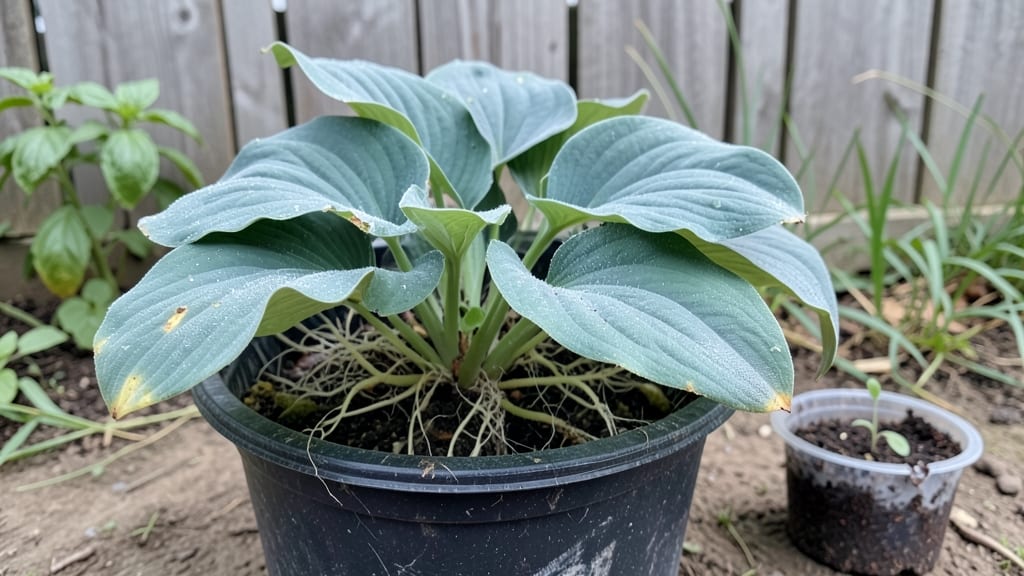
Container gardening opens up endless possibilities for growing perennials, even in small spaces. 🌱 The key lies in choosing plants with shallow root systems that won't outgrow their pots—think of drought-tolerant sedum or ornamental grasses.
I've found that terracotta pots work beautifully for Mediterranean varieties, while deeper containers suit hostas or ferns. Don't forget to refresh the soil every couple of years, as nutrients deplete faster in confined spaces than in garden beds.
What really makes container perennials shine is their adaptability. You can move them to optimize sunlight exposure or protect them from harsh winters, which extends their lifespan dramatically.
For example, I overwinter my lavender pots in a sheltered garage and bring them back outside in spring—this simple adjustment keeps them blooming for decades. The trade-off is more frequent watering, but the flexibility more than makes up for it.
💡 In This Article
- Best Perennial Varieties for Container Gardening
- Container Gardening Tips for Long-Term Perennial Success
Best perennial varieties for container gardening
When selecting perennials for containers, focus on varieties with naturally compact growth habits and fibrous root systems that thrive in confined spaces.
The top 10 container perennials fall into three key categories based on sunlight needs: full sun lovers like sedum (which tolerates 6+ hours of direct sunlight daily), part sun varieties such as heuchera (preferring 3-6 hours of morning sun), and shade dwellers like hostas (thriving in less than 3 hours of direct light).
These distinctions matter because root development varies—sedum's shallow, fibrous roots spread horizontally, perfect for wide, shallow pots, while hostas develop deeper, more vertical roots requiring 12-inch-deep containers. 🌿
Drought-tolerant species like lavender and Russian sage are ideal for containers because their roots naturally adapt to dry conditions, reducing watering demands. Lavender's woody stems and aromatic foliage create a fragrant hedge in 10-12 inch pots, while Russian sage's silvery-blue spikes reach 3 feet tall in 15-gallon containers.
Conversely, moisture-loving perennials like astilbe or coral bells need well-draining mixes with 30% organic matter and frequent watering—these plants exhibit lush, velvety foliage that wilts dramatically when roots dry out. The key factor is matching the plant's native moisture conditions to your container's drainage capacity.
Slow-spreading types prevent overcrowding, a common container gardening pitfall. Creeping thyme spreads only 6 inches per year in 6-inch pots, making it perfect for edging, while ajuga forms dense mats without invasive roots. These plants rely on thick, fibrous root systems that absorb nutrients efficiently from limited soil volumes.
In contrast, aggressive spreaders like mint or crown vetch should be avoided—their rhizomatous roots can crack containers within 2-3 years. For year-round interest, combine spring bloomers (pulmonaria), summer performers (coneflowers), and fall foliage (Japanese anemone) in layered containers to create continuous color.
Root structure adaptations are critical for container success. Most perennials develop fibrous root systems that spread outward rather than downward, making them ideal for pots. For example, black-eyed Susan has a 3-foot-wide root zone but only 1-foot depth needs, fitting perfectly in 15-inch-wide containers.
The science here involves root oxygenation—confined roots need 20-30% more air space than garden beds, which is why perlite or vermiculite (20-30% of mix) prevents compaction. Overcrowded roots lead to anaerobic conditions, causing rot within 4-6 weeks—this is why thinning roots every 2 years extends container life.
Seasonal blooming patterns create visual interest year-round. Winter aconite blooms in late winter with bright yellow flowers, while crocus emerges in early spring. Summer highlights include shasta daisies (June-August) and bee balm (July-September), with fall asters taking over in September-October.
The trick is layering plants by height—tall Russian sage (4 feet) at back, medium catmint (2 feet) in center, and low thyme (6 inches) at front. This vertical arrangement maximizes space in 18-inch-deep containers, creating a 3-dimensional garden that thrives for years with minimal maintenance.
For hardiness, prioritize USDA Zones 4-9 varieties that tolerate container temperature swings. Lavender (Zone 5-9) handles 10°F winters when moved to sheltered spots, while hostas (Zone 3-8) need mulch blankets in Zone 4 to survive -20°F.
The key is understanding each plant's chilling requirement—some perennials need 600-800 hours below 40°F annually to rebloom, which containers may not provide without winter adjustments. 🌡️