
Flowers
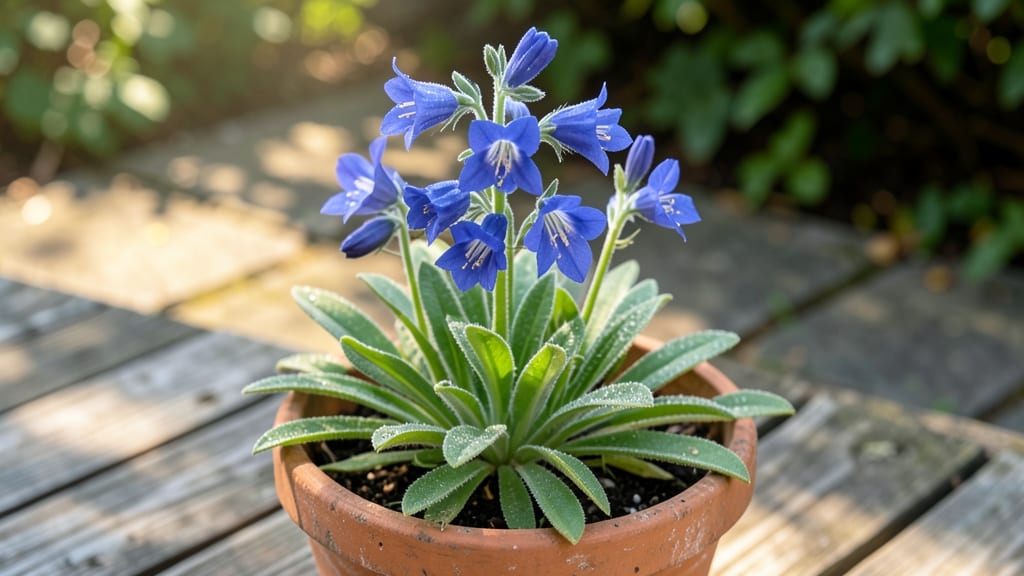
Growing a campanula perennial plant 🌸 is easier than you think—and it rewards you with months of effortless blooms in shades of blue, purple, and white.
Imagine a garden that bursts with delicate blue, purple, and white blooms year after year with almost no effort—campanula perennials make this dream a reality. These hardy plants thrive in tough conditions, repel pests, and attract pollinators, yet many gardeners struggle to keep them blooming consistently.
Here’s the secret: campanula loves partial shade and well-draining soil, and it barely needs water once established. With the right care, you’ll get longer blooms and healthier plants—no fuss required.
In this guide, I’ll walk you through planting tips, seasonal care, and the best varieties for your garden, so you can enjoy year-round color without the guesswork.

Optimal growing conditions for campanula perennials to ensure long-lasting blooms
Campanula perennials reward gardeners with stunning blue, purple, and white blooms for years with minimal fuss—but only if you meet their core growing needs. These hardy plants thrive in USDA zones 3-9, making them versatile for nearly any climate.
The key to long-lasting blooms lies in replicating their natural habitat: well-draining soil, partial shade to full sun, and consistent moisture without soggy roots.
Many gardeners accidentally stifle campanula growth by overwatering or planting them in compacted clay soil, which leads to root rot. The secret? Mimic their woodland edge origins by combining loamy soil with organic matter and ensuring proper drainage.
Let’s break down the science-backed conditions your campanula needs to flourish season after season.
| Condition | Ideal Specification | Notes |
|---|---|---|
| Soil Type | Well-draining loam (sandy loam to clay loam) | Avoid heavy clay; amend with compost or perlite |
| pH Level | 6.0–7.0 (neutral to slightly acidic) | Test soil; lime to raise pH if below 6.0 |
| Sunlight | Partial shade (4–6 hours direct sun) | Morning sun + afternoon shade prevents leaf scorch |
| Water Needs | 1 inch per week (deep soak) | Let top 1–2 inches dry between waterings |
| Climate Zones | USDA 3–9 (hardy to -30°F) | Mulch in winter for cold protection |
| Spacing | 12–18 inches apart | Prevents overcrowding and fungal spread |
Your soil composition is the foundation of campanula success. These perennials despise waterlogged conditions, so if your garden has heavy clay, mix in coarse sand or compost to improve drainage.
A pH between 6.0 and 7.0 is ideal—test your soil with a kit and amend with lime if it’s too acidic or sulfur if overly alkaline. Organic matter like compost or aged manure boosts fertility without overwhelming the plant.
When it comes to sunlight, campanula strikes a balance between full sun and shade. While they tolerate morning sun, afternoon shade prevents leaf burn in hot climates.
In cooler regions (zones 3–5), they can handle full sun, but partial shade (4–6 hours daily) extends bloom duration by reducing stress. Observe your plants: drooping leaves signal too much sun, while leggy growth means insufficient light.
Watering campanula is simpler than most gardeners think. These drought-tolerant perennials prefer deep, infrequent watering over shallow daily doses.
Aim for 1 inch of water per week, delivered in the early morning to minimize evaporation and fungal risks. Overhead watering can cause powdery mildew, so use a soaker hose or drip irrigation at the base. Once established, campanula roots dive deep, making them resilient to dry spells.
Climate plays a surprising role in campanula’s bloom duration. In warmer zones (7–9), they often bloom spring to early summer, while cooler zones (3–5) may see prolonged fall blooms. To extend their season, deadhead spent flowers regularly—this redirects energy from seed production to new blooms.
In hot summers, provide light afternoon shade to prevent wilting. Mulch with 2–3 inches of organic mulch (like shredded bark) to retain moisture and regulate soil temperature.
One common mistake I see is over-fertilizing campanula. These plants are light feeders—too much nitrogen leads to leafy growth at the expense of blooms.
Instead, feed them once in early spring with a balanced 10-10-10 fertilizer and once in early fall to support root development. Slow-release granules are ideal; avoid liquid fertilizers, which can burn roots. For container-grown campanula, use half-strength fertilizer every 6–8 weeks during the growing season.
For long-lasting blooms, pay attention to seasonal adjustments. In spring, focus on watering deeply as roots reawaken.
By mid-summer, reduce watering slightly to encourage dormancy if needed. Fall is critical: fertilize lightly, mulch heavily, and protect from early frosts with burlap wraps if temperatures drop below 20°F. With these conditions met, your campanula will reward you with years of effortless color—no fuss required.
Pro tip: Pair campanula with complementary perennials like salvia or heuchera to create a low-maintenance border. Their vertical growth habit
Step-by-step pruning and maintenance guide for campanula perennials
Keeping your campanula perennials blooming year after year requires just a few simple maintenance steps. Unlike annuals, these hardy plants reward consistent care with longer bloom seasons and healthier foliage.
The key is understanding when to prune, how to deadhead, and how to prep for winter—all while avoiding common mistakes that can stifle growth.
Many gardeners make the mistake of pruning at the wrong time or skipping deadheading entirely, which leads to leggy growth and fewer flowers. With the right techniques, your campanula will thrive in USDA zones 3-8, producing stunning blooms from early summer to fall.
Let’s dive into the essential steps to keep your plants looking their best.
How to Prune and Maintain Campanula Perennials
-
Step 1: Deadhead Regularly
Remove spent blooms by pinching off the flower stems just above the first set of leaves. This encourages new flower production and prevents seed formation, which can weaken the plant.
-
Step 2: Prune After First Bloom
Once the first flush of blooms fades, trim back 1/3 of the plant’s height to promote compact growth and a second round of flowers. Use clean, sharp pruning shears to avoid damaging stems.
-
Step 3: Thin Out Crowded Stems
In early spring or after blooming, remove any weak or crossing stems to improve air circulation. This reduces the risk of fungal diseases and helps the plant focus energy on stronger growth.
-
Step 4: Cut Back in Late Fall
After the first hard frost, trim back all foliage to about 2 inches above the ground. This prepares the plant for winter dormancy and prevents rot or pests from lingering in dead leaves.
-
Step 5: Mulch for Winter Protection
Apply a 2-3 inch layer of mulch around the base of the plant in late fall. This insulates the roots from freezing temperatures and retains moisture during dry spells in early spring.
One of the most common mistakes gardeners make is over-pruning in late summer or fall, which can stunt new growth before winter. Always wait until the plant has finished blooming or until early spring to prune aggressively.
Additionally, avoid using dull shears, as they can tear stems and invite disease.
For container-grown campanula, follow the same pruning steps but adjust the timing slightly. Since pots dry out faster, you may need to prune more frequently to encourage bushier growth. Always water thoroughly after pruning to help the plant recover and reduce stress.
With these simple steps, your campanula perennials will reward you with vibrant blooms for years to come—minimal effort, maximum impact! 🌷