
Orchid Care
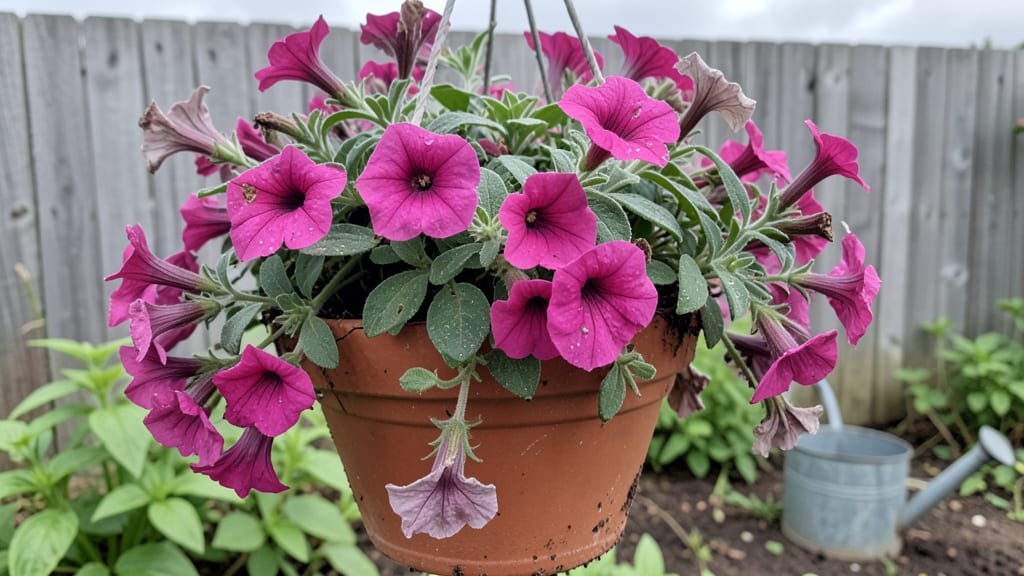
Determining whether Calibrachoa Superbells are annuals or perennials depends on your climate: they thrive as annuals in most regions but are technically tender perennials in USDA zones 9-11. Their delicate stems and subtropical origins mean frost sensitivity limits their lifespan outside warm zones, making them practical as seasonal bedding plants for most gardeners.
These vibrant flowers originated in South America, where consistent warmth keeps them blooming year-round. 🌟 In colder zones, their stems can't survive temperatures below 32°F, which is why gardeners in zones 8 and below treat them as annuals—planting fresh starts each spring guarantees the most vibrant displays.
Even in their native zones 9-11, they still require careful protection during unexpected cold snaps to survive winter, though some varieties show surprising resilience with proper mulching techniques.
What sets Superbells apart from other annuals is their ability to self-clean—dropping spent blooms automatically—and their compact growth habit, which makes them perfect for containers or hanging baskets.
This dual nature (technically perennial but grown as annuals) explains why they're so popular: they deliver instant color while being low-maintenance compared to traditional perennials.
💡 In This Article
- Why Superbells Die in Cold Climates
- Extending Superbells Season in Cooler Regions
Why Superbells die in cold climates
Superbells' demise in chilly weather stems from their subtropical roots and delicate physiology. Native to Brazil and Argentina, these plants evolved in environments where temperatures rarely drop below 50°F.
Their stems contain minimal lignin—a woody polymer that provides structural support in frost-tolerant plants—which makes them prone to collapse when exposed to freezing conditions. Even a light frost (32°F) can cause cellular damage, triggering irreversible blackening of foliage within 24 hours.
The real culprit is ice crystal formation inside their cells. Unlike hardy perennials, Superbells lack protective proteins that prevent ice from rupturing cellular membranes. When temperatures plummet, water within their stems and leaves expands as it freezes, creating sharp ice shards that puncture cell walls.
This process, called cryoinjury, is irreversible—once cells burst, the plant can't recover. 🌡️ Compare this to petunias, which can tolerate brief dips to 28°F thanks to thicker stems and deeper root systems that store energy reserves.
Another factor is their shallow root system. Superbells develop fibrous roots that spread horizontally rather than deeply, making them vulnerable to temperature fluctuations near the soil surface. In contrast, frost-hardy annuals like snapdragons or sweet alyssum have taproots that anchor them more securely and access deeper, more stable soil temperatures.
The combination of tender stems, shallow roots, and subtropical genetics creates a perfect storm of vulnerability when winter arrives.
What most gardeners don't realize is how quickly these plants react to cold. Superbells show visible stress at 45°F—leaves curl, growth slows, and new buds fail to open. By 40°F, metabolic processes shut down completely, and the plant essentially goes into suspended animation.
This rapid response explains why even a single night below 32°F can kill established plants, unlike perennials that can survive dormancy periods.
For visual comparison, imagine two plants side by side: a Superbell with its 1-2 inch stems and delicate 1/4-inch leaves versus a petunia with 12-18 inch stems and thicker foliage. The petunia's greater biomass allows it to store more energy and recover from temperature dips.
Superbells simply don't have the biological reserves to weather cold snaps, which is why they're classified as annuals in most climates despite being technically perennial in their native zones.
The good news is that this frost sensitivity isn't absolute. In microclimates where temperatures rarely drop below 32°F (like coastal areas or urban heat islands), Superbells can sometimes survive winter with proper protection.
However, their natural lifecycle is still tied to warm seasons, making them ideal as seasonal color providers rather than long-term perennials. 🌿