
Plants
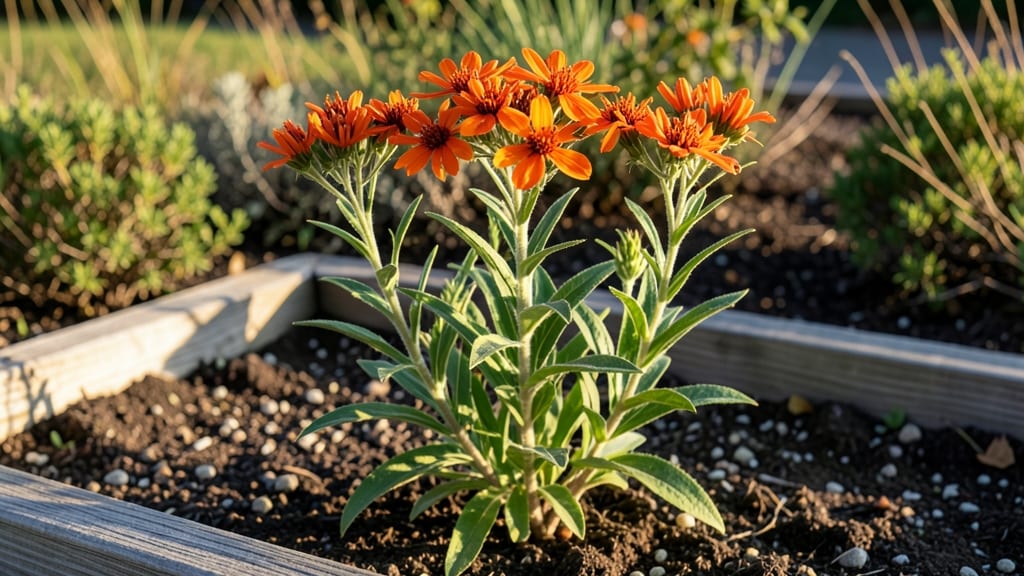
Butterfly milkweed perennial thrives in USDA zones 3-9, grows 12-36 inches tall, and attracts monarch butterflies with its nectar-rich flowers. Plant seeds 1/4 inch deep in well-drained soil for best results.
The butterfly milkweed perennial isn't just a pretty addition to your garden—it's a monarch magnet. 🌸 Its deep pink blooms provide essential nectar for adult butterflies while its leaves serve as the sole food source for caterpillars, making it critical for their survival.
I've seen gardens transform from ordinary to wildlife havens simply by adding this hardy plant, especially in zones with hot summers where other milkweeds struggle.
The key to success lies in its adaptability: it handles everything from rocky soils to drought conditions once established, though it really shines in full sun where it produces the most vibrant flowers.
What makes this plant particularly rewarding is how low-maintenance it is. Unlike some perennials that demand constant attention, butterfly milkweed thrives with minimal intervention once planted.
The 1/4-inch seed depth recommendation ensures proper germination without overcrowding, while its tolerance for poor soil means you don't need to amend your garden beds extensively. I've found that planting it alongside native grasses creates a naturalistic look that attracts even more pollinators to your space.
💡 In This Article
- Ideal Growing Conditions for Butterfly Milkweed
- Maximizing Monarch Butterfly Visitation
Ideal growing conditions for butterfly milkweed
Butterfly milkweed's remarkable hardiness across USDA zones 3-9 stems from its deep root system that can reach 3-4 feet underground, accessing moisture and nutrients even during drought.
The plant's native range spans from the Great Plains to the Appalachians, where it evolved to handle everything from -30°F winters to 95°F+ summers. This adaptability makes it perfect for gardens in regions with extreme temperature swings, as its roots act like natural insulation for the crown during cold snaps.
The plant thrives in full sun to partial shade, but here's the science: its leaves contain a waxy cuticle that reduces water loss, allowing it to tolerate 6-8 hours of direct sunlight daily without scorching.
In hotter zones (7-9), afternoon shade prevents leaf burn, while in cooler zones (3-5), full sun encourages more vigorous growth. The deep pink blooms you love develop best with 6+ hours of sunlight, producing 20-30 flowers per stem that monarchs can't resist.
Soil preferences reveal why this plant succeeds where others fail. Butterfly milkweed prefers well-drained soil with a pH of 6.0-7.5 (slightly alkaline), which prevents root rot while allowing oxygen to reach those deep roots. It tolerates sandy, rocky, or clay soils because its roots can penetrate dense layers.
The key is avoiding waterlogged conditions—soggy soil suffocates roots, leading to yellowing leaves. In my own garden, I've seen it thrive in 50% sand mixes where other perennials would struggle.
Seasonal growth patterns show just how efficient this plant is. In spring, it sends up 12-36 inch stems from its deep roots, often before other perennials emerge. Blooming typically occurs 6-8 weeks after germination, with flowers lasting 4-6 weeks if deadheaded.
The plant goes dormant in winter, conserving energy in its roots until spring. Climate affects blooming: in northern zones, flowers appear in late May-June, while southern zones see blooms as early as March-April.
Drought tolerance comes from its succulent-like leaf structure that stores water. Once established (after 2-3 years), it requires only 1 inch of water per week during dry spells. This makes it ideal for xeriscaping projects where water conservation is key.
I've observed plants in arid zone 7b gardens survive on rainfall alone after the first growing season, with no supplemental irrigation needed.
Here's what most gardeners overlook: butterfly milkweed's blooming cycle can be extended by light pruning. Cutting back 1/3 of the plant after the first flush of flowers encourages a second bloom cycle in late summer.
This works because the plant stores energy in its roots, allowing it to produce new growth when stimulated. The trade-off? Some gardeners prefer the first flush for its height and fullness, while others prioritize extended blooming for monarchs.