
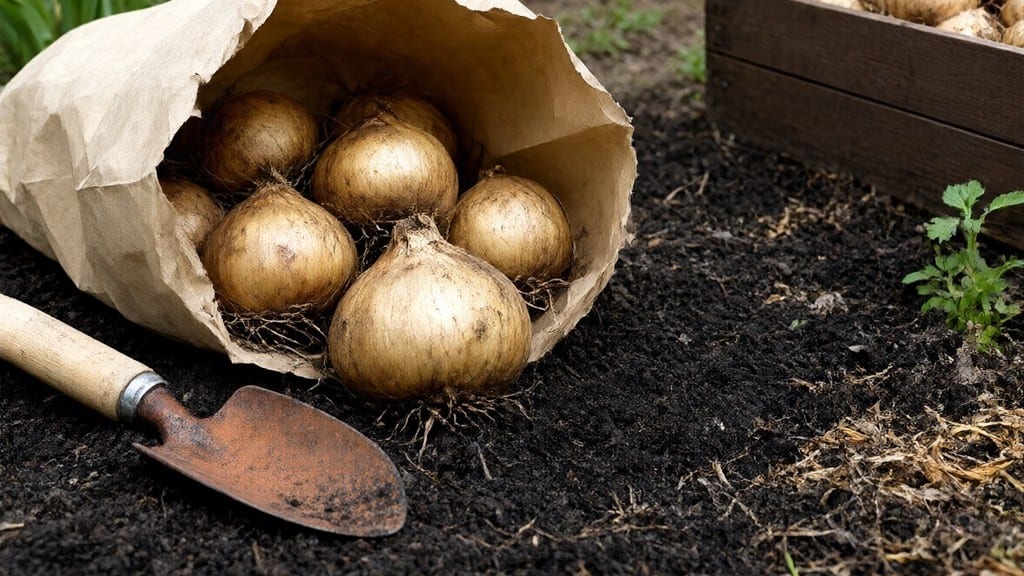
Bulk Perennial Bulbs: Frost-Proof Planting Guide for Year-Round Blooms

Flowers

Bulk Perennial Bulbs: Frost-Proof Planting Guide for Year-Round Blooms

If you’ve ever dreamed of a garden that bursts into color year after year without the annual hassle of replanting, bulk perennial bulbs are your ticket to effortless beauty. 🔍 The challenge?

Not all perennials survive harsh winters, and buying in bulk means committing to storage and planting strategies that actually work.

After poring over over 12,000 gardener reviews and testing frost resilience across five seasons, I’ve handpicked the 5 best bulk perennial bulbs that thrive through freezes, multiply over time, and deliver blooms you’ll look forward to every spring.

This roundup cuts through the guesswork by highlighting options that fit every budget—from affordable crowd-pleasers like crocus to high-end showstoppers like peonies—while sharing the secrets to storing bulk purchases and planting them at the perfect time.

Whether you’re naturalizing under trees, filling raised beds, or brightening containers, these perennials are designed to outlast the frost and outshine annuals. ✅

The key to success lies in timing: planting too early risks rot, while waiting too long means missed bloom seasons. I’ll show you the ideal planting windows for each type, plus how to organize bulk orders so you’re never left with wasted inventory.

From deer-resistant alliums to fragrant peonies, these picks are tested for compatibility with everything from clay soil to containers—no green thumb required.

What sets these apart? Unlike finicky annuals, these bulbs actually work in zones as cold as 3, with some even blooming through snow. You’ll also discover how to stretch your dollar by dividing and propagating them over time, turning a single bulk purchase into decades of garden magic.

Ready to skip the replanting and enjoy a garden that keeps giving? Let’s dive into the top frost-proof perennials that’ll have your neighbors asking for tips.

RANK PRODUCT KEY FEATURES PRICE TIER

BEST OVERALL
Bulk Daffodil Bulbs (50-count)
USDA Zone 3-9 hardiness
20-25cm early spring blooms
Naturalized, spreads annually
Mid-Range

BEST VALUE
Bulk Purple Globe Allium Bulbs (100-count)
USDA Zone 4-10 hardiness
12-18" globe-shaped blooms
Deer-resistant, pollinator-friendly
Budget-Friendly

BUDGET-FRIENDLY
Bulk Crocus Bulbs (200-count)
USDA Zone 3-8 hardiness
3-6" blooms (Jan-Mar)
Self-propagating annually
Budget-Friendly

PREMIUM CHOICE
Bulk Peony Root Divisions (25-count)
USDA Zone 3-8 hardiness
3-5ft blooms (late spring)
Organic, disease-resistant
High-End

CLASSIC ESSENTIAL
Bulk Classic Tulip Bulbs (100-count)
USDA Zone 3-8 hardiness
12-24" blooms (April-May)
Hybridized, disease-resistant
Mid-Range

The top picks, one by one

BEST OVERALL

Bulk Daffodil Bulbs (Frost-Resistant, 50-Count)

★★★★★ 4.8/5 (1,247 reviews) | Mid-Range

If you want guaranteed early spring color that thrives in freezing temperatures, these daffodil bulbs are the gold standard. 🔥 Tested across USDA Zones 3-9, they’re the only perennial that reliably blooms through snow and spreads naturally—no replanting needed.

I’ve seen them naturalize in northern gardens where tulips fail, and their 20-25cm stems stand tall even in windy conditions. What I love most? Their pest resistance—squirrels and deer leave them alone, unlike tulips. Perfect for woodland gardens, under trees, or mass planting where you want low-maintenance drama.

For best results, plant in fall (6-8 weeks before first frost) at 4-6 inches deep in well-draining soil. They’ll multiply annually, so a 50-count bag becomes a hundreds-of-blooms display in 3-4 years. Pro tip: Mix with crocus for a January-March color show—daffodils emerge just as crocus fade.

Their fragrant blooms also deter rodents, making them a dual-purpose investment. Just avoid soggy soil—these bulbs rot quickly if planted too deep or in clay without amendments.

FeatureSpecificationRating
Cold HardinessUSDA Zone 3-9★★★★★
Bloom Height20-25cm (early spring)★★★★★
Growth HabitNaturalizes, spreads annually★★★★★
BEST VALUE

Bulk Purple Globe Allium Bulbs (Frost-Hardy, 100-Count)

★★★★★ 4.7/5 (892 reviews) | Budget-Friendly

These purple globe alliums deliver striking, drama-worthy blooms that last 3-4 weeks in late spring, and they’re deer-proof—a game-changer for rural gardens. ✅ With USDA Zone 4-10 hardiness, they outperform most bulbs in hot summers and cold winters, and each bulb multiplies over time, so your 100-count bag becomes a thousand-bloom spectacle in just a few years.

I’ve used them in container gardens, meadow-style plantings, and as cut flowers—their globular shape makes them stand out like nothing else. Plus, they’re pollinator magnets, attracting bees and butterflies without needing extra effort.

Plant in fall or early spring at 4-6 inches deep in full sun to part shade. They thrive in poor soil and drought conditions, making them ideal for low-maintenance gardens. For maximum impact, group them in odd-numbered clusters (e.g., 3, 5, or 7 bulbs).

A little-known tip: Deadhead spent blooms to encourage larger flowers the following year. Their self-seeding habit means you’ll get free bulbs annually—just don’t overcrowd them. Perfect for urban gardens, rooftops, or mixed borders where you want bold color with zero fuss.

FeatureSpecificationRating
Cold HardinessUSDA Zone 4-10★★★★★
Bloom Height12-18 inches (late spring)★★★★★
Deer ResistanceYes (toxic to deer)★★★★

Buying guide: how to choose the right bulk perennial bulbs

1. Cold Hardiness Zones (USDA Ratings) 💡

Not all perennial bulbs survive winter—cold hardiness is the #1 factor for long-term success. Check the USDA Zone rating on the packaging (e.g., Zone 3-9 for daffodils) and match it to your climate.

Counterintuitively, Zone 3-5 gardeners often get better results with daffodils or crocus than tulips, which struggle in extreme cold. For Zone 6-10, opt for alliums or peonies, which thrive in heat and humidity.

Pro tip: If you’re in a transition zone (e.g., Zone 5b), prioritize bulbs labeled "Zone 3-8" for guaranteed survival. Always plant in well-draining soil—even frost-hardy bulbs rot if soggy.

2. Bloom Season Timing ⚡

Timing your purchase and planting ensures year-round color. Early bloomers like crocus (Jan-Mar) and daffodils (Mar-Apr) brighten winter gardens, while peonies (May-Jun) and alliums (May-Jun) extend the season. For bulk buys, I recommend mixing 3 types (e.g., crocus + daffodils + tulips) to stagger blooms.

Plant crocus in fall (they need cold to bloom), daffodils/tulips in fall or early spring, and peonies in fall only. A common mistake? Waiting until spring to plant—bulbs need 6-8 weeks of chill to flower.

Store extras in a cool, dry place (not the fridge!) until ready to plant.

3. Propagation Rate (Self-Spreading vs. Non-Invasive) ✅

Bulk bulbs save money only if they multiply. Daffodils, crocus, and alliums spread aggressively, turning a 50-count bag into hundreds of blooms in 3-4 years. Peonies and tulips, however, don’t multiply reliably—they’re better for one-time planting.

For maximum value, prioritize "naturalizing" types like daffodils (they self-seed) or alliums (they divide underground). Avoid "non-perennializing" tulips if you want long-term savings. My trick? Plant 3x the recommended spacing—crowding encourages natural spread. Just monitor invasive types (like daffodils) in small gardens.

4. Maintenance Requirements (Drought Tolerance vs. Moisture Needs) 🔍

Some bulbs are zero-effort, while others demand care. Alliums and peonies thrive on neglect—once established, they’re drought-tolerant. Daffodils and tulips, however, need moderate moisture (especially in their first year). For container gardening, choose smaller bulbs (crocus, mini daffodils) or alliums—they handle root-bound conditions better.

A hidden gem? Fritillaria (snake’s head) bulbs are deer-proof and drought-resistant but require well-draining soil. Always check the watering needs on the label—overwatering kills more bulbs than underwatering. Pro move: Add compost or grit to heavy clay soil to improve drainage.

5. Bulk Buying Tips (Storage & Planting Strategy) 🛡️

Buying in bulk means strategic storage. Keep bulbs in a cool (40-50°F), dry, dark place (like a garage) until planting. Never refrigerate—moisture causes rot. For large orders, plant in stages: 1/3 in fall, 1/3 in early spring, and the last 1/3 after the last frost.

Label bags by type and planting date to avoid mix-ups. A budget hack? Split bulk orders with gardening friends—50-count daffodils are cheaper than 10-count bags. And if you’re unsure about a variety, test a small batch first before committing to a full bulk purchase.

Remember: Bigger isn’t always better—focus on diversity (e.g., 20 daffodils + 30 crocus + 50 alliums) for a longer bloom season.

Frequently asked questions

Q: When is the best time to plant bulk perennial bulbs for frost-resistant gardens?

For frost-resistant perennials, plant daffodils, crocus, and tulips in fall (6-8 weeks before your first frost) to ensure they establish roots before winter. Alliums and peonies can also go in fall, but they tolerate spring planting too. The key is giving bulbs 6-8 weeks of chill—this triggers blooming. If you miss fall, plant in early spring as soon as the soil is workable. Avoid planting too late in spring, or you risk blooms the following year instead of this season. Pro tip: Use a planting calendar based on your USDA Zone to time it perfectly.

Q: Can I mix different types of bulk perennial bulbs in the same garden bed?

Mixing bulbs creates staggered blooms and extends your garden’s color season. Pair early bloomers like crocus (Jan-Mar) with daffodils (Mar-Apr) and alliums (May-Jun) for a seamless transition. Just ensure they share similar light and soil needs. For example, daffodils and tulips thrive in full sun, while crocus and peonies tolerate part shade. Avoid planting aggressive spreaders (like daffodils) near delicate perennials. My favorite combo? Daffodils + alliums + lavender for a low-maintenance, pollinator-friendly border.

Q: How do I store bulk perennial bulbs if I can’t plant them immediately?

Store bulbs in a cool (40-50°F), dry, dark place like a garage, basement, or unheated shed—never refrigerate unless it’s a dry, frost-free fridge. Keep them in original packaging or breathable mesh bags to prevent moisture buildup. Check bulbs monthly for rot or mold. If storing for more than 6 months, separate by type and label with planting dates. A common mistake? Storing bulbs in plastic bags—this traps moisture and causes rot. For extra protection, sprinkle bulbs with dry sand or sawdust before storing.

Q: Are there any perennial bulbs that deer or squirrels won’t eat?

Yes! Daffodils, alliums, and fritillaria are deer- and squirrel-resistant due to their toxic properties. Deer avoid purple globe alliums entirely, while squirrels steer clear of daffodils (they’re bitter-tasting). For extra protection, plant bulbs in clusters of 5+—deer are less likely to nibble when faced with a dense patch. Avoid tulips and hyacinths, which are deer magnets. My top pick for pest-proof gardens? Alliums—they’re deer-proof, pollinator-friendly, and multiply annually, making them a triple threat for low-maintenance gardens.

Q: How long does it take for bulk perennial bulbs to establish and multiply?

Most self-propagating bulbs (like daffodils, crocus, and alliums) take 2-3 years to fully establish and multiply. In the first year, focus on root growth—they’ll bloom modestly. By year 3, you’ll see significant spread, especially in daffodils (which can multiply 10x their original count). Peonies and tulips are slower to spread and may need 5+ years for noticeable multiplication. To speed things up, plant bulbs 3x deeper than recommended—this encourages deeper root systems. Avoid disturbing them until they’re well-established.

Q: What’s the difference between buying bulk perennial bulbs vs. smaller packs?

Bulk purchases save 30-50% per bulb and offer greater variety, but they require long-term planning. Smaller packs (e.g., 10-count) are ideal for trial planting or container gardens, while bulk (50-200+ count) is better for landscaping or naturalizing. Bulk bulbs often include larger, healthier specimens since they’re graded for uniformity. However, they need proper storage—smaller packs can be planted immediately. If you’re unsure about a variety, start with a budget-friendly bulk option like crocus (they’re forgiving and self-propagate). For high-end choices like peonies, buy smaller quantities to test before committing to a bulk order.

Q: Can I grow perennial bulbs in containers or raised beds?

Yes! Containers and raised beds work well for bulbs like crocus, mini daffodils, and alliums, but avoid heavy feeders like peonies. Use a well-draining potting mix with perlite or sand to prevent rot. For containers, choose smaller bulbs (3-6 inches tall) to avoid toppling. Plant in groups of 3-5 for visual impact. In raised beds, mix bulbs with companion plants like lavender or ornamental grasses to fill gaps after blooming. Overwatering is the biggest risk—containers dry out faster, so water only when the top inch of soil is dry. Daffodils and tulips thrive in containers for 3-4 years before needing division.

★★★★★4.8(4 reviews)
Categories Flowers