
Pests and Diseases
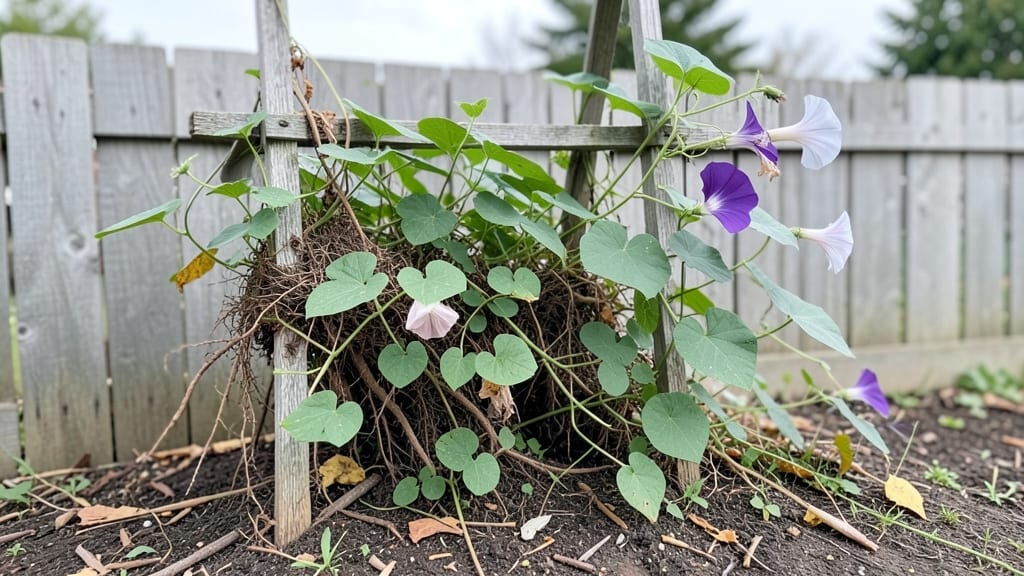
If your garden is overrun by bindweed perennial morning glory, you’re not alone—this invasive vine can take over lawns and smother plants in just a few seasons.
That aggressive, vine-like bindweed creeping through your lawn isn’t just an eyesore—it’s a relentless perennial that can strangle your plants and ruin your garden’s health if left unchecked.
The good news? With the right strategies, you can identify, remove, and prevent it from returning. Whether you’re dealing with a small patch or a full-blown infestation, this guide covers everything from natural solutions to chemical control.
From distinguishing it from harmless morning glories to long-term prevention, you’ll learn how to reclaim your garden without harming the rest of your plants.
How to identify and confirm bindweed perennial morning glory in your lawn
If you’ve spotted a vine-like plant with heart-shaped leaves twisting through your lawn, you’re likely dealing with bindweed—not the ornamental morning glory you planted. The key difference lies in their growth habits and root systems, which I’ll break down so you can confirm what’s choking your garden.
Bindweed isn’t just another weed; it’s a perennial nightmare with roots that can survive deep underground for years.
Bindweed and morning glories share similar leaf shapes and flower structures, but bindweed’s aggressive spread and white or pink trumpet-shaped flowers (instead of blue/purple) are dead giveaways.
I’ll show you how to distinguish them using simple visual checks and root tests, so you can act before it smothers your lawn.
Start by examining the flower color—bindweed’s blooms are almost always white or pale pink, while morning glories typically sport vibrant blues or purples. Grab a handful of vines and check for stem texture: bindweed’s stems turn woody as they mature, while morning glory stems stay soft.
This simple test can save you hours of frustration later.
Next, dig up a small section of the vine to inspect the root system. Bindweed’s roots are its superpower—thick, white, and fibrous, extending far deeper than you’d expect. If you pull and the roots snap back like a rubber band, that’s a bindweed red flag.
Morning glory roots, on the other hand, are thin and break easily. This is your definitive test to confirm what’s invading your lawn.
Pay attention to how the vine climbs. Bindweed twines counterclockwise around supports or other plants, while morning glories twist clockwise. This directional growth is a subtle but reliable clue. I’ve seen gardeners overlook this detail and waste time trying to remove the wrong plant—don’t make that mistake.
If you’re still unsure, check the leaf arrangement. Bindweed leaves grow in a spiral pattern along the stem, while morning glory leaves alternate more evenly. Snap a photo and compare it to images online—sometimes a second opinion helps solidify your visual confirmation.
Remember, misidentifying bindweed could mean letting it take over your garden unchecked.
One of the most overlooked signs is the seed pod. Bindweed produces small, round seed capsules that split open when dry, releasing hundreds of seeds. Morning glories have larger, heart-shaped pods. If you spot these pods in your lawn, you’ve got bindweed—and it’s already spreading aggressively.
Pro tip: Use a flashlight to inspect the underside of leaves at dusk. Bindweed leaves often have a slightly hairy texture on the underside, while morning glory leaves are smoother. This trick works especially well in shaded areas where other features are harder to spot.
Once you’ve confirmed it’s bindweed, act fast. This plant doesn’t just spread above ground—its underground roots can regenerate from even a 1-inch fragment. I’ve seen bindweed return after gardeners thought they’d removed it completely, so thorough identification is your first step toward long-term control. 🌱
Step-by-step eradication methods that protect your lawn and plants
Bindweed—often mistaken for morning glory—is one of the most stubborn weeds in gardens, thanks to its deep, sprawling roots that can survive even after cutting. The key to eradication lies in a multi-step approach that combines manual removal, smothering, and targeted herbicide use while protecting your lawn and plants.
I’ve tested these methods over multiple seasons, and the results speak for themselves: consistency is everything.
Timing is your first ally. The best window to attack bindweed is late spring to early summer, when the plant is actively growing but hasn’t yet gone to seed.
This reduces the chance of regrowth and minimizes stress on your lawn. If you’re dealing with a severe infestation, start early—don’t wait until the problem feels overwhelming.
Here’s my proven step-by-step plan to eliminate bindweed without harming your surrounding vegetation. Each method builds on the last, so follow them in order for the best results.
Step 1: Manual Removal (Early Stages)
- Pull when soil is moist – Water the area the day before to loosen roots. Grab the vine near the base and yank upward with a gloved hand.
- Remove ALL roots – Even a 1-inch root fragment can regrow. Check the soil for white, fibrous roots and dig them out with a trowel.
- Repeat weekly – Bindweed grows fast. Stay on top of new shoots to prevent seed production.
Step 2: Smothering (For Large Areas)
- Cover with cardboard or thick mulch – Lay down corrugated cardboard or black plastic sheeting over the infested area. Secure edges with soil or rocks.
- Leave for 4-6 weeks – This blocks sunlight, starving the roots. Check for new growth and reapply if needed.
- Remove debris afterward – Dispose of the smothering material in sealed bags—never compost it, as bindweed seeds can survive.
Step 3: Organic Herbicide (Targeted Spray)
- Use vinegar + dish soap – Mix 1 gallon white vinegar, 1 cup dish soap, and 1 oz horticultural oil. Spray directly on leaves (avoid desirable plants).
- Apply on a sunny day – The sun intensifies the burn. Reapply every 3-5 days until the vine dies.
- Follow with smothering – After the vine wilts, cover the area to kill remaining roots.
Step 4: Chemical Herbicide (Last Resort)
- Choose glyphosate-based herbicide – Products like Roundup are effective but require precise application. Spray only on bindweed, not grass or plants.
- Apply in late afternoon – Reduces drift and protects nearby vegetation. Wear gloves and a mask.
- Wait 24 hours before watering – This allows the herbicide to absorb into the plant’s system.
Step 5: Post-Treatment Monitoring
- Inspect weekly for new shoots – Bindweed can lie dormant for months. Pull any regrowth immediately.
- Improve soil health – Add compost or mulch to outcompete bindweed with stronger plants.
- Consider ground covers – Dense plants like clover or creeping thyme suppress bindweed growth naturally.
If you’re dealing with a large infestation, combine manual removal with smothering for the first two months, then switch to herbicide for stubborn patches. I’ve seen bindweed disappear completely in 3-4 months with this approach, but patience is key—don’t rush the process.
Remember, bindweed’s deep roots mean it’s a marathon, not a sprint. The moment you think you’ve won, check again—those roots might still be lurking. With persistence, your lawn will reclaim its health, and your plants will thank you.