
Orchid Care
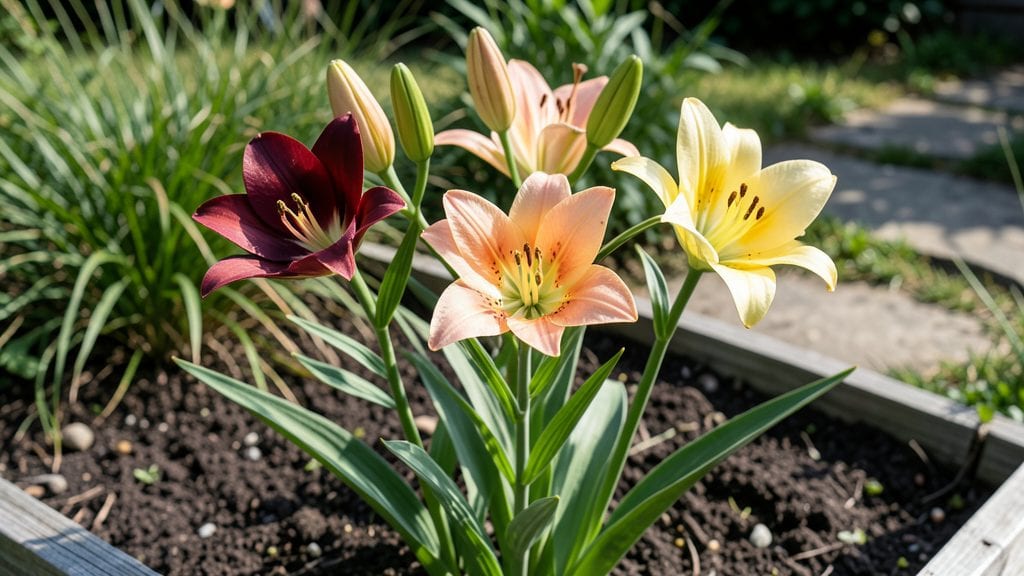
Whether your Asiatic lilies return each spring depends entirely on your climate zone and how well you protect their dormant bulbs. 🌱 In zones 3-9, these hardy plants naturally enter dormancy when temperatures drop, storing energy underground until warmth triggers new growth.
The key difference between treating them as perennials versus annuals comes down to winter survival—if your area experiences deep freezes, the bulbs may not regenerate without protection or replanting.
For gardeners in marginal zones (like zone 9b), the decision often comes down to practicality: while the plants can survive, their vigor may decline after 3-5 years due to bulb crowding or disease buildup. That's when replanting becomes essential—not just for aesthetics, but for long-term health.
Think of it like refreshing an old mattress: sometimes you need to replace the core (the bulbs) to keep getting those show-stopping summer blooms.
💡 In This Article
- How Asiatic Lily Bulbs Survive Winter in Different Climates
- When and Why to Replant Asiatic Lily Bulbs for Long-Term Growth
How Asiatic lily bulbs survive winter in different climates
The secret to Asiatic lilies thriving year after year lies in their underground survival strategy. These plants enter a natural dormancy phase when temperatures drop below 50°F, allowing their bulbs to store energy as starches and sugars.
Unlike tropical plants, Asiatic lilies are hardy perennials in USDA zones 3-9 because their bulbs can withstand freezing temperatures down to -20°F when properly insulated by soil or mulch.
This dormancy isn't hibernation—it's an active metabolic slowdown that preserves the bulb's core while allowing it to "wake up" when spring warmth triggers root growth at 55-60°F soil temperatures.
The real magic happens in the bulb itself, where specialized cells called meristems remain protected in the center. These meristems are like nature's hard drives, containing all the genetic instructions needed to regenerate foliage and flowers.
In colder zones (3-5), the above-ground foliage dies back completely, but the bulb remains alive underground, protected by its papery tunic that acts like a natural insulation layer. 🌱 What most gardeners don't realize is that even in zone 9, where winters are mild, Asiatic lilies still benefit from this dormancy cycle—it's what prevents them from becoming leggy or overcrowded.
Here's where climate becomes the deciding factor: in zones 6-9, the bulbs naturally regenerate each spring because winter conditions aren't severe enough to damage them.
However, in zone 3 or areas with sudden freezes, the bulbs may need extra protection like 6-8 inches of mulch or even temporary row covers to prevent frost penetration.
The key difference between perennial and annual behavior comes down to whether the bulb's meristems survive intact—if they do, you get perennial growth; if they're damaged by extreme cold or poor soil conditions, you'll need to replant annually for fresh blooms.
Interestingly, Asiatic lilies employ two distinct survival strategies depending on their environment. In colder climates, they focus all their energy on bulb development during the growing season, storing enough nutrients to fuel next year's growth.
In warmer zones, they may produce more foliage and flowers but with slightly less vigor in subsequent years.
This is why gardeners in zone 9 often find their lilies blooming beautifully for 2-3 years before needing replanting—not because the bulbs die, but because they've exhausted their energy reserves without proper dormancy.
The temperature threshold that triggers regrowth is particularly fascinating. Research shows that Asiatic lily bulbs begin active growth when soil temperatures consistently reach 55°F for at least 7-10 days. This is why early spring blooms are rare—the plant waits for reliable warmth before committing energy to new growth.
In contrast, tropical lilies (which are true annuals) don't have this dormancy mechanism and must be replanted yearly because their bulbs can't survive freezing temperatures at all.
What this means for gardeners is that your climate determines whether you're working with a true perennial or effectively treating it as an annual.
In zone 3, you might get 3-4 years from a bulb before it needs replacing due to cold stress, while in zone 8, that same bulb could return for 5-6 years with proper care. The bottom line?
Asiatic lilies are perennials by nature, but their longevity depends on mimicking their natural dormancy cycle—whether that means protecting them in winter or giving them a fresh start every few years.