
Shrubs
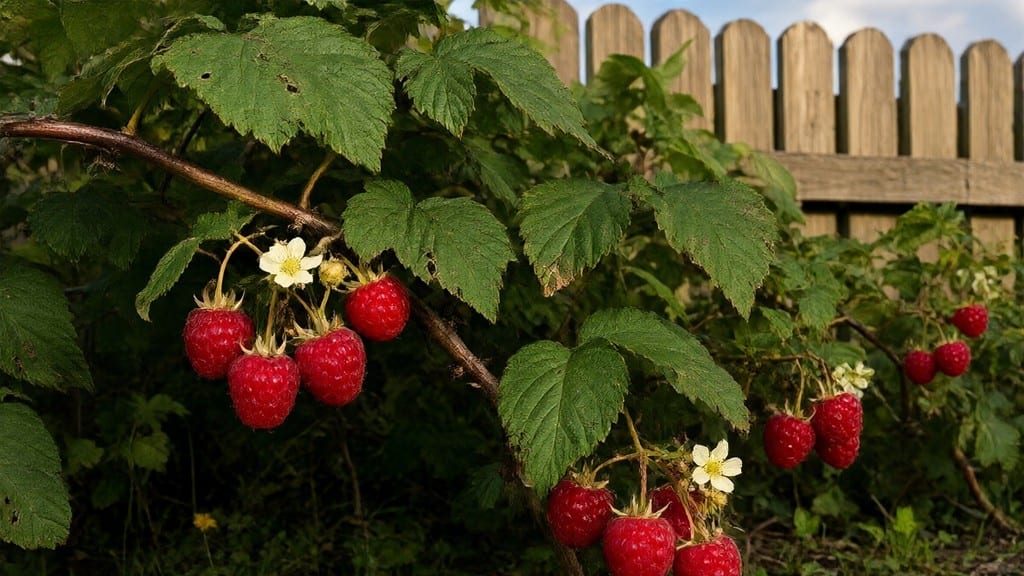
Raspberry bushes are perennial plants that survive multiple growing seasons, thriving for 10-20 years with proper care, though their canes typically live only 2-3 years before requiring pruning or replacement.
Raspberry bushes earn their perennial reputation by sending up new canes each spring from the same root system, which can persist for decades under ideal conditions. 🌱 The secret lies in their two-year growth cycle: first-year canes (primocanes) focus on establishing roots and wood, while second-year canes (floricanes) produce fruit before dying back.
This biennial habit means you'll always have fresh growth emerging, but it also requires strategic pruning to maintain productivity and plant health.
What many gardeners overlook is how climate plays a role—cold winters can shorten a cane's lifespan, while warm regions may see more aggressive regrowth.
I've found that summer-bearing varieties particularly benefit from annual pruning to encourage vigorous new canes, while fall-bearing types need a different approach to manage their extended fruiting window. The key is understanding your specific variety's growth pattern and adapting your care routine accordingly.
💡 In This Article
- Lifespan and Growth Cycle of Raspberry Canes
- Pruning Raspberry Bushes for Longevity
Lifespan and growth cycle of raspberry canes
Raspberry canes follow a fascinating two-year growth cycle that determines their productivity. The first-year growth, called primocanes, emerges from the root system in early spring and spends its energy establishing a strong root network and developing woody stems.
These canes typically grow 3-6 feet tall by summer but produce no fruit—they're all about building the plant's foundation for future harvests. 🌱
The magic happens in year two when these now-woody canes become floricanes, bearing fruit before dying back. This biennial pattern means your raspberry patch is always cycling between new growth and fruiting canes.
The fruit-bearing floricanes produce 1-2 pounds of berries per cane under ideal conditions, but their lifespan is limited—they fruit heavily in their second year, then decline rapidly as they age. This is why you'll see raspberry bushes produce bumper crops one year, then need time to regenerate the next.
Seasonal dormancy plays a crucial role in this cycle. In colder climates, raspberry canes enter dormancy when temperatures drop below 40°F, with hardy varieties surviving down to -15°F with proper protection. The root system remains active underground, storing nutrients for next year's growth.
What's less obvious is how this dormancy period actually rejuvenates the plant—it's like a biological reset that prepares the roots for another cycle of cane production. 🌡️
Climate significantly impacts cane longevity. In warm regions, raspberries may produce primocanes year-round, while colder zones see more distinct seasonal patterns. I've noticed that summer-bearing varieties particularly benefit from winter chill (500-1,000 hours below 45°F), which triggers proper dormancy and fruiting.
Without adequate chill hours, canes may produce fewer berries or grow weakly. This is why some gardeners in mild climates struggle with raspberry productivity—the plant's natural cycle isn't properly synchronized with the environment.
Here's what most gardeners miss: the root crown is where the real longevity happens. While individual canes live only 2-3 years, the root system can persist for decades, sending up new primocanes each spring.
This is why a well-established raspberry patch can continue producing for 10-20 years—it's not the canes themselves that are perennial, but the underground network that keeps regenerating them. Think of it like a fountain where the water (roots) is constant but the streams (canes) change each season. 💧
The biennial growth cycle also explains why raspberries need annual pruning. By removing old floricanes after fruiting, you're making space for new primocanes to establish themselves. This isn't just about tidiness—it's about maintaining the plant's energy balance.
Without pruning, you'll end up with a dense thicket of unproductive canes competing for nutrients, which actually reduces your harvest in subsequent years. The key is timing: prune immediately after fruiting for summer-bearing varieties, or in late winter for fall-bearing types.