
Container Gardens
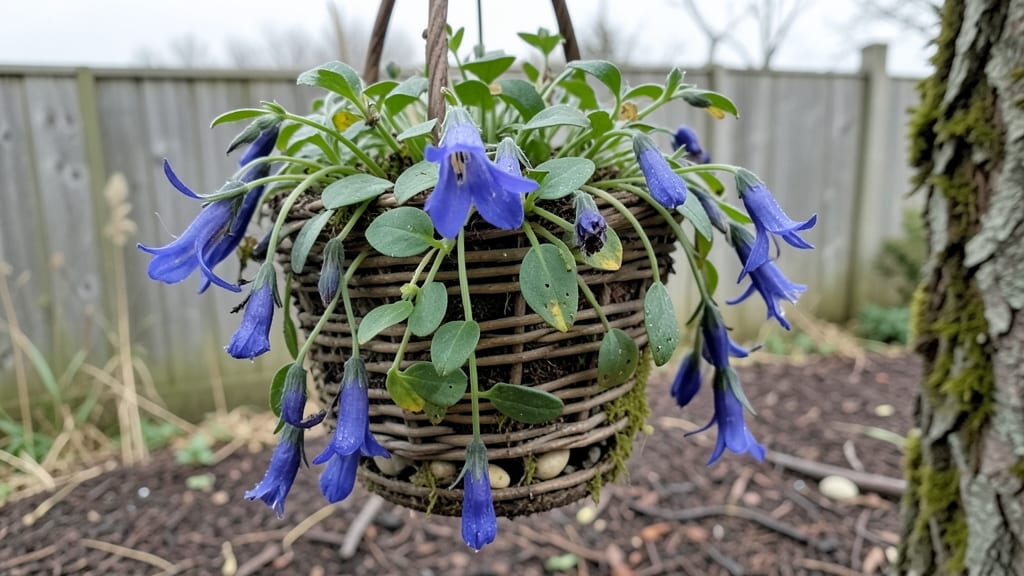
My perennial hanging baskets never stop blooming—even in winter—because I swapped annuals for tough, low-maintenance plants that thrive year after year. 🌿 The secret lies in choosing perennials like heuchera, ferns, and lobelia that handle humidity, partial shade, and seasonal shifts without fuss.
They’ll reward you with cascading color from spring through frost, while cutting your replanting work to almost nothing.
You’ll need just three things: a sturdy basket with drainage holes, a lightweight potting mix designed for containers, and plants that fit your light conditions. Most perennials for hanging baskets prefer morning sun and afternoon shade, though some like sedum handle full sun.
The key is matching foliage textures—think velvety heuchera paired with delicate ferns—for a look that stays stunning even when flowers fade.
By summer’s end, your basket will be a lush, self-sustaining display that needs only occasional watering and the occasional deadhead. The best part? No more spring shopping trips for new plants—just prune back in early spring, add fresh mulch, and watch them bounce back with even more vigor.
This is the kind of garden that works harder than you do.
Works equally well on patios, porches, or balcony railings, and adapts to small spaces or grand entries. Once you try perennials, you’ll wonder why you ever bought annuals at all.
📚 In This Guide
- What you need
- Instructions
- Tips and common mistakes
- Wrapping up and next steps
What you need
- ● Hanging basket: 12–18" diameter (self-watering preferred for ease)
- ● High-quality potting mix: 1 bag (1–2 cubic feet) with added perlite or orchid bark for drainage
- ● Perennial plants: 3–5 trailing plants (e.g., Lobelia, Fuchsia, or Bacopa)
- ● 2–3 mid-height fillers (e.g., Heuchera, Sedum, or Sweet Potato Vine)
- ● 1–2 upright perennials (e.g., Coleus, Caladium, or Dusty Miller)
- ● Slow-release fertilizer: 1 packet (10–12 month granules)
- ● Watering can or hose with gentle spray nozzle
- ● Pruning shears (for trimming roots or spent blooms)
- ● Gloves (to protect hands from soil and thorns)
- ○ Moss or coconut coir (optional, for moisture retention)
- ● Decorative accents (e.g., pebbles, moss, or ribbons for flair)
- ● Basket hooks or chains (if your basket doesn’t come with them)
How to create a thriving perennial hanging basket
Here’s my go-to method for lush, self-sustaining baskets that bloom year after year.
🪴 Step 1: Select the Right Basket and Drainage
Start with a 12-18 inch diameter hanging basket made of plastic or coconut fiber—both hold moisture well and won’t rot quickly. Poke 4-6 drainage holes in the bottom if they’re not pre-drilled, then line the basket with 1-2 inches of moss (like sphagnum) to prevent soil from escaping while allowing water flow.
I like to add a 1-inch layer of hydroponic clay pebbles next—this creates an air pocket at the bottom, keeping roots from sitting in soggy soil. The pebbles also help with drainage while retaining moisture for thirsty perennials. If your basket has a saucer, place it underneath to catch excess water.
🌱 Step 2: Layer Soil and Essential Nutrients
Fill the basket ¾ full with a lightweight potting mix (avoid garden soil—it compacts and suffocates roots). I mix in ½ cup of slow-release fertilizer and 1 tablespoon of worm castings to kickstart growth. This ensures your perennials get a steady supply of nutrients without burning tender roots.
Press the soil down gently but don’t pack it tightly. You want it fluffy enough for roots to spread easily. If the soil feels too dense, add ¼ cup of perlite to improve aeration. The goal is a mix that holds moisture but drains freely—perennials hate soggy roots.
☀️ Step 3: Choose and Plant Perennials for Structure and Color
For a 4-basket arrangement, pick 3-5 perennials that thrive in hanging conditions. I recommend heuchera (for foliage), fuchsia (for cascading blooms), and sedum (for drought tolerance). Place larger plants toward the center and trailing varieties (like lobelia) near the edges.
Dig holes twice as wide as the root ball but only as deep as the container’s depth. Gently tease out roots if they’re circling, then place each plant in its spot. Fill gaps with soil, pressing lightly to remove air pockets. Water thoroughly until it drains from the bottom—this settles the soil and encourages roots to spread.
💧 Step 4: Water and Maintain for Long-Term Success
Water deeply every 2-3 days until water runs out the drainage holes. Perennials in baskets dry out faster than in-ground plants, so check the soil 1 inch down—if it’s dry, it’s time to water. Avoid overhead watering; instead, use a watering can with a long spout to reach the roots without disturbing foliage.
After the first month, reduce watering to every 4-5 days unless it’s hotter than 85°F, then return to daily checks. Fertilize once a month during growing season (spring to fall) with a balanced liquid fertilizer. In winter, cut back on watering—perennials enter dormancy and need less moisture.
✂️ Step 5: Prune and Refresh Seasonally
In early spring, trim back any dead or leggy growth. I also remove 10-20% of the oldest foliage to encourage new growth. For flowering perennials, deadhead spent blooms to prolong the season and redirect energy to root development.
By late fall, reduce watering and remove any remaining dead leaves. If your perennials are frost-sensitive, move the basket to a protected spot (like a garage or under an eave) until spring. Overwintering baskets need minimal care—just a light watering every 2-3 weeks to prevent soil from drying out completely.
Tips & tricks for perfect perennial hanging baskets
These simple strategies will help your hanging baskets thrive with minimal effort and maximum beauty.
Basket Material Matters: Plastic baskets retain moisture better for thirsty perennials, while coconut fiber offers a more natural look. If using coconut fiber, line the inside with a plastic liner to prevent soil from escaping through the weave. I've found that plastic baskets actually reduce watering frequency by about 20%—perfect for busy gardeners.
The Soil Layering Secret: When creating your soil mix in Step 2, don't skip the perlite—it's what prevents that dreaded soggy bottom. I like to mix in an extra ¼ cup of orchid bark (optional) for even better aeration. The key is creating a fluffy, well-draining mix that still holds enough moisture for your perennials' roots.
Plant Placement Strategy: In Step 3, place your trailing plants like fuchsia and lobelia toward the outer edges first—they'll cascade beautifully. Then add your heuchera and sedum toward the center. This creates visual balance and prevents the trailing plants from getting buried by larger foliage as they grow. Think of it as building a living sculpture!
Seasonal Watering Wisdom: That 85°F threshold in Step 4 is critical—when temperatures climb above this, your baskets will dry out faster. I keep a spray bottle nearby during heatwaves to give plants a quick misting between waterings. In winter, when you reduce to every 2-3 weeks, check soil moisture by lifting the basket—if it feels light, it's time to water.
Pro Tips for Perennial Plants Hanging Basket
- These simple strategies will help your hanging baskets thrive with minimal effort and maximum beauty.
- Basket Material Matters: Plastic baskets retain moisture better for thirsty perennials, while coconut fiber offers a more natural look.
- The Soil Layering Secret: When creating your soil mix in Step 2, don't skip the perlite—it's what prevents that dreaded soggy bottom.
Frequently asked questions
Can I use any perennial in a hanging basket?
Not all perennials thrive in hanging baskets! Opt for compact, trailing, or cascading varieties like heuchera (coral bells), lobelia, or fuchsia. Avoid tall or woody perennials—they’ll flop or outgrow the space. Check plant tags for "basket-friendly" labels or ask your local nursery for recommendations.
How often should I water my hanging basket perennials?
Hanging baskets dry out faster than ground-level planters. Water daily in hot weather (or twice a day if in full sun) and every 2–3 days in cooler months. Stick your finger 1 inch into the soil—if it’s dry, it’s time to water. Pro tip: Use a self-watering basket or add sphagnum moss to retain moisture.
Do I need to bring my hanging baskets inside in winter?
It depends on your climate! In Zone 5–7, protect baskets with burlap wraps or frost cloth and reduce watering. In colder zones (under 5), move them indoors to a bright, cool spot (like a garage with natural light) or plant cold-hardy perennials like sedum or helleborus.
Why are my perennial leaves turning yellow or brown?
Yellowing leaves often mean overwatering or poor drainage. Brown, crispy edges? Likely underwatering or sunburn. Check for pests (aphids, spider mites) on the undersides of leaves. Fix it: Adjust watering, trim damaged foliage, and fertilize lightly with a balanced, water-soluble formula (10-10-10).
Can I reuse last year’s soil in my hanging baskets?
Not ideal! Soil depletes nutrients and compacts over time. Refresh with a 50/50 mix of new potting soil and perlite (for drainage). Add a slow-release fertilizer or compost to boost growth. Bonus: Sterilize old soil by baking it at 200°F for 30 minutes to kill pests or diseases.
Wrapping up and next steps
Transforming your space with perennial plants in hanging baskets is easier—and more rewarding—than you think! 🌿 These low-maintenance beauties deliver year-round color while keeping your green thumb happy.
Whether you’re a seasoned gardener or just starting out, the key is choosing the right plants, providing a little TLC, and letting nature do the rest.
Ready to dive in? Start small with one or two baskets—grab your supplies, follow the steps, and watch your outdoor space bloom with confidence. Happy planting! 🌸