
Flowers
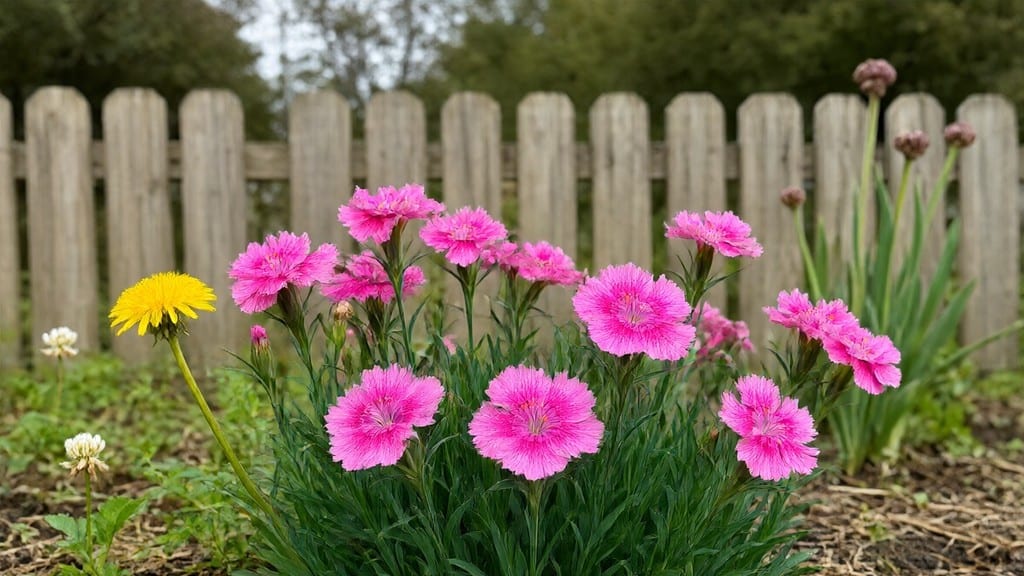
Pinks aren't true perennials—they're biennials or short-lived perennials that bloom spectacularly their first year, then often decline the second year before making sporadic returns. In warmer climates, most grow as annuals, while cooler regions may see them persist for 2-3 years with proper care.
This classification comes down to their growth habits: pinks (Dianthus species) typically follow a biennial pattern, producing rosettes in their first year and flowering heavily the second—then struggling to rebound. 🌸 The key difference?
True perennials regrow from the same root system year after year, while pinks often exhaust their energy after blooming. For gardeners, this means planning for annual replanting in hot zones or strategic care (like deadheading) to coax extra seasons from cooler-climate varieties.
Climate plays a huge role—hardy types like Dianthus barbatus handle frost better, while tender varieties wilt in heat. I’ve found that adjusting soil pH to 6.0–7.0 and mulching in winter can trick some into lasting longer, but don’t expect perennial reliability.
Think of them as dramatic, one-season wonders with occasional encore performances.
💡 In This Article
- Pink Flower Life Cycle: Biennial vs Perennial Behavior
- Extending Pink Flower Lifespan in Gardens
Pink flower life cycle: biennial vs perennial behavior
Here's what's actually happening with pinks (Dianthus spp.): Their life cycle hinges on energy allocation between growth and reproduction. Biennial varieties follow a strict two-year pattern—year one builds a dense rosette of leaves (storing energy in fibrous roots), while year two diverts all resources to flower production.
This exhausts the plant, leaving little energy for regrowth. The root system, typically shallow and fibrous, lacks the deep, woody structure of true perennials like peonies or hostas.
The key difference lies in their reproductive strategy. True perennials like lavender or coneflowers develop persistent root crowns that regenerate annually. Pinks, however, prioritize seed production after flowering, often dying back completely.
In cooler climates (USDA zones 4-7), some varieties like Dianthus barbatus may persist 2-3 years by storing carbohydrates in their roots during mild winters, but this is more exception than rule. Tropical varieties, meanwhile, rarely survive past their first bloom cycle due to heat stress.
Climate creates dramatic variations in their behavior. In cool-season regions, pinks often bloom in spring, set seed, then enter dormancy—only to potentially repeat the cycle if conditions are favorable. The 60-70°F temperature range triggers their flowering hormones, while extreme heat (>85°F) accelerates senescence.
This explains why they're typically grown as annuals in Southern climates: the energy cost of flowering in heat is simply too high for survival.
What most gardeners don't realize is how their root systems respond to stress. When pinks flower, they allocate up to 70% of their energy to seed production, leaving minimal reserves for root maintenance. This is why you'll see them decline after blooming—it's not just age, but a calculated biological trade-off.
The fibrous roots (typically 6-12 inches deep) lack the storage capacity of true perennials, which can sustain themselves through multiple seasons.
Consider these growth stage comparisons:
- Biennial pinks: Year 1 = vegetative rosette; Year 2 = massive flowering + seed production; Year 3+ = decline or sporadic returns
- Short-lived perennials: Year 1 = moderate bloom; Years 2-3 = reduced vigor; Year 4+ = rare survival
- True perennials: Annual regrowth from same root system (e.g., Dianthus superbus in some cases)
The science behind this involves photoperiodism—pinks detect day length changes that trigger flowering. In their native Mediterranean climates, this ensures seeds form before summer droughts. When transplanted to gardens, this timing can become misaligned, leading to premature energy expenditure. 💫