
How To
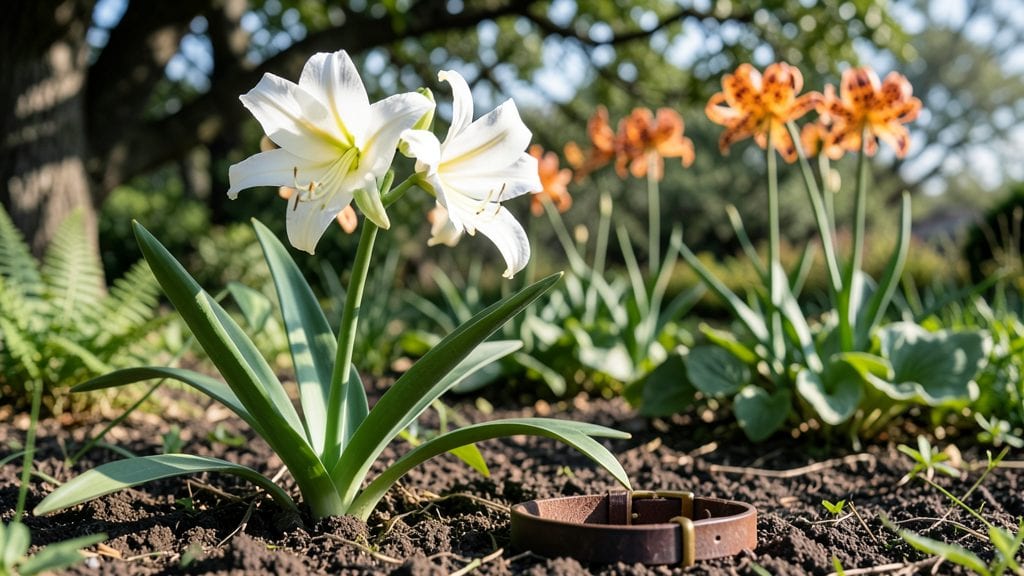
Perennials can indeed be toxic to dogs, with common offenders like lilies, foxglove, and azaleas triggering symptoms ranging from vomiting to lethargy if ingested. Always verify plant safety before adding them to your yard, and consider non-toxic options such as sunflowers or marigolds.
When it comes to perennials, not all are created equal in terms of pet safety. 🌿 Many ornamental plants contain compounds like glycosides or alkaloids that can disrupt a dog's digestive system or even affect their nervous system.
For example, lilies—often prized for their beauty—can cause kidney failure in dogs even in small amounts, while azaleas may lead to drooling, weakness, or worse. The key is knowing which plants to avoid entirely, especially if your dog has a habit of nibbling on foliage.
If you're looking to create a dog-friendly garden, the good news is there are plenty of safe alternatives. 🌼 Perennials like lavender, rosemary, and snapdragons not only add color and texture but are also non-toxic and often fragrant enough to deter curious pups.
These plants also thrive in similar conditions as their toxic counterparts, making them easy swaps for any gardening enthusiast. Always double-check with your vet or a pet-safe plant database before introducing new greenery to your yard.
💡 In This Article
- Most Dangerous Perennial Plants for Dogs
- Dog-Friendly Perennial Garden Guide
Most dangerous perennial plants for dogs
Some perennials contain compounds that can cause severe reactions in dogs, with effects ranging from mild gastrointestinal upset to life-threatening organ failure. The most dangerous offenders produce toxic glycosides or alkaloids that disrupt cellular function.
For instance, oleander contains cardiac glycosides that interfere with a dog's heart rhythm, while castor bean produces ricin, a protein that halts protein synthesis in cells. Even small amounts—like a single leaf or seed—can be fatal, especially in small breeds.
Visual identification is key since many toxic plants have distinctive features. Bleeding heart (Dicentra spectabilis) contains isoquinoline alkaloids that cause drooling, vomiting, and weakness within 30-60 minutes of ingestion. Its heart-shaped flowers and fern-like foliage make it a garden favorite, but its toxicity is often overlooked.
Similarly, foxglove (Digitalis purpurea) contains digitalis glycosides that trigger irregular heartbeats, seizures, or even death if consumed. The plant's tall spikes and bell-shaped flowers can be mistaken for ornamental grasses.
Symptoms of poisoning vary but often include excessive drooling, vomiting, diarrhea, lethargy, or seizures. The severity depends on the plant and the dog's size—small dogs are especially vulnerable. For example, lily of the valley contains cardiac glycosides that can cause bradycardia (dangerously slow heart rate) within 6-12 hours of ingestion.
Meanwhile, azaleas and rhododendrons contain grayanotoxins that lead to drooling, weakness, and coma in severe cases. Always monitor your dog closely after they've been near these plants.
What most people don't realize is that even the roots and stems of these plants can be toxic, not just the flowers or leaves. For example, delphiniums (larkspur) contain alkaloids that cause tremors and respiratory failure, while crocuses produce colchicine, a compound that disrupts cell division.
The scent or taste of these plants rarely deters dogs, making prevention critical. If you suspect your dog has ingested a toxic perennial, contact your vet or the ASPCA Animal Poison Control Center immediately—time is of the essence.
Here’s a quick reference for the top 5 most dangerous perennials and their effects:
- Oleander: Cardiac glycosides → heart arrhythmias, death
- Castor Bean: Ricin → organ failure, fatal in 36-72 hours
- Foxglove: Digitalis → seizures, irregular heartbeat
- Bleeding Heart: Alkaloids → drooling, weakness, vomiting
- Azalea/Rhododendron: Grayanotoxins → coma, respiratory distress
Understanding these risks can help you create a safer garden. Always research plants before planting, and consider non-toxic alternatives like sunflowers or marigolds, which are both dog-safe and vibrant additions to any yard. 🌟