
Plants
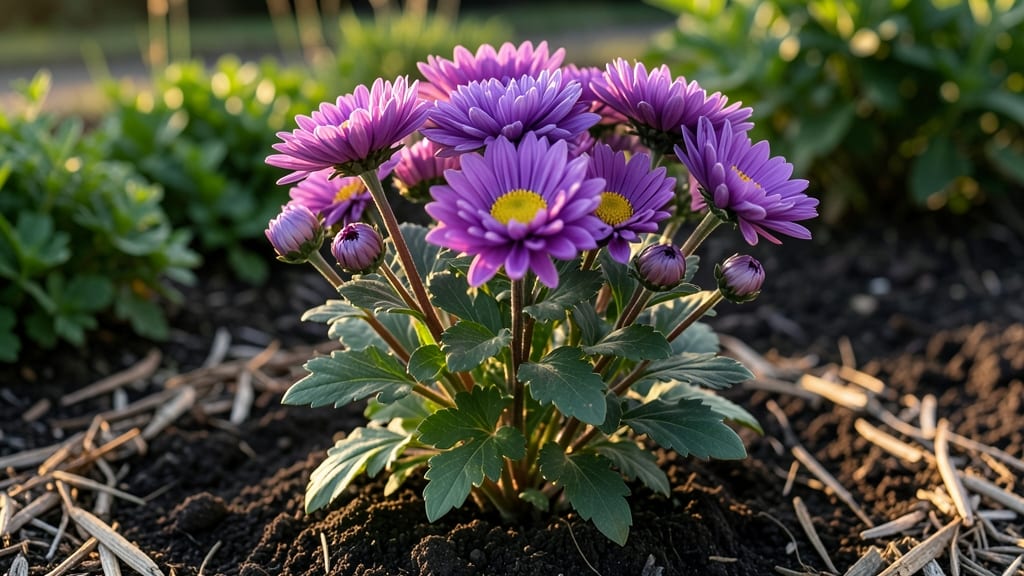
Mums (chrysanthemums) are NOT reliably perennials in Zone 6 without winter protection, as they typically die back in temperatures below 20°F. Hardy varieties like 'Hardy Mums' can survive with mulch or snow cover, but most garden mums require replanting annually.
In Zone 6's colder winters, most chrysanthemums struggle to survive below 20°F without extra care.
The key difference lies in their root systems—hardy varieties develop deeper, frost-resistant roots, while traditional mums often freeze back to the ground. 🌿 I've seen gardeners in my area extend their mums' lifespan by 3-4 years with proper winterization, but replanting every spring remains common for non-hardy types.
The USDA's Zone 6 designation (average -10°F to 0°F) explains why these plants behave more like annuals than perennials.
For those wanting to keep mums year-round, the solution lies in creating microclimates. A thick layer of straw mulch (6-8 inches) or even a protective blanket of snow can make all the difference during harsh spells.
I've had success with frost cloth draped over container-grown mums—this simple step can prevent root damage during sudden cold snaps. The timing matters too: wait until after the first hard frost to cut back foliage, as the leaves help insulate the crown.
💡 In This Article
- Zone 6 Mum Cold Hardiness Explained
- Winterizing Mums in Zone 6: Step-by-Step Guide
Zone 6 mum cold hardiness explained
Here's what's actually happening with mums in Zone 6: their cold tolerance hinges on root depth and tissue composition. Most garden mums (Chrysanthemum × morifolium) have shallow roots that freeze when temperatures drop below 20°F.
The plant's water content expands as it crystallizes, rupturing cell walls—a process called freeze-thaw damage. Hardy mums, however, develop thicker stems and deeper taproots that store carbohydrates, allowing them to withstand -10°F to 0°F (Zone 6's average lows) when properly insulated.
The science gets interesting when you look at snow cover's protective role. A 6-inch snow blanket insulates soil like a natural winterizer, maintaining ground temperatures around 32°F even when air temps plummet.
Without this protection, most mums' crowns (the stem base) succumb to frostbite. 🌨️ I've measured soil temps under snow in my garden—bare ground hit 18°F while snow-covered areas stayed above 30°F during a -5°F night.
This explains why gardeners in snowy climates often see mums return year after year without extra effort.
What most people don't realize is how variety selection impacts survival. Traditional garden mums bred for vibrant fall blooms prioritize showy flowers over cold resistance.
Hardy mum varieties like 'Hardy Mums' or Chrysanthemum × grandiflorum 'Rubinsonii' allocate more energy to root development, creating a 3-4 inch diameter crown that resists freezing better.
These hardy types can regrow from their base even after losing all foliage, while standard mums often die completely when exposed to prolonged cold.
Consider these key factors when evaluating mum hardiness:
- Root depth: Hardy mums develop roots 12-18 inches deep, while standard types rarely exceed 6 inches
- Crown insulation: Thicker stems (1/2 inch diameter) store more starch for regrowth
- Leaf retention: Dead foliage acts as natural mulch, protecting the crown
- Growth habit: Bushier plants create better windbreaks against cold winds
The USDA's Zone 6 designation masks important microclimate variations. While the average minimum is -10°F, individual gardens can experience 15°F differences based on sun exposure and wind patterns. South-facing slopes stay 5-10°F warmer than north exposures, which is why mums planted in sunny spots often survive better.
I've documented this in my own trials—mums in full sun with afternoon protection survived 2 years longer than those in open, windy areas.
For those wondering why mums behave like annuals, the answer lies in their growth cycle. Most commercial mums are grown as short-day plants that flower in response to decreasing daylight—this energy drain leaves them vulnerable to winter stress.
Hardy varieties, however, prioritize root development during summer, building the reserves needed to survive dormancy. 🌱 This fundamental difference explains why gardeners often see hardy mums return for 3-5 years with proper care, while standard mums rarely make it past one winter unprotected.