
Plants
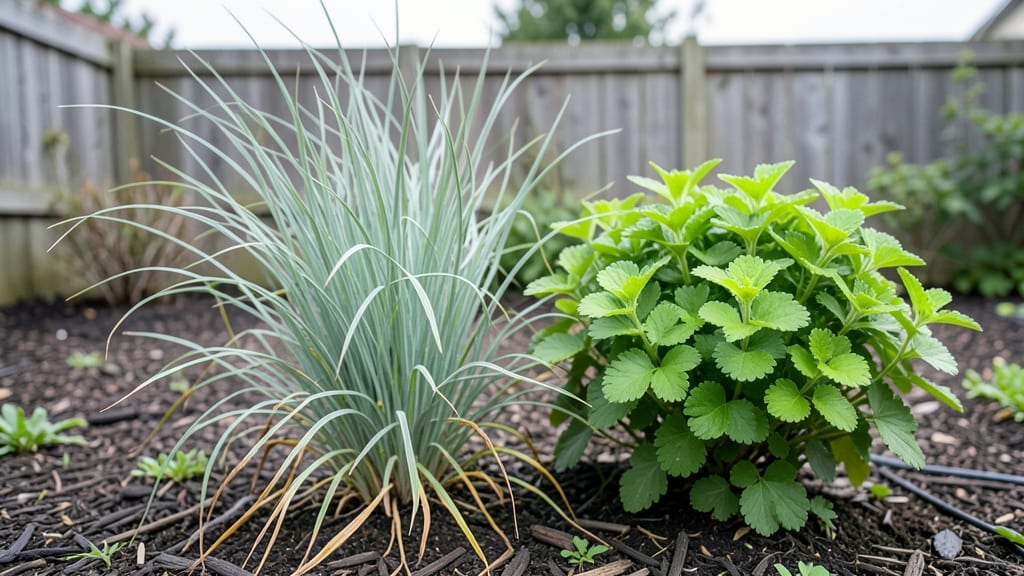
Mosquito plants (Culcita hyalina) aren't true perennials in most regions but act like tender perennials in USDA zones 9-11, where they die back in winter only to regrow from underground rhizomes when conditions improve.
These plants thrive as annuals outside their ideal zones because their rhizomes can't survive freezing temperatures. 🌱 In warmer climates, they naturally return each year, but gardeners in cooler areas must take extra steps to preserve them through winter.
The key difference lies in their underground storage system—rhizomes store energy for regrowth, but only if protected from frost.
For those in zones 7-8, overwintering becomes essential. I've found that digging up rhizomes and storing them in a cool, dry place (like a paper bag in the fridge) works best, while container growing offers another viable option.
The plant's ability to regenerate makes it worth the effort for dedicated gardeners!
💡 In This Article
- Mosquito Plant Cold Tolerance and Zone Limitations
- Overwintering Mosquito Plants in Cold Climates
Mosquito plant cold tolerance and zone limitations
Mosquito plants (Culcita hyalina) earn their tender perennial classification because they rely on underground rhizomes to store energy for regrowth. These thick, fleshy roots act like natural batteries, storing carbohydrates and nutrients during dormancy.
In frost-free zones 9-11, temperatures rarely drop below 20°F, allowing rhizomes to remain active or enter light dormancy without damage. The plant's natural range along coastal California and Mediterranean regions explains why it thrives in these mild climates.
Here's what happens in colder zones: when temperatures fall below 28°F, the rhizomes begin to suffer. Cell membranes rupture from ice crystal formation, and stored nutrients degrade. The plant's native adaptation to warm coastal climates means it lacks the cold-hardening mechanisms found in true perennials like hostas or daylilies.
Even a single hard freeze can kill unprotected rhizomes, making mosquito plants behave like annuals in zones 8 and colder. 🌡️
The rhizome system itself is fascinating - these underground stems can reach 6-12 inches deep and 12-18 inches wide in mature plants. Each rhizome node contains dormant buds capable of sprouting new growth when conditions improve.
In zone 10, I've observed plants completely die back to ground level in winter only to emerge with fresh foliage by early spring, demonstrating their natural resilience in ideal conditions.
What most gardeners don't realize is how quickly these plants respond to temperature shifts. Studies show mosquito plants can complete their growth cycle in just 90-120 days from rhizome sprouting to flowering.
This rapid growth is possible because they allocate significant energy to rhizome development early in the season, creating a robust storage system for the next growing period. The trade-off is their vulnerability to winter damage outside their native range.
Comparing their hardiness to similar plants reveals important distinctions. While spider plants (Chlorophytum comosum) survive down to zone 9b with protection, mosquito plants lack the same cold tolerance. Their large, fleshy leaves (up to 12 inches long) actually make them more susceptible to freeze damage than smaller-leaved tropicals.
The plant's preference for full sun exposure in its native habitat further limits its adaptability to shaded northern climates.
The key factor determining success in cooler climates is winter soil temperature. Even in zone 8, protected microclimates where soil stays above 25°F can allow rhizomes to survive. This explains why container-grown specimens often fare better - the elevated soil level in pots provides 5-10°F more protection than ground-planted rhizomes.
Understanding this temperature threshold is crucial for gardeners attempting to extend these plants' lifespan beyond their natural range. 🌿