
Plants
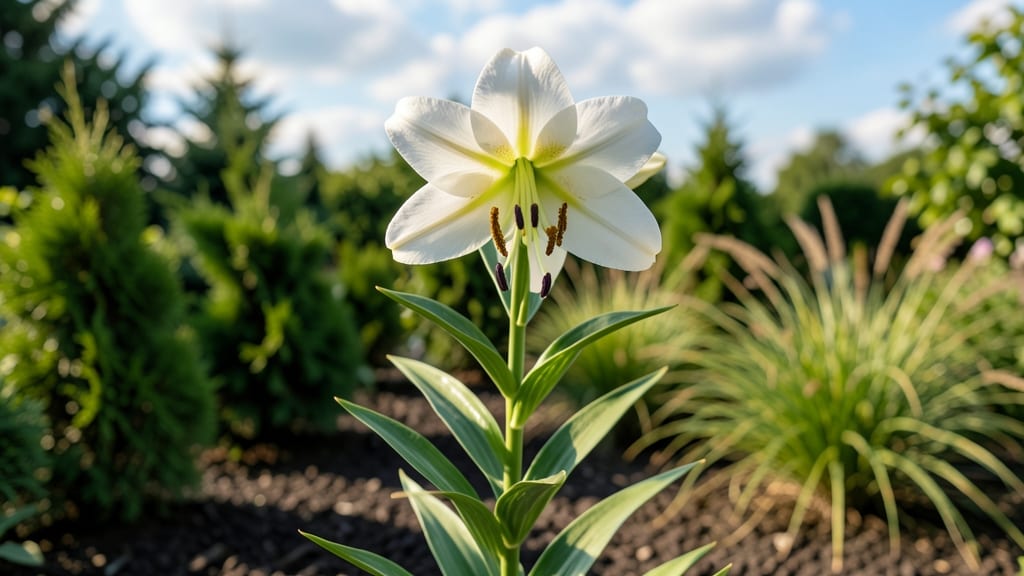
Lily plants are perennials in most climates, regrowing from bulbs each spring after dying back in winter, though cold-hardy varieties like Lilium canadense survive freezing temperatures better than tropical lilies, which may need winter protection or indoor care.
Lily plants return year after year because their underground bulbs store energy during dormancy, allowing them to sprout fresh foliage and blooms in spring. 🌱 The key difference between true lilies (Lilium) and daylilies (Hemerocallis) lies in their hardiness—while most lilies thrive in USDA zones 3-9, tropical varieties need special care to survive winter.
I’ve seen firsthand how proper mulching can protect bulbs down to 10°F, making even cold-sensitive types like Lilium longiflorum more manageable in containers.
This perennial behavior means you’ll get multiple seasons of blooms from the same planting, though some varieties may decline after 3-5 years without division. The trade-off? Their striking flowers make the effort worthwhile—just choose the right type for your climate zone.
💡 In This Article
- Perennial Lily Growth Cycles Explained
- Cold-Hardy Lily Varieties for Year-Round Gardens
Perennial lily growth cycles explained
The perennial nature of lilies hinges on their underground bulbs, which act as biological batteries storing starches and nutrients. During winter dormancy, these bulbs—often the size of a softball or larger—enter a state of metabolic slowdown, reducing water loss and energy expenditure.
This dormancy period, typically lasting 3-5 months in colder climates, is crucial for survival. The bulbs' protective outer scales prevent desiccation, while inner tissues remain hydrated enough to sprout when temperatures rise above 50°F in spring.
Here's what's actually happening underground: As daylight increases, the bulbs' meristematic cells (growth centers) activate, producing new shoots that push through the soil. This regrowth is fueled by stored reserves, with some varieties like Lilium canadense capable of producing 2-3 new shoots per bulb.
The timing varies by species—temperate lilies like Lilium superbum emerge in early spring, while tropical types may wait until soil reaches 60°F. 🌱 The key difference between true lilies (Lilium) and daylilies (Hemerocallis) lies in their bulb structure: lilies have true bulbs with layered scales, while daylilies have rhizomes that spread horizontally.
Temperature zones (USDA 3-10) dramatically influence this cycle. In zones 3-6, hardy species like Lilium martagon (Turk's cap lily) survive winters with ground temperatures down to -30°F, thanks to antifreeze proteins in their cells that prevent ice crystal formation.
Meanwhile, tropical lilies (Lilium longiflorum) in zones 8-10 may suffer bulb rot if exposed to below 20°F temperatures. This explains why gardeners in transitional zones often use 12-inch mulch layers or container growing to protect sensitive varieties.
What most people don't realize is that lilies have a built-in aging mechanism. After 3-5 years, the mother bulb's energy reserves deplete, and daughter bulbs (offsets) must take over. This is why dividing clumps every 3-4 years revitalizes growth—each new bulb has fresh energy stores.
The trade-off? Some hybrid lilies lose vigor faster due to their complex genetics, which prioritize showy blooms over bulb longevity. 💫 For example, Lilium 'Stargazer' may decline after just 2-3 years without division.
Daylilies (Hemerocallis) buck this trend with their rhizomatous growth habit, allowing them to spread indefinitely without division. Their above-ground foliage also dies back in winter, but their underground stems remain active year-round in zones 3-9.
This makes them more adaptable than true lilies, which rely entirely on bulb dormancy. The lesson? Choose your lily based on both climate and growth habit—bulb-based lilies need winter protection, while daylilies offer low-maintenance perennial behavior.
Seasonal regrowth timing provides another clue to a lily's hardiness. Early bloomers like Lilium canadense emerge when soil is still cool (45-50°F), while late varieties wait until 60°F. This adaptation prevents frost damage to tender new shoots.
In my own garden, I've observed that lilies planted in full sun regrow 2-3 weeks earlier than those in partial shade due to warmer soil temperatures. The takeaway? Site selection matters as much as variety choice for perennial success.