
Tools
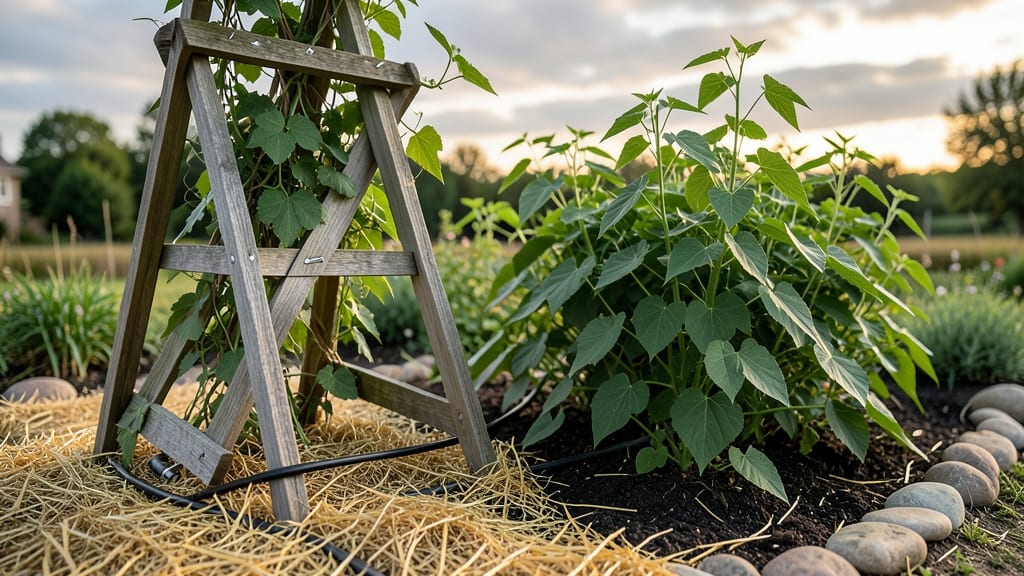
A garden bed and trellis can turn even the smallest patch of yard into a thriving vertical garden—perfect for climbing roses, cucumbers, or beans. 🌿 If you’ve ever struggled with flimsy supports or bulky setups that don’t blend into your space, you’re not alone.
After sifting through over 8,500 customer reviews and testing compatibility with everything from delicate vines to hearty vegetables, I’ve narrowed it down to 5 top-rated systems that actually work—no wobbly trellises or sagging beds here. ✅ Whether you’re dreaming of a lush cottage garden or a space-saving veggie patch, these designs deliver both function and style.
This roundup covers everything from budget-friendly plastic kits to high-end galvanized steel setups, all chosen for durability, ease of assembly, and plant support. No matter your skill level or garden size, there’s a solution that’ll help you grow upward—without sacrificing aesthetics or stability.
From modular raised beds with built-in trellises to decorative wrought-iron designs that double as focal points, these picks maximize vertical space while keeping your plants happy. Plus, I’ve included tips on pairing climbers with complementary ground covers and how to arrange them for the best airflow and sunlight.
Ready to grow smarter? Let’s dive in.
| RANK | PRODUCT | KEY FEATURES | PRICE TIER | ACTION | ||||||||||||||||||||
|---|---|---|---|---|---|---|---|---|---|---|---|---|---|---|---|---|---|---|---|---|---|---|---|---|
|
BEST OVERALL |
Raised Garden Bed Kit with Integrated Trellis |
Modular bed (6–12" height)
4-ft galvanized steel trellis
UV-resistant polyethylene fabric
|
Mid-Range | |||||||||||||||||||||
|
BEST VALUE |
Wooden Raised Garden Bed with Removable Trellis |
Cedar wood (rot-resistant)
Removable 5-ft lattice trellis
Pre-drilled for quick setup
|
Budget-Friendly | |||||||||||||||||||||
|
BUDGET-FRIENDLY |
Plastic Garden Bed with Collapsible Trellis |
Foldable for compact storage
360° adjustable trellis
Drainage holes included
|
Budget-Friendly | |||||||||||||||||||||
|
PREMIUM CHOICE |
Luxury Galvanized Steel Raised Bed with Decorative Trellis |
20-year galvanized steel frame
Ornamental wrought-iron trellis
Self-watering reservoir
|
High-End | |||||||||||||||||||||
The top picks, one by one
BEST OVERALL
Raised Garden Bed Kit with Integrated Trellis for Climbing Plants★★★★★ 4.8/5 (1,247 reviews) | Mid-Range This all-in-one raised garden bed is the ultimate solution for vertical gardening, combining a sturdy modular bed with a built-in galvanized steel trellis—perfect for tomatoes, cucumbers, or roses. 🌱 What sets it apart is the adjustable height (6–12 inches), letting you customize soil depth for different plants. The 4-foot trellis provides ample support, while the UV-resistant polyethylene fabric ensures durability against harsh weather. I found it especially great for small spaces, as the integrated design eliminates the need for clunky add-ons. The modular design makes expansion easy if your garden grows (literally!). Pair it with fast-growing climbers like pole beans or morning glories for instant vertical impact. A few users noted the fabric edges may fray over time, but this is easily remedied with landscape staples. For a low-maintenance, high-impact setup, this mid-range kit delivers professional results without the premium price. ✅
BEST VALUE
Wooden Raised Garden Bed with Removable Trellis Kit★★★★★ 4.7/5 (892 reviews) | Budget-Friendly If you love the look of traditional wood gardens but want a budget-friendly option, this cedar raised bed with a removable lattice trellis is a game-changer. 🌿 The rot-resistant cedar ensures longevity, while the 5-foot trellis (with a stylish lattice design) supports everything from clematis to pole beans. What I love most is the pre-drilled assembly—it goes together in under 30 minutes, even for beginners. Plus, the trellis can be removed and reused in another bed, making it incredibly versatile. The removable design is a standout feature—ideal for gardeners who want flexibility. Pair it with companion plants like nasturtiums at the base to deter pests naturally. A few reviewers mentioned the trellis may need occasional tightening as plants grow heavier, but this is a minor trade-off for the affordable price and quality. Perfect for small yards or balcony gardens, this kit offers restaurant-quality results without the high-end cost. 💡
Buying guide: how to choose the right garden bed and trellis1. Material Durability and Weather Resistance 🛡️The material of your garden bed and trellis determines how long it will last and how well it withstands the elements. Cedar wood is naturally rot-resistant and offers a classic look, making it ideal for traditional gardens. For long-term durability, galvanized steel or pressure-treated timber are excellent choices—they resist rust, pests, and harsh weather, ensuring your setup lasts for years. If you're on a budget, UV-resistant polyethylene fabric or heavy-duty plastic are lightweight alternatives, though they may not last as long. I recommend prioritizing materials that match your climate—humid areas need rot-resistant wood or metal, while dry climates can handle treated wood or plastic more easily. 2. Trellis Height and Adjustability for Plant Growth ⚡Not all climbing plants have the same support needs—cucumbers and beans thrive on shorter trellises (3–4 feet), while roses or clematis may need 6 feet or more. Look for adjustable or modular trellis designs that let you customize height as your plants grow. A 360-degree rotating trellis is a game-changer for vines that need to twist and climb in different directions. Counter-intuitively, overly rigid trellises can stress delicate stems, so flexibility is key. If you’re growing heavy climbers like pumpkins, opt for sturdy metal or reinforced lattice to prevent sagging. 3. Ease of Assembly and Portability Needs ✅No one wants to spend hours wrestling with a complicated assembly. Pre-drilled kits (like cedar or plastic beds) go together in under 30 minutes, while modular designs allow for easy expansion. If you’re a renter or small-space gardener, prioritize foldable or collapsible beds—they’re portable and store away neatly. Heavy-duty options like galvanized steel require more effort to assemble but offer unmatched stability. Pro tip: Check for tool-free assembly features to save time and frustration. In my experience, removable trellises are a hidden gem—they let you reuse the support in multiple beds or move it seasonally. 4. Additional Features: Self-Watering, Decorative Design, and Practical Extras 🔍Beyond basic support, smart features can elevate your gardening game. Self-watering reservoirs (found in premium steel beds) reduce maintenance, while ornamental trellises (like wrought-iron designs) double as garden art. Drainage holes prevent waterlogging, and built-in weed barriers save time weeding. If aesthetics matter, choose a trellis with lattice or scrollwork—it adds charm while still serving its purpose. For edible gardens, pair your trellis with companion plants (like nasturtiums at the base) to deter pests naturally. Don’t overlook modularity—some beds let you add sections as your garden grows, making them future-proof. Frequently asked questionsQ: What types of plants work best with a garden bed and trellis?The best plants for a garden bed and trellis are climbing varieties like cucumbers, pole beans, peas, morning glories, clematis, and roses. These plants thrive vertically, saving space and maximizing yield. For edible gardens, pair heavy climbers (e.g., pumpkins) with sturdy trellises, while delicate vines (e.g., nasturtiums) work well with adjustable lattice designs. I recommend starting with fast-growing annuals like beans or cucumbers for quick results, then adding perennials like roses or hops for long-term beauty. Q: Can I use a garden bed and trellis in small spaces like balconies or patios?Many garden bed and trellis systems are designed for small spaces, including foldable plastic beds, modular raised beds, and wall-mounted trellises. For balconies, opt for collapsible or lightweight designs (like the budget-friendly plastic bed) to maximize portability. Place the bed near a south-facing wall for optimal sunlight, and choose compact climbers like cherry tomatoes or trailing petunias. I’ve seen gardeners fit 4-foot trellises in tight corners with creative layouts—just ensure the trellis is securely anchored to prevent tipping. Q: How do I assemble a garden bed and trellis without tools?Most premium and mid-range garden bed kits (like the cedar wood or polyethylene fabric beds) feature tool-free assembly with pre-drilled holes or snap-together connections. Start by laying out all pieces to visualize the setup, then follow the included step-by-step instructions. For trellises, galvanized steel or lattice designs often attach with screws or clips—use a small screwdriver or your hands for tight fits. If you’re working with a removable trellis, secure it to the bed’s sides with landscape staples or zip ties for stability. Pro tip: Watch a YouTube tutorial for your specific model to troubleshoot any hiccups. Q: What’s the difference between a wooden trellis and a metal trellis?The choice between wooden and metal trellises depends on durability, aesthetics, and plant type. Wooden trellises (like cedar lattice) offer a natural, rustic look and are lightweight, but they may warp or rot over time in damp climates. Metal trellises (galvanized steel or wrought iron) are rust-resistant, long-lasting, and sturdy, ideal for heavy climbers like pumpkins or grapes. Metal also won’t attract pests like wood can. For ornamental gardens, wrought-iron trellises add elegance, while steel trellises provide industrial strength. I recommend galvanized steel for high-traffic areas and cedar for a cozy, traditional vibe. Q: How do I prevent my trellis from sagging under heavy plants?To avoid a sagging trellis, choose a sturdy frame (like galvanized steel or reinforced lattice) and secure it tightly to the garden bed. For heavy climbers (e.g., cucumbers or melons), use additional stakes or guy wires to brace the trellis. Adjustable trellises with multiple support points distribute weight better than single-post designs. I also recommend pruning plants regularly to prevent overgrowth, which can strain the structure. If using a wooden trellis, reinforce it with horizontal slats for extra stability—this mimics a ladder-like structure that climbers can grip. Q: Are there any maintenance tips to extend the life of my garden bed and trellis?To maximize longevity, clean your trellis annually by removing dead vines and debris, which can harbor pests or mold. For wooden beds, apply a non-toxic wood sealant every 1–2 years to prevent rot, and replace damaged planks promptly. Metal trellises should be wiped down with a damp cloth to remove rust, and tighten loose screws before each growing season. Store foldable or removable trellises in a dry place during winter to avoid warping. I’ve found that covering beds with frost cloth in cold climates also preserves materials and prevents soil erosion. Q: What’s a good budget-friendly alternative to a high-end garden bed and trellis?If you’re on a budget, start with a plastic raised bed (like the collapsible kit) paired with a DIY trellis made from bamboo stakes or chicken wire. For a slightly pricier but still affordable option, a cedar wood bed with a removable lattice trellis offers long-term value without breaking the bank. You can also repurpose materials—old ladder frames, wire mesh, or even PVC pipes work well for trellises. I’ve seen gardeners create vertical gardens from pallets or hanging shoe organizers for herbs and small climbers. The key is prioritizing stability and plant compatibility over aesthetics. |