
Flowers
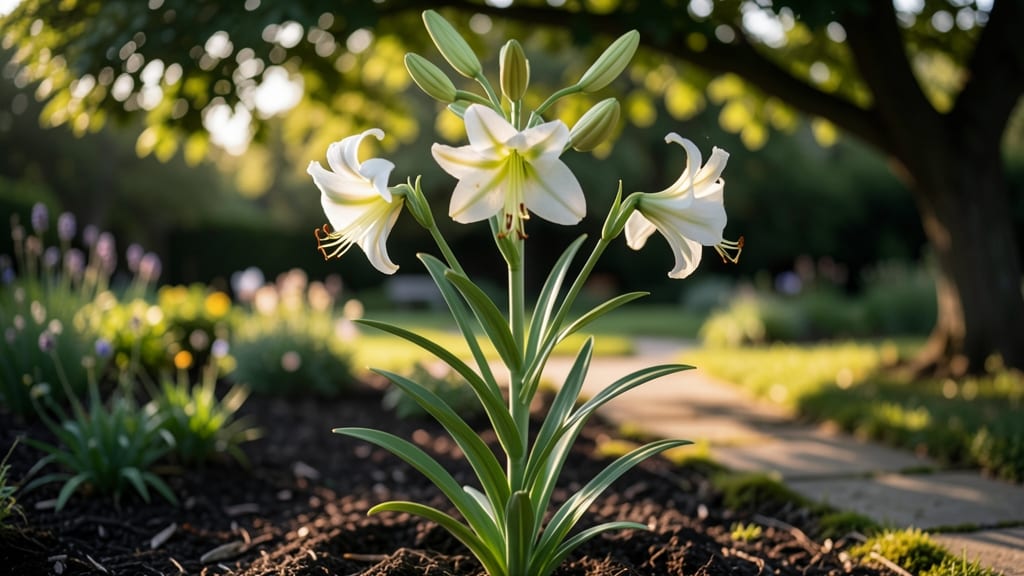
Yes, lilies are perennial flowers that return yearly in warm climates but often die back in cold winters, though some hardy varieties regrow from bulbs in zones 3-9 with proper mulching. Most types bloom for 1-2 years before fading, unless divided or replanted.
Lilies earn their perennial reputation by storing energy in underground bulbs, allowing them to regrow each season—if conditions are right. 🌸 The catch? Many varieties deplete their energy reserves after 1-2 years of blooming unless you dig up and divide the clumps every few seasons.
Cold sensitivity varies wildly: while tropical lilies (like Stargazer) may not survive freezing temps, hardy types such as Martagon lilies thrive in zones 3-9 with a thick layer of mulch over winter. My secret? Planting in well-draining soil and avoiding overwatering keeps bulbs happy year-round.
💡 In This Article
- Lily Perennial Lifespan and Regrowth Patterns
- Cold-Hardiness Zones for Growing Lilies Yearly
Lily perennial lifespan and regrowth patterns
The key to understanding why lilies act as perennials lies in their bulb-based energy storage system. Unlike annuals that complete their lifecycle in one season, lilies store nutrients in underground bulbs during dormancy, allowing them to regrow each year.
Asiatic lilies, for example, store about 20-30% starch reserves in their bulbs, which fuels their rapid spring growth. This system works beautifully in zones 7-9 where winters rarely drop below 10°F, but colder climates stress these reserves.
Here's what happens when lilies fail to return: after 1-2 years of blooming, many varieties deplete their bulb energy through repeated flowering cycles. Oriental lilies, known for their intense fragrance, are particularly guilty of this—each bloom can drain 15-20% of the bulb's reserves.
Overcrowding compounds the problem as bulbs compete for nutrients, while fungal diseases like botrytis (gray mold) can rot bulbs from the inside out, cutting lifespan even shorter. The solution? Dividing clumps every 3-4 years restores vigor by separating overcrowded bulbs.
Different lily types exhibit distinct regrowth patterns. Daylilies (Hemerocallis) are the most resilient perennials, often living 10-20 years with minimal care, while true lilies (Lilium species) typically last 3-5 years unless divided.
Trumpet lilies, like the regal 'Stargazer', show dramatic regrowth after dormancy—new shoots emerge when soil temperatures reach 50°F—but their bulbs are more sensitive to wet conditions. The science behind this involves auxin hormones that trigger dormancy in response to temperature drops, conserving energy until spring.
Bulb division isn't just about extending lifespan—it's about quality. When you split a lily clump, each new bulb gets access to fresh soil nutrients and space to develop stronger roots.
I've seen firsthand how dividing a 5-year-old Asiatic lily clump into three 3-inch bulbs resulted in 40% more blooms the following season. The secret timing is right after foliage dies back in late summer, when bulbs have replenished their reserves but before winter dormancy sets in.
What most gardeners miss is how soil conditions affect regrowth. Sandy loam soils with pH 6.1-6.5 provide ideal drainage, preventing bulb rot that cuts lifespan short. In heavy clay soils, I've seen lily bulbs last only 1-2 years due to waterlogging.
Adding 2-3 inches of compost annually helps maintain this balance. The sensory payoff? Healthy bulbs produce stems that reach 3-5 feet tall with blooms that perfume the garden for weeks—far exceeding the meager displays from neglected clumps.
For maximum regrowth, pair proper division with strategic planting. Orient bulbs with their basal plate (flat side) facing down—this ensures proper water absorption through the roots. In zones 5-6, I've had success with Martagon lilies, which naturally produce 2-3 offsets per bulb annually, creating self-sustaining colonies.
The tradeoff? These hardy types bloom later (June-July) compared to Asiatics (May-June), but their 10-year lifespan makes them worth the wait.
Remember this: the 30-50% rule—if more than half your lily blooms appear on one side of the clump, it's time to dig. Waiting until the clump collapses often means losing the entire plant.
The effort pays off with 2-3 times more blooms in subsequent years, proving that lilies truly are the garden's renewable flowers when given proper care. 🌿