
Flowers
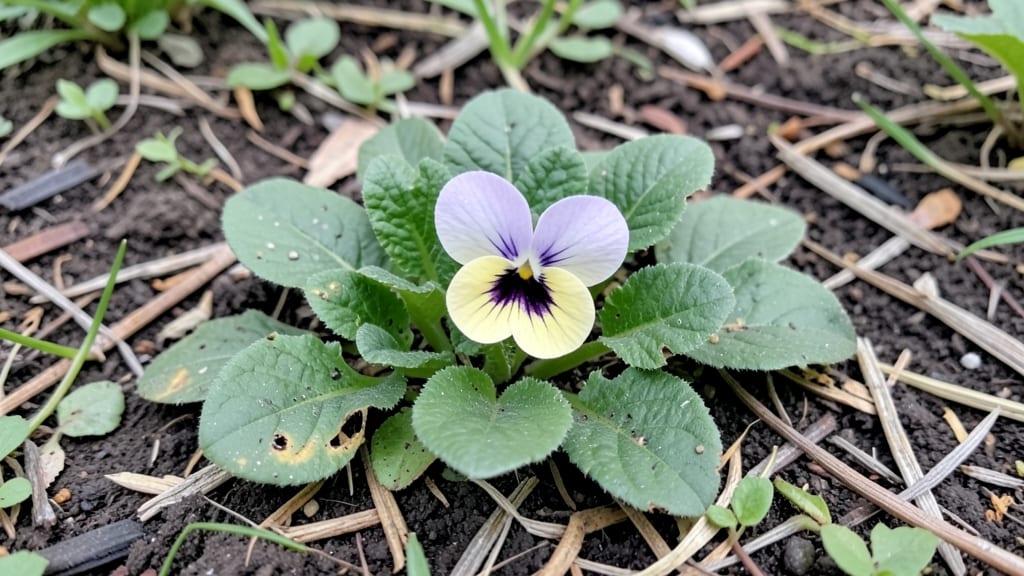
Johnny Jump-Ups are not true perennials in most climates, as they typically die back after frost but often self-seed prolifically, returning each year naturally. In warmer zones (USDA 7-10), they may persist as short-lived perennials or annuals depending on winter conditions.
Johnny Jump-Ups behave like annuals in colder regions because their foliage freezes back to the ground during frost, but their roots often survive underground. 🌱 What keeps them coming back is their aggressive self-seeding habit—dropping thousands of seeds that sprout the following spring.
In milder climates (USDA 7-10), some varieties may overwinter successfully, especially if protected by mulch or snow cover.
This dual behavior explains why gardeners in cooler zones still enjoy year-after-year blooms without replanting. The key difference lies in temperature thresholds: while most Johnny Jump-Ups won't survive harsh winters, certain cultivars like Viola cornuta can handle light frosts better than others.
Understanding these patterns helps you choose varieties that best fit your local growing conditions.
💡 In This Article
- Johnny Jump-Up Lifespan and Seasonal Behavior
- How to Extend Johnny Jump-Ups’ Seasonal Growth
Johnny Jump-up lifespan and seasonal behavior
The reason Johnny Jump-Ups act like annuals in cold climates comes down to their frost sensitivity. These plants enter a state of dormancy when temperatures drop below 28°F (-2°C), but their above-ground growth dies back completely.
The key difference from true perennials is that Johnny Jump-Ups don't have thick, insulated root crowns to survive winter—just fibrous roots that may persist if protected by soil insulation. 🌿 In zones colder than USDA 6, even these roots often succumb to freeze-thaw cycles, explaining why they disappear entirely each winter.
What keeps them returning is their explosive seed production. A single Johnny Jump-Up plant can release up to 10,000 seeds per season! These seeds remain viable in the soil for 3-5 years, germinating when conditions are right.
The plant's self-seeding strategy compensates for its lack of winter hardiness—each seed contains a tiny root system that can establish quickly in spring. This explains why gardeners often find new plants popping up annually without any intervention.
In warmer climates (USDA 7-10), the story changes dramatically. Here, Johnny Jump-Ups may behave more like short-lived perennials because their roots often survive mild winters. The critical threshold is 15°F (-9°C)—below this, even protected plants struggle.
What makes the difference? Mulch depth of 3-4 inches can raise soil temperatures by 5-10°F, creating a microclimate that protects roots. Some cultivars like Viola cornuta have evolved thicker stems that handle light frosts better, giving them a slight perennial advantage.
The science behind this involves photoperiod response. Johnny Jump-Ups detect shortening daylight in fall, triggering seed production before winter. In cold zones, this ensures genetic survival through seeds. In warm zones, the same mechanism creates a two-year lifespan: first year establishes roots, second year produces flowers and seeds.
The plant's ability to reallocate nutrients from leaves to roots in fall explains why some varieties persist year after year in mild winters.
Here's what this means for gardeners: In cold zones, self-seeding is your friend—let plants go to seed for next year's display. In warm zones, mulching in fall (with straw or leaves) can extend perennial-like behavior.
The 28°F threshold is your guide: anything colder means annual behavior, while consistent above-freezing winters may reward you with returning plants. 🌸
What most people don't realize is that Johnny Jump-Ups' flowering time also affects their survival. Plants that bloom early in spring have more time to establish roots before summer heat, giving them a better chance to overwinter.
This explains why spring-sown seeds often produce hardier plants than fall plantings in marginal climates.