
Orchid Care
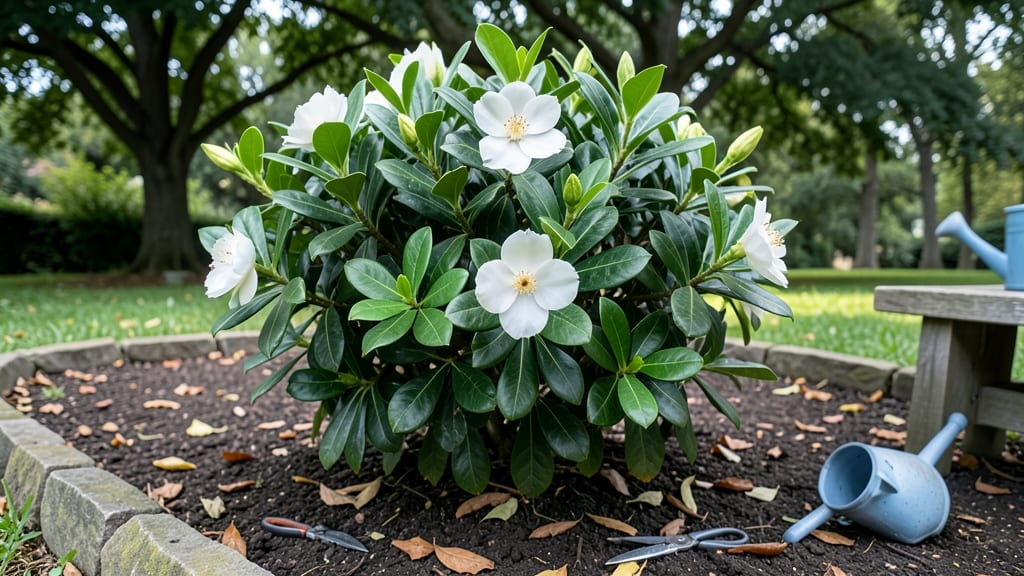
Gardenias are perennials in warm climates like USDA zones 7-11, where they thrive year-round, but act as annuals in colder zones (below 10°F) unless protected or grown in containers. Their evergreen foliage and tropical nature demand frost-free conditions to survive winter.
Gardenias' tropical origins explain why they struggle in colder regions. 🌿 In zones 7-11, their deep root systems and glossy leaves evolve to handle consistent warmth and humidity, but temperatures below 28°F trigger irreversible damage.
That's why gardeners in colder areas often treat them as seasonal plants unless they take protective measures. The key difference lies in their ability to regrow from established roots—perennials in mild climates, but annuals when exposed to prolonged frost.
For those in freezing zones, the solution lies in strategic overwintering. Moving potted plants to sheltered areas or using thick mulch around in-ground plants can extend their lifespan.
I've seen gardeners in zone 5 successfully overwinter gardenias by bringing containers indoors before the first frost and providing supplemental grow lights to maintain their flowering cycles.
💡 In This Article
- Gardenia Plant Hardiness Zones Explained
- Winter-Proofing Gardenias in Cold Climates
Gardenia plant hardiness zones explained
Here's what's actually happening in those USDA zones: gardenias thrive as perennials in zones 7-11 because their native tropical habitat evolved for consistent temperatures above 60°F year-round.
The magic number for survival is 28°F—when temperatures drop below this, cellular damage occurs in their leaves and roots, leading to irreversible harm. In zone 7, gardenias can handle brief dips to 10°F if acclimated, but prolonged exposure to frost triggers leaf burn and root rot.
The science behind this involves their thick, waxy leaves designed to conserve moisture in humid climates. These leaves contain 2-3% essential oils that protect against pests but also make them highly sensitive to cold.
When frost hits, these oils crystallize, rupturing cell walls and causing the characteristic brown spots. 🌱 The root systems, which can extend 2-3 feet deep in ideal conditions, become dormant below 50°F—but freeze-thaw cycles disrupt this natural process, killing the plant.
Flowering cycles are directly tied to temperature too. Gardenias need 60-80°F days to bloom, and cold snaps below 50°F for more than 24 hours can halt flower production entirely. That's why you'll see gardenias in zone 10 flowering year-round while those in zone 7 only bloom in summer.
The plant's metabolism slows dramatically below 55°F, which is why winter care becomes critical in marginal zones.
What most people don't realize is how humidity plays a supporting role. Gardenias require 50-70% humidity to thrive—their thick leaves transpire water constantly, and cold dry air accelerates moisture loss.
In zone 8, where winters are mild but can drop to 20°F, gardenias often survive because the higher humidity buffers temperature swings. This is why container-grown gardenias in cold climates need extra attention to moisture levels during winter.
Let's look at the zone-by-zone breakdown: in zone 11 (no frost risk), gardenias grow as robust perennials with minimal care. By zone 9, they handle brief 30°F dips but need protection from prolonged cold.
Zone 8 gardenias often survive winters if planted in sheltered microclimates, while those in zone 7 require 3-4 inches of mulch and south-facing locations. The transition from perennial to annual behavior occurs around zone 6, where winter survival becomes unreliable without active protection.
The tropical adaptation story goes deeper: gardenias originate from Southeast Asia where annual rainfall exceeds 100 inches and temperatures rarely drop below 65°F. Their inability to handle frost stems from evolutionary adaptations for warm, humid environments—traits that become liabilities in colder climates.
This is why gardeners in zone 5 often treat them as annuals, replanting each spring from cuttings rather than attempting overwintering.