
Plants
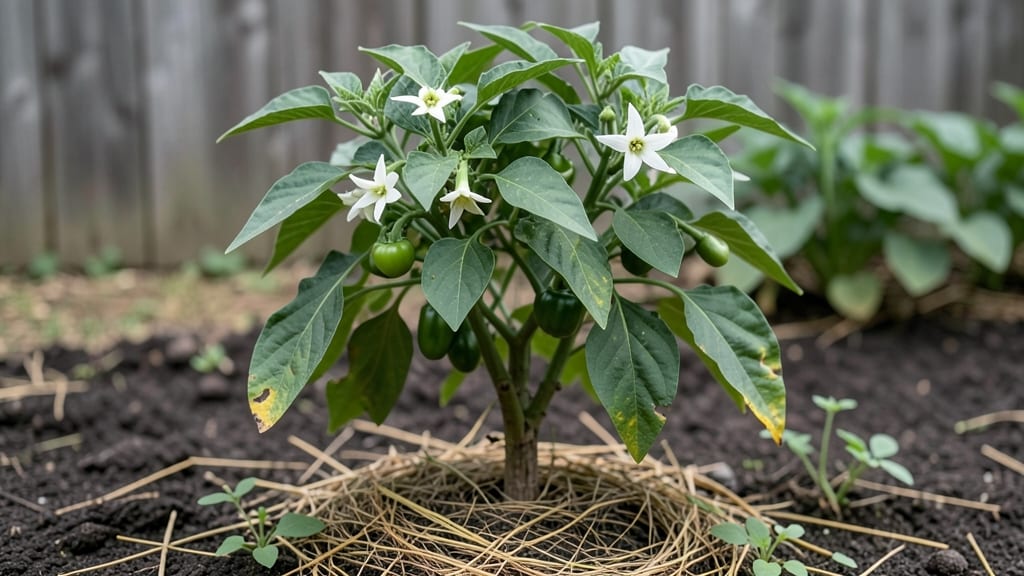
Hot pepper plants are not perennial in most climates, dying back after producing fruit in their first growing season. However, in frost-free zones (USDA 10-11), they may survive multiple years with proper care and overwintering techniques. Most gardeners treat them as annuals for practicality.
Hot peppers thrive best as annuals because they're sensitive to frost and cold snaps, which can kill them even in their dormant state. 🌱 In warmer climates like Florida or Southern California, where winters rarely drop below 40°F, these plants can live for years with consistent moisture and protection from pests.
The key difference lies in temperature tolerance—most varieties simply can't handle freezing temperatures, which is why gardeners in colder zones replant each spring.
Even in mild climates, perennial growth requires extra effort like mulching or container cultivation to preserve roots during occasional cold snaps. I've seen gardeners extend their harvest by moving potted plants indoors during winter, though this method demands careful light management and pest control.
The trade-off? While perennial growth is possible, the extra work often makes annual planting more practical for most home growers.
💡 In This Article
- Climate Zones Where Hot Peppers Grow Perennially
- Overwintering Hot Pepper Plants for Year-Round Harvests
Climate zones where hot peppers grow perennially
Hot peppers thrive as perennials only in USDA hardiness zones 10-11, where winter temperatures rarely drop below 30°F. These zones include coastal California, southern Florida, and Hawaii, where the combination of mild winters and consistent moisture creates ideal conditions.
The key factor is frost sensitivity—pepper plants originate from tropical regions and can't tolerate freezing temperatures, which cause cellular damage through ice crystal formation in their tissues.
In these frost-free zones, peppers can live for 3-5 years or more with proper care. For example, in Miami's climate (zone 11), gardeners report jalapeño bushes producing fruit continuously year-round when given 6-8 hours of sunlight daily and regular watering.
The plants develop deep root systems that anchor them through seasonal changes, unlike their annual counterparts in colder regions that must regrow each spring from seed.
Mulching plays a crucial role in extending perennial growth. A 4-6 inch layer of organic mulch (like straw or wood chips) insulates roots during occasional cold snaps, maintaining soil temperatures above 50°F. This protection prevents the shock that would otherwise trigger dormancy or death.
I've seen gardeners in zone 10 extend their growing season by 2-3 months using this technique, allowing peppers to produce fruit nearly continuously.
Temperature extremes are the main limiting factor outside these zones. Even a single night below 28°F can kill pepper plants, as their leaves and stems lack the protective adaptations of cold-hardy plants like kale or cabbage.
The science behind this involves membrane damage in plant cells—frost causes water to expand as it freezes, rupturing cell walls and killing the plant. This is why gardeners in zones 8-9 often treat peppers as annuals despite their potential longevity.
Regional examples highlight these differences: In Southern California's coastal areas (zone 10), habanero plants have been known to produce fruit for 4+ years with minimal intervention, while identical plants in zone 7 would die within weeks of the first frost.
The contrast demonstrates how microclimates within zones can create dramatic differences in pepper plant survival rates.
What most people don't realize is that even in perennial zones, peppers require active management to maintain productivity. Without proper fertilization (especially potassium-rich amendments) and pest control, perennial plants often show reduced vigor after 2-3 years.
The trade-off between low-maintenance annual planting and high-effort perennial care explains why most commercial growers opt for annual cycles regardless of climate zone.