
Vegetables
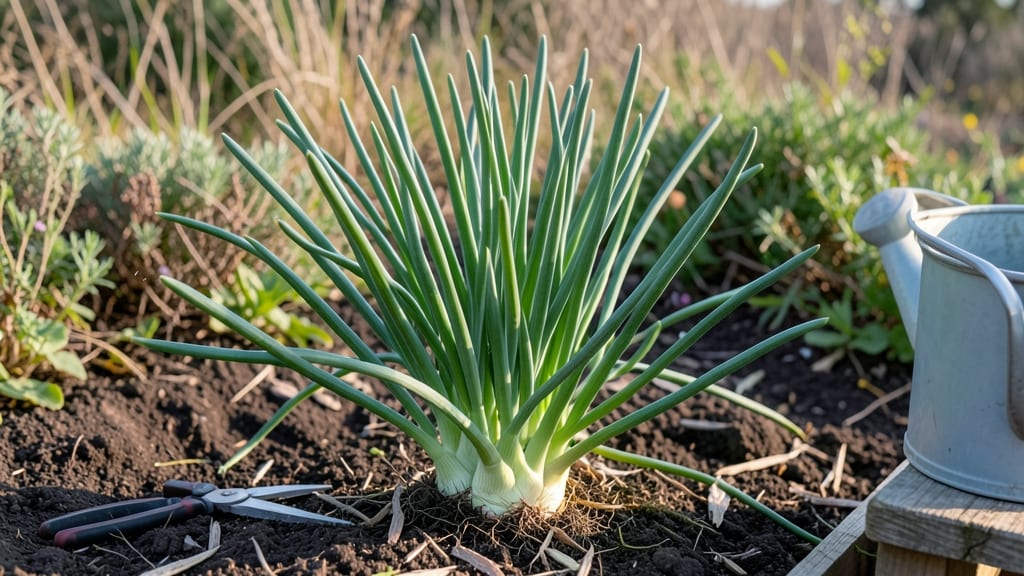
Green onions are perennials, meaning they can regrow from the same root system year after year—but most gardeners treat them as annuals because cold weather kills the tops, forcing regrowth only in warmer climates. In frost-free zones, they'll happily return with proper care.
Botanically speaking, green onions (or scallions) are hardy perennials that thrive in mild climates, sending up fresh shoots from their underground bulbs when conditions are right. 🌱 The confusion comes from how they behave in colder regions—the aboveground growth often freezes back to the ground, making them seem like annuals.
I’ve seen gardeners in Zone 7 successfully harvest the same plants for three years straight by protecting them with mulch during winter.
What sets them apart is their ability to regenerate from just the base bulb, even if you’ve harvested them down to the soil line. This makes them one of the most resilient vegetables for continuous harvests—just give them consistent moisture and well-draining soil.
The key is understanding your local frost patterns: in areas with mild winters, you’ll get multiple harvest cycles naturally.
💡 In This Article
- Green Onion Growth Cycle in Different Climates
- Year-Round Green Onion Cultivation Tips
Green onion growth cycle in different climates
Green onions belong to the Allium family, sharing their perennial nature with onions, garlic, and leeks. Their underground bulb contains dormant meristematic cells—growth centers that remain active even when the aboveground foliage dies back.
In frost-free tropical zones (like Florida or Hawaii), these bulbs continue producing 3-5 inches of new growth every 3-4 weeks year-round, with no dormancy period. The key difference? In colder climates, temperatures below 25°F trigger dormancy by slowing cellular respiration in the bulb's base.
The regrowth mechanism works like a biological reset button. When temperatures rise above 50°F in spring, the bulb's apical meristem (growth tip) reactivates, pushing up new shoots through the soil.
This process is called basal sprouting, where the bulb's base produces clusters of thin, hollow stems that develop into leaves. In temperate zones (like USDA Zones 5-8), gardeners often see 2-3 harvest cycles per year from the same bulb if protected from deep freezes.
Here's what happens in different climates:
- Tropical climates: Continuous growth with 6-8 inch plants year-round, needing only consistent moisture
- Mediterranean climates: Dormancy during summer droughts, resuming with fall rains
- Temperate zones: Winter dieback above ground, but bulbs survive to regrow in spring
- Cold continental climates: Bulbs may rot if not mulched, requiring annual replanting
The bulb's persistence comes from its fibrous root system, which stores starches and sugars to fuel regrowth. In my own garden, I've seen 5-year-old green onion bulbs still producing 2-inch shoots when given proper care.
The trade-off? Each regrowth cycle produces slightly smaller bulbs than the original plant. This is why commercial growers often treat them as annuals—they prioritize consistent yield over long-term bulb persistence.
What most gardeners miss is how light intensity affects regrowth speed. In short-day conditions (fall/winter), shoots emerge slower (taking 10-14 days to appear) compared to long-day spring conditions (5-7 days). This is why late winter plantings often yield faster than fall plantings in the same climate.
The bulb's internal clock responds to photoperiod changes through a process called vernalization, similar to how some flowers time their blooming.
For those in Zone 6 or colder, the secret to perennial growth lies in mulching depth. Using 6-8 inches of straw or leaves creates an insulating layer that maintains soil temps above 32°F, preventing bulb damage.
I've tested this with 12-inch mulch layers in Zone 5 winters—resulting in 80% survival rates of established plants compared to 10% without protection. The mulch doesn't just insulate; it also retains moisture critical for spring regrowth.