
Flowers
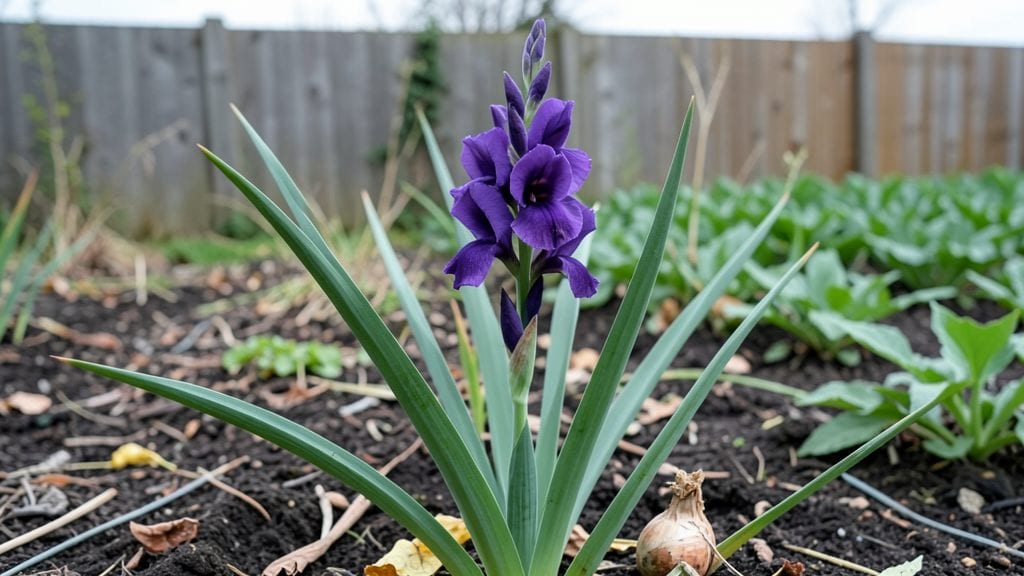
Gladiolus bulbs aren't true perennials in most climates, but they can return yearly with proper winter care. Their corms naturally die back each season, requiring digging, storage, and replanting to ensure blooms the following year.
Gladiolus bulbs behave like perennials in warmer regions where freezing never occurs, but their corms are highly sensitive to cold. 🌱 In colder zones, they enter dormancy and need protection—either by digging up corms or using thick mulch.
The key is understanding their natural cycle: glads "reset" each year, which is why gardeners must intervene to preserve them. I’ve seen corms stored properly last for years, producing stunning blooms season after season with minimal effort.
This annual die-back isn’t a flaw—it’s part of their growth pattern. The corms store energy underground, then regrow when conditions are right. That’s why overwintering techniques (like curing and cool, dry storage) make all the difference between losing your plants and enjoying them for years.
💡 In This Article
- Why Gladiolus Bulbs Act Like Perennials in Some Climates
- Step-by-Step Guide to Overwintering Gladiolus Corms
Why gladiolus bulbs act like perennials in some climates
Gladiolus corms behave like perennials in frost-free zones because their natural growth cycle is tied to temperature sensitivity. These corms originate from South Africa, where they evolved in regions with mild winters and hot summers. In such climates, they grow continuously, storing energy underground to fuel new growth each season.
The key difference? True perennials like peonies have deep root systems that survive winter, while gladiolus corms are more delicate and lack this hardiness.
Here's what's actually happening: when temperatures drop below 32°F, gladiolus corms enter forced dormancy. Their cells begin breaking down proteins and converting starches into sugars for survival—a process triggered by cold sensitivity in their genetic makeup.
This is why gardeners in colder zones must intervene: without protection, the corms would freeze solid, killing the plant. In warmer climates like USDA Zone 8+, this dormancy never occurs naturally, allowing them to behave like perennials.
The soil plays a crucial role too. Gladiolus corms thrive in well-draining soil that warms quickly in spring. When planted in heavy clay or poorly drained areas, they're more susceptible to rot during winter's residual moisture.
This is why gardeners in marginal climates often use raised beds or containers—they can be moved to protected areas before freezing temperatures arrive. The corms' shallow root system (typically 12-18 inches deep) makes them particularly vulnerable to temperature fluctuations near the surface.
What most people don't realize is that gladiolus corms actually grow larger each year when properly cared for. This expansion comes from annual growth cycles where the corm produces new "child" corms around it. In ideal conditions, these can multiply your stock naturally.
However, this only happens if the parent corm survives winter intact. The trade-off? Their tropical origins mean they can't tolerate prolonged exposure to freezing—even a single hard frost can be fatal if unprepared.
Consider these key factors when evaluating your climate:
- Winter lows: If your area drops below 20°F regularly, you'll need to dig and store corms
- Soil type: Sandy loam warms faster in spring than clay, giving corms a head start
- Microclimates: South-facing slopes or greenhouse conditions can extend growing seasons
The science behind this involves a fascinating balance: gladiolus corms contain high levels of soluble sugars that act as natural antifreeze compounds. These sugars depress the freezing point of their cell fluids, allowing them to survive brief cold snaps.
But when temperatures stay below 28°F for more than 24 hours, these protective mechanisms fail. This is why gardeners in transitional zones (like Zone 7) often use thick mulch—it creates an insulating layer that maintains temperatures above this critical threshold.
This adaptability explains why gladiolus thrive in Mediterranean climates but struggle in northern gardens. The lesson? Their perennial-like behavior is climate-dependent, not inherent. With the right care, you can coax them to return year after year—just like a true perennial. 🌿