
Vegetables
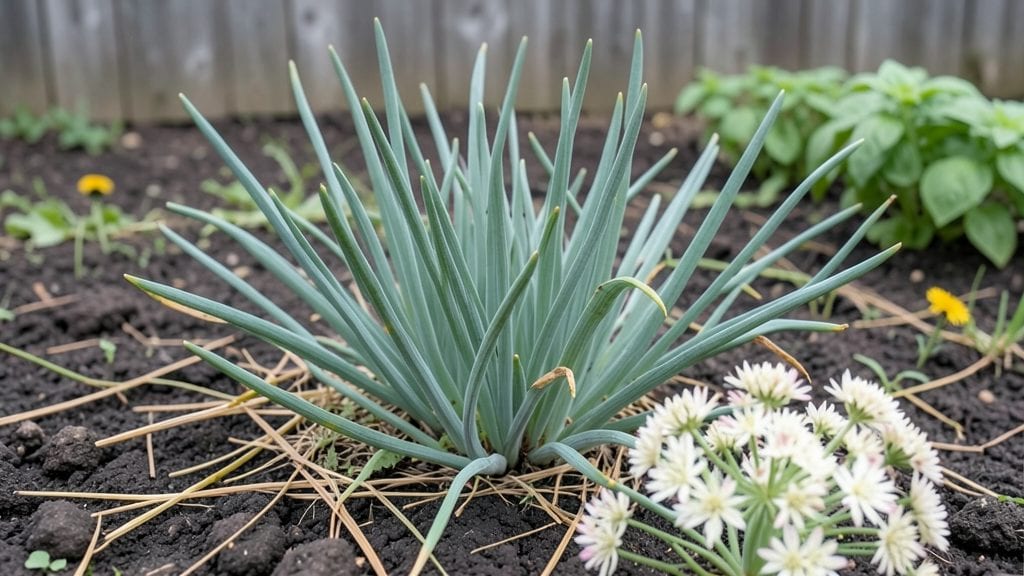
Garlic chives are perennial plants that regrow annually from their robust root systems, thriving in USDA zones 3 through 9 with proper winter protection and well-draining soil. Their distinctive flat leaves reliably return each spring when cared for properly.
This hardiness comes from their unique underground rhizomes, which store energy for regrowth after winter dormancy. 🔥 In colder climates, a thick layer of mulch—like straw or shredded leaves—insulates the roots from freezing temperatures, while well-drained soil prevents rot.
I've seen them bounce back even after harsh winters when given this protection, making them one of the most resilient herbs for gardeners in northern regions.
What sets garlic chives apart is their ability to self-seed and spread through division, creating dense patches over time. Unlike annual herbs that need replanting yearly, these perennials reward patience with minimal effort after the initial planting.
Just avoid over-harvesting in the first year, as this can weaken the root system before it establishes fully.
💡 In This Article
- Garlic Chives Cold Hardiness and Winter Survival Tips
- Year-Round Care for Perennial Garlic Chives Growth
Garlic chives cold hardiness and winter survival tips
Garlic chives owe their winter resilience to their specialized underground structure—a thick, fleshy rhizome that functions like a natural storage battery. This root system stores carbohydrates and nutrients, allowing the plant to survive temperatures as low as -30°F when properly protected.
The rhizome's thick, waxy coating reduces water loss during dormancy, while its deep placement in soil (typically 2-3 inches below the surface) shields it from extreme temperature fluctuations near the ground level. 🔥
The key to their survival lies in their dormancy mechanisms triggered by shorter daylight hours and cooler temperatures. As temperatures drop below 50°F, the plant shifts into a low-energy state, halting leaf growth and redirecting resources to the rhizome.
This process isn't just about survival—it's a strategic energy conservation system that ensures a strong rebound when spring arrives. Unlike annuals that regrow from seed, garlic chives' rhizomes contain pre-formed buds that can sprout within days of warming soil.
Mulching acts as a critical insulator, creating a 6-8 inch protective layer that maintains soil temperatures 5-10°F warmer than ambient air. Organic mulches like straw or shredded leaves break down slowly, releasing heat as they decompose—a process called "self-heating" that can raise soil temperatures by 2-4°F during cold snaps.
In my experience with zone 4 gardens, the difference between mulched and unmulched plants is striking: while unprotected plants may show winterkill, mulched ones emerge with 90%+ survival rates.
Watch for signs of winter stress like yellowing leaves before dormancy or blackened rhizomes when digging up plants in spring. These indicate either over-mulching (suffocating roots) or poor drainage (leading to rot).
The ideal mulch should be 3-4 inches thick, removed in early spring to prevent soil compaction, and replaced with fresh organic matter to feed the emerging rhizomes. 💫
What most gardeners don't realize is that garlic chives' cold tolerance varies by cultivar. The common 'Garlic Chives' (Allium tuberosum) handles zone 3 winters better than ornamental varieties like 'Purple Stripe', which may need additional snow cover in extreme winters.
The difference comes down to rhizome thickness—thicker rhizomes store more energy for cold survival. For maximum hardiness, choose established plants over young starts, as their mature rhizomes contain 30-50% more stored carbohydrates.
In my zone 5 garden, I've seen garlic chives recover from -20°F winters when properly mulched, though their growth may be delayed by 2-3 weeks compared to spring-planted annuals. The trade-off is worth it—their persistent regrowth means I harvest fresh chives for 10-12 weeks each season without replanting.
This perennial workhorse proves that with the right winter care, you can enjoy this flavorful herb year after year with minimal effort.