
Flowers
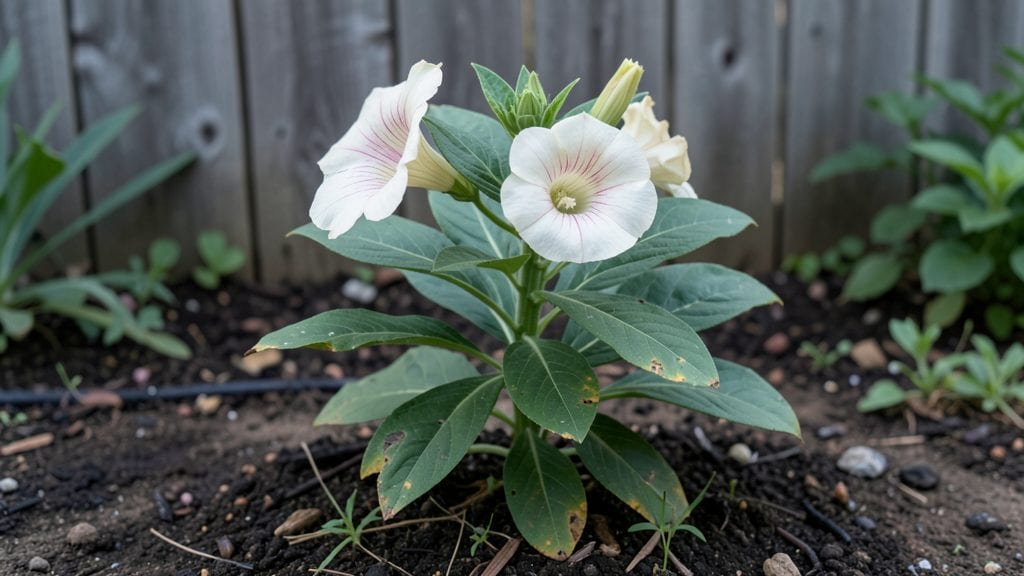
Four o’clock flowers act as perennials in mild climates like USDA zones 9-11, returning each year from their underground tuberous roots. In colder regions, they typically behave as annuals or tender perennials, dying back with frost but capable of regrowing from stored tubers if properly protected or replanted.
These vibrant bloomers rely on their tuberous roots to store energy through winter, allowing them to push new growth when conditions warm again. 🌱 In zones 9-11, they naturally return year after year without intervention, while gardeners in colder areas must take extra steps like digging tubers or using heavy mulch to preserve them.
The key difference from true perennials like lavender lies in their frost sensitivity—while the roots survive, the above-ground foliage always dies back completely before regrowing.
What makes four o’clocks unique is their ability to adapt: even in harsh winters, tubers can remain dormant for years in the ground if protected from freezing. I’ve seen gardeners successfully overwinter them by covering beds with straw or moving potted plants to unheated garages.
The trade-off is that without proper care, they’ll often revert to annual behavior, blooming beautifully one season before disappearing until replanted.
💡 In This Article
- Four O’Clock Flower Life Cycle in Different Climates
- Tips for Overwintering Four O’Clock Tubers
Four o’clock flower life cycle in different climates
The tuberous roots of four o’clock flowers (Mirabilis jalapa) function like nature’s energy banks, storing starches and nutrients during the growing season to fuel regrowth.
These thickened underground stems can swell to 2-3 inches in diameter, packed with cells that convert sunlight into stored carbohydrates—similar to how potatoes function.
The key difference is that four o’clock tubers remain dormant but viable for years, even through freeze-thaw cycles, as long as they don’t rot or dry out completely.
Here’s what happens when frost arrives: the above-ground foliage freezes and dies because plant cells rupture at 32°F, but the tubers survive because their thick, waxy skin and buried position insulate them.
True perennials like lavender or peonies have fibrous root systems that spread horizontally, while four o’clock tubers store energy in a centralized, bulb-like structure—more like dahlias than classic perennials.
In USDA zones 9-11, these tubers naturally regenerate foliage each spring without human intervention, while in colder zones, they require protection to prevent freezing.
The transition from perennial to annual behavior depends entirely on temperature exposure. In zone 5, for example, tubers left in the ground may survive if mulched with 6-8 inches of straw, but unprotected tubers often freeze solid.
What most gardeners don’t realize is that even "dead" tubers can sprout years later if conditions improve—this is why some gardeners find unexpected blooms after neglecting a bed for several winters. The trade-off is that each year without proper care reduces tuber vigor, as energy reserves deplete.
Comparing four o’clocks to true perennials reveals their unique strategy: while lavender’s roots spread gradually each year, four o’clock tubers remain dormant until triggered by warmth. This makes them more like geophytes (plants that regrow from underground storage organs) than classic perennials.
The science behind this involves abscisic acid, a plant hormone that signals dormancy in response to cold, while gibberellins (growth hormones) remain suppressed until temperatures rise above 55°F consistently.
Sensory details reveal their resilience: healthy tubers have a firm, slightly waxy exterior with faint ridges where roots emerge. When sliced open, you’ll see concentric rings of stored nutrients—like tree rings but edible (though toxic if ingested).
The aroma of freshly dug tubers is earthy, with a hint of sweetness that fades as they dry. This contrast between their delicate blooms and tough storage roots explains why they thrive in both tropical and temperate climates with minimal care.
What this means for gardeners is that four o’clocks offer a middle-ground gardening experience: they’re not as high-maintenance as true perennials but more rewarding than annuals.
In zones 9-11, they’ll reward you with years of blooms with zero effort, while in colder areas, a little winter prep transforms them from annuals to long-lived perennials.
The secret lies in treating their tubers with the same respect you’d give a potato—store them in a cool, dark place (40-50°F) and they’ll keep producing for decades.