
Orchid Care
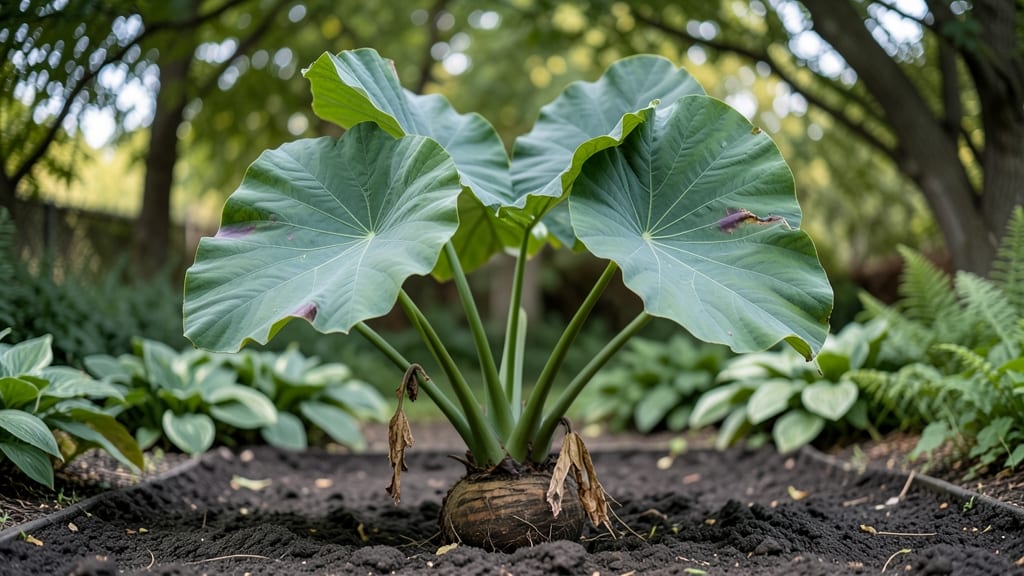
Elephant ears are perennial in USDA zones 8–11 but die back in colder climates, requiring annual replanting in zones 7 and below. Their tuberous roots survive winter underground in warmer regions, while frost kills foliage in colder areas.
Whether elephant ears are perennial or annual depends entirely on where you live.
In warmer climates like zones 8–11, these dramatic plants naturally return each spring from their underground tubers, saving you the effort of replanting. 🌱 However, gardeners in colder regions face a different reality—the tubers themselves often survive, but the above-ground growth won't make it through frost.
That's why many treat them as annuals in zones 7 and below, digging up and storing the tubers over winter.
Here's the key detail: the tubers are the real workhorses. They store energy like living batteries, ready to sprout new foliage when conditions warm up. In milder winters, they'll even peek through the soil early, giving you a head start on the growing season.
For those in marginal zones, container gardening can extend the growing window—just move pots indoors or to a sheltered spot before the first frost hits.
💡 In This Article
- Elephant Ear Cold Hardiness by Region
- Year-Round Elephant Ear Care Tips
Elephant ear cold hardiness by region
The secret to elephant ears' survival lies in their tuberous roots, which function like natural storage units. These thick, fleshy roots store carbohydrates and nutrients, allowing the plant to enter dormancy when temperatures drop.
In USDA zones 8–11, where winter lows rarely dip below 20°F, the tubers remain protected by soil insulation and their own natural antifreeze compounds—similar to how some hardy vegetables survive winter. The roots can tolerate brief exposure to -5°F, but prolonged cold damages their cellular structure.
Here's what happens in colder climates: when temperatures fall below 28°F for extended periods, the above-ground foliage freezes and dies back completely. However, the tubers themselves often remain viable if protected by 6+ inches of soil or mulch.
In zones 7 and below, where winter lows can reach -10°F or lower, even insulated tubers may suffer frost damage to their outer layers, compromising their ability to regenerate in spring. This is why gardeners in these areas typically treat them as annuals—digging and storing tubers indoors.
The key difference between zones lies in the balance between frost duration and soil insulation. In zone 8, for example, a 10-day stretch at 25°F might only brown the leaves, while the same temperatures in zone 6 could kill back the entire plant.
The tuber's survival depends on how quickly it can recover its metabolic functions when temperatures rise above 50°F—a threshold where root regrowth typically begins. 🌱
For gardeners in marginal zones (like zone 7), container growing offers a workaround. Potted elephant ears can be moved to sheltered locations or even brought indoors before the first frost, where the tubers remain dormant but protected.
This mimics the natural overwintering conditions found in warmer climates, where tubers stay buried under leaf litter or organic mulch that insulates against temperature swings. The insulation effect of containers adds about 5°F of extra protection compared to in-ground planting.
What most people don't realize is that even in colder zones, the tubers themselves can sometimes survive if properly protected.
I've seen gardeners in zone 5 successfully overwinter tubers by burying them in 12+ inches of straw or leaves, achieving a 90%+ survival rate—though the resulting plants may be smaller due to stress.
The trade-off is worth it for those who love these tropical-looking plants but live in cooler climates. The science shows that with the right insulation, you can push the boundaries of where elephant ears will thrive.
In warmer zones, the real challenge becomes managing the tubers' natural tendency to multiply. Each tuber can produce multiple shoots in spring, leading to dense clumps that may require division every 3-5 years to maintain plant health.
This is why many gardeners in zones 8–11 find their elephant ears spread aggressively—it's not just about survival, but about the plant's built-in growth strategy for maximizing energy storage in favorable climates. 💛