
Flowers
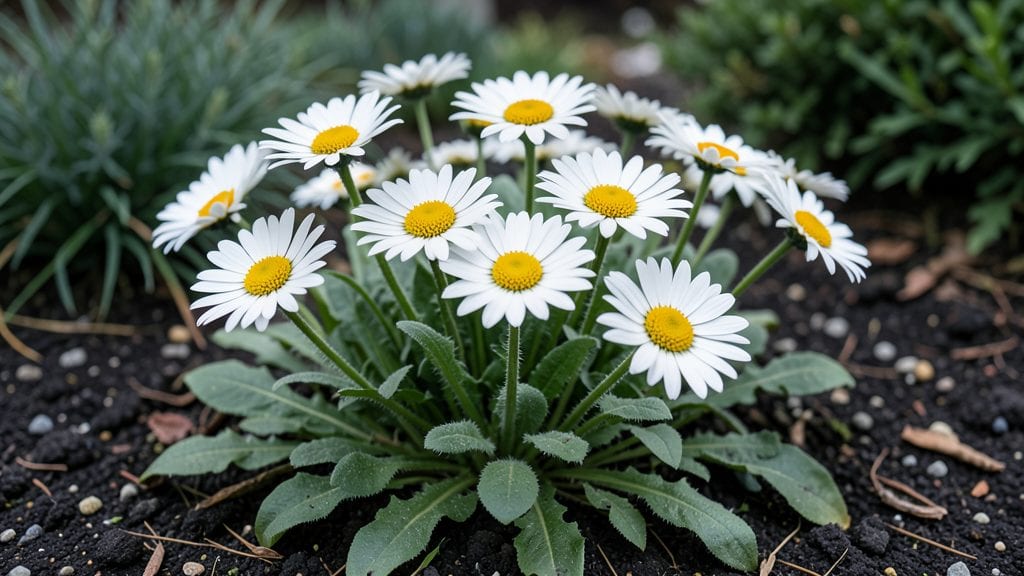
Daisies are perennial flowers in most climates, thriving year after year when given the right care, though certain varieties may act like annuals in harsh winters or without proper protection. Their ability to return depends heavily on species and growing conditions.
Most gardeners assume daisies will reliably come back every spring, but their perennial nature actually hinges on two key factors: root strength and winter hardiness. 🌸 For example, Shasta daisies can survive down to USDA Zone 5 with proper mulching, while Gerbera daisies typically die back in colder zones unless grown as container plants.
The difference comes down to how deep their roots grow and whether they can withstand frost without protection.
Even in colder climates, daisies often return because they develop robust root systems that store energy for regrowth. The trick is protecting those roots during dormancy—think of it like giving your plants a cozy blanket.
I've seen Oxeye daisies bounce back after -10°F winters when covered with straw, while other varieties might need extra insulation or even indoor overwintering in containers.
💡 In This Article
- Daisy Species and Their Perennial Lifespans
- Winter Care Tips to Ensure Daisy Regrowth
Daisy species and their perennial lifespans
The perennial nature of daisies varies dramatically between species due to their root systems and cold tolerance. Shasta daisies (Leucanthemum spp.) thrive in USDA Zones 5-9, developing deep taproots that can survive -20°F winters when properly mulched.
Their fibrous roots store starches, allowing regrowth once temperatures rise. In contrast, Gerbera daisies (Gerbera jamesonii) are tender perennials, typically grown as annuals in Zones 8-11—they'll die back in frost but can be overwintered indoors.
The key difference lies in their dormancy strategies. Oxeye daisies (Leucanthemella serotina) enter a shallow dormancy, with roots surviving -15°F when covered, while African daisies (Dimorphotheca) have no cold tolerance and must be treated as annuals outside Zone 10. Here's how their root structures compare:
- Shasta daisies: Deep taproot system (12-18 inches) stores energy for spring regrowth
- Gerbera daisies: Shallow fibrous roots (6-10 inches) require container protection in cold climates
- Oxeye daisies: Moderate root depth (8-12 inches) with natural cold hardiness
What most gardeners overlook is how soil temperature affects dormancy. Roots need 40-50°F soil to break dormancy—colder soils delay regrowth. In Zone 6, Shasta daisies often emerge 2-3 weeks later than in Zone 8 because the ground stays frozen longer.
The science behind this involves vernalization, where cold exposure triggers flowering hormones.
Some daisies behave as annuals not because they can't survive winter, but because gardeners don't provide proper care. Painted daisies (Tanacetum coccineum) will return in Zone 5 if given 6 inches of mulch, but without protection, they'll appear annual.
The confusion arises because many nurseries sell these as annuals by default, assuming home gardeners won't provide winter protection.
Here's a visual comparison of perennial behavior by species:
- True perennials: Shasta, Oxeye (Zones 5-9 with protection)
- Tender perennials: Gerbera (Zones 8-11 only)
- Annuals in cold climates: African, Painted (Zones 10+)
The bottom line? Most daisies can be perennial with the right care—it's about matching species to climate and protecting those critical root systems. 💫