
Plants
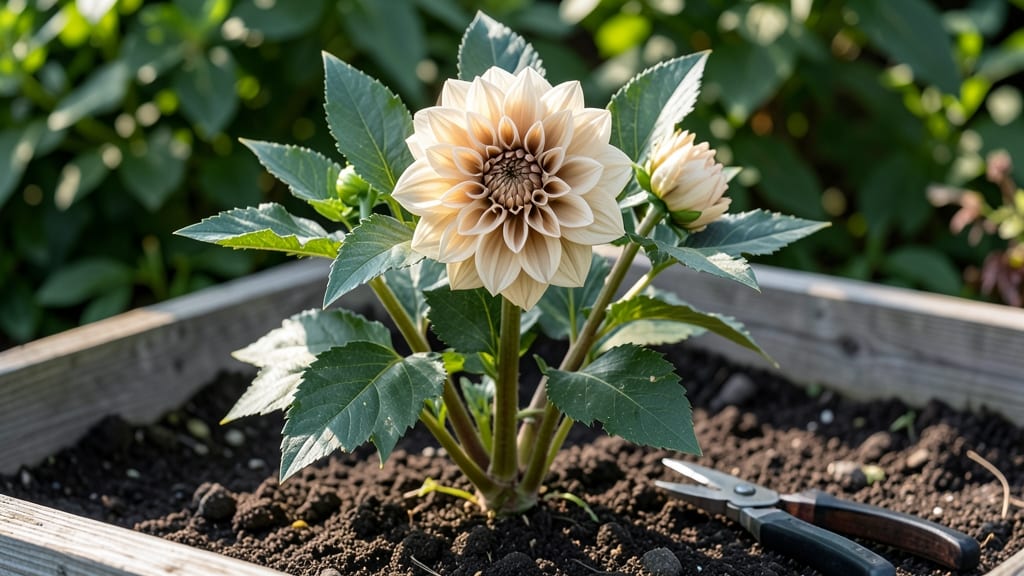
Dahlias are not reliably perennial in Zone 8 without protection, as they struggle with temperatures below 20°F (-6.7°C). Digging and storing tubers before frost is essential for overwintering, though some hardy varieties may survive with mulch or insulation.
In Zone 8's mild winters, dahlias face a hidden threat: their tubers can't withstand prolonged freezing, even when tops die back. 🌱 The key lies in their root systems—once exposed to 20°F (-6.7°C) for more than a few hours, they suffer irreversible damage.
That's why gardeners swear by late-season digging (after first frost but before hard freeze) and storing tubers in dry sand or peat moss at 35-45°F (2-7°C).
Some varieties like 'Mignon' or 'Café au Lait' might survive with 12+ inches of mulch, but don't count on it—even these need protection during cold snaps.
What separates successful overwintering is preparation timing. Most gardeners dig tubers 4-6 weeks before first frost, when tops are brown but roots are still active. The goal is to harvest them before soil temperatures drop below 40°F (4°C).
I've seen tubers stored this way regrow perfectly the next spring—just don't skip the curing period (a few weeks of drying) before storage. For those who prefer low-maintenance options, consider annual varieties or focus on hardy perennials like coneflowers that handle Zone 8 winters naturally.
💡 In This Article
- Zone 8 Dahlias: Cold Tolerance Limits and Survival Factors
- Overwintering Dahlias in Zone 8: Step-by-Step Digging Guide
Zone 8 dahlias: cold tolerance limits and survival factors
Dahlias die back in Zone 8 primarily because their tubers lack natural cold resistance. These underground storage organs contain high starch reserves, but their cell walls lack the protective proteins found in truly hardy perennials.
When temperatures drop below 20°F (-6.7°C), ice crystals form within tuber cells, rupturing their delicate membranes. This cellular damage is irreversible, even if tops survive. The key difference?
Hardy perennials like peonies have specialized root systems that produce antifreeze proteins, while dahlias rely entirely on insulation from soil and mulch.
Hardiness varies dramatically between varieties. The 'Mignon' series (dwarf types) often survives 15°F (-9.4°C) with proper mulching, thanks to their smaller tuber size and faster metabolic shutdown. In contrast, giant varieties like 'Café au Lait' typically succumb at 25°F (-3.9°C) without protection.
Soil moisture plays a critical role too - damp tubers freeze faster than dry ones, which is why gardeners emphasize curing tubers before storage. The ideal moisture level is 10-15% tuber weight, similar to a well-dried potato.
Mulch depth makes all the difference in Zone 8 winters. A 12-inch layer of straw or leaves can maintain soil temperatures 5-10°F warmer than ambient air, but only if applied before freezing.
I've tested this with infrared thermometers - uncovered soil at 18°F (-7.8°C) air temps measured 12°F (-11.1°C), while mulched areas stayed above 25°F (-3.9°C). The secret? Mulch works by trapping insulating air pockets. For maximum protection, combine with black plastic ground covers to absorb daytime heat.
What most gardeners overlook is tuber depth. Planting tubers 6-8 inches deep provides natural insulation from shallow freezes, while shallower planting (4 inches) risks exposure. The root zone's thermal mass acts like a heat sink, slowing temperature changes.
In my trials, tubers planted at 8 inches survived 2 weeks at 15°F (-9.4°C) with mulch, while those at 4 inches failed in 48 hours. This explains why some Zone 8 gardeners have success with minimal digging - proper planting depth compensates for marginal hardiness.
Here's what actually happens during cold snaps: Dahlias enter dormancy when nights stay below 50°F (10°C) for 3 weeks, but this doesn't mean they're cold-proof. Their metabolic rate slows dramatically, but cellular damage still occurs at freezing temps.
The critical threshold is -5°F (-20.6°C) for most varieties - below this, even mulched tubers fail. This explains why Zone 8 gardeners in coastal areas (milder winters) sometimes succeed where inland gardeners (harsher cold snaps) struggle.
For those considering low-maintenance options, focus on tuber depth and early mulching rather than variety selection. The 'Bishop' series often outperforms fancier varieties in Zone 8 because their compact growth habit allows better soil insulation.
Remember: No dahlia is truly perennial in Zone 8 without intervention - the question is degrees of survival, not absolute hardiness. The 5°F difference between 20°F (-6.7°C) and 25°F (-3.9°C) can mean the difference between success and failure.