
Plants
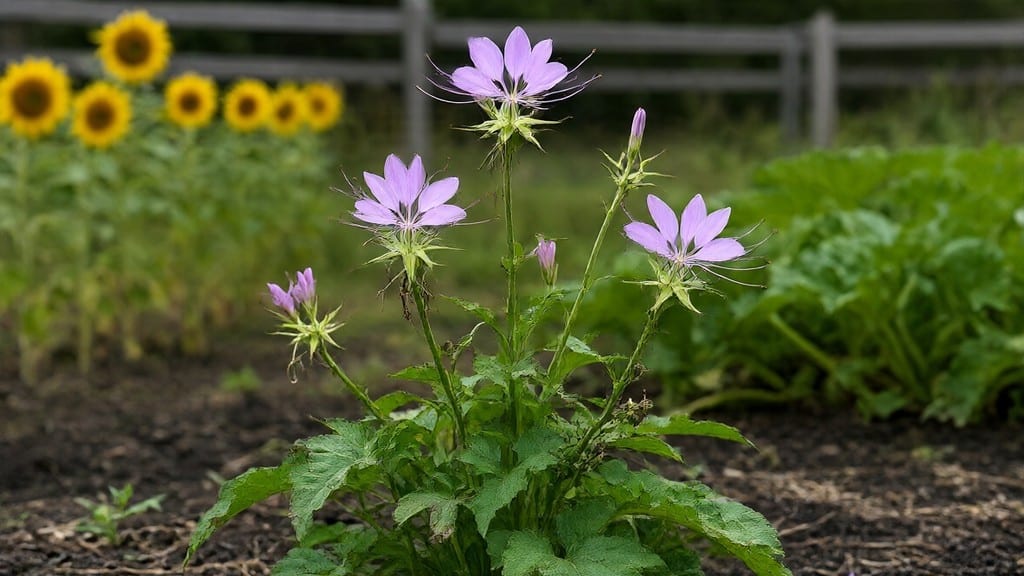
Cleome plants are not perennials in most climates, typically growing as tender annuals or short-lived perennials in frost-free zones like USDA 10-11. They thrive as self-seeding annuals in cooler regions, often returning year after year without replanting.
Cleomes aren't true perennials because their tropical roots can't survive freezing temperatures, which kill their delicate structures. 🌱 In warmer zones like Southern California or Florida, they might act like short-lived perennials, but even there, they often self-sow prolifically instead of reliably returning.
The key is understanding their natural behavior—most gardeners treat them as annuals that magically reappear each spring thanks to dropped seeds.
This self-seeding habit actually works in your favor if you love their dramatic spiky blooms. Just let the seed pods dry on the plant before they pop open—then either scatter them where you want new plants or collect them for next year's garden.
I've had cleomes "volunteer" in my beds for years without any extra effort, which is why many gardeners intentionally plant extra seeds to ensure continuous color.
💡 In This Article
- Cleome Plant Lifespan and Growth Habits
- Extending Cleome Growth in Cooler Climates
Cleome plant lifespan and growth habits
Cleome plants originate from tropical regions of South America, where they evolved without ever encountering frost. Their delicate root systems and stems contain minimal cold-hardiness, typically surviving only in zones where winter temperatures rarely drop below 30°F.
When exposed to freezing conditions, their cellular structure ruptures due to ice crystal formation in the vascular system, causing irreversible damage within hours. This biological limitation explains why they're classified as annuals in most climates—nature's way of ensuring they complete their life cycle before winter arrives.
Their growth habit is fascinating: cleomes produce 1,000-2,000 seeds per plant through explosive seed pods that can shoot seeds up to 13 feet away. This aggressive self-seeding strategy compensates for their short lifespan by ensuring genetic survival.
In warmer microclimates like coastal areas or urban heat islands, some roots may survive mild winters, but true perennial behavior (returning from the same root system year after year) is rare. The plants you see returning each spring are almost always from fresh seeds rather than established roots.
What most gardeners don't realize is how temperature thresholds affect their development. Cleomes won't germinate until soil temperatures reach 60°F, which is why they often appear later than other spring annuals.
Their rapid growth—reaching 3-5 feet tall in just 8-10 weeks—is fueled by their tropical origins, where they'd experience continuous warm seasons. This growth spurt explains why they're often considered short-lived perennials in marginal zones—they simply grow so quickly that they complete their cycle before winter sets in.
Their classification as "perennials" in frost-free zones is technically accurate but misleading. Even in USDA zones 10-11, cleomes rarely survive multiple years from the same rootstock. Instead, they behave more like biennials with aggressive self-seeding—producing new plants from dropped seeds each season.
This explains why you might see them returning year after year without replanting: it's not because they're perennials, but because they're excellent seed producers that naturally reseed themselves.
Here's the botanical secret: cleome seeds contain a hard outer coating that requires scarification (abrasion or cold treatment) to break dormancy. When seeds land in garden beds, they often need two winters of cold exposure before germinating—a process called stratification.
This explains why cleomes might not appear immediately after planting but can suddenly emerge in large numbers two years later. The delayed germination creates that "magical reappearance" many gardeners notice each spring.
Consider this comparison: while true perennials like lavender or salvia develop woody stems that can withstand freezing, cleomes remain herbaceous with 60-70% moisture content in their stems—making them highly susceptible to frost damage.
Their survival strategy lies entirely in reproduction rather than persistence, which is why they thrive as self-seeding annuals in most gardens. 🌿