
Plants
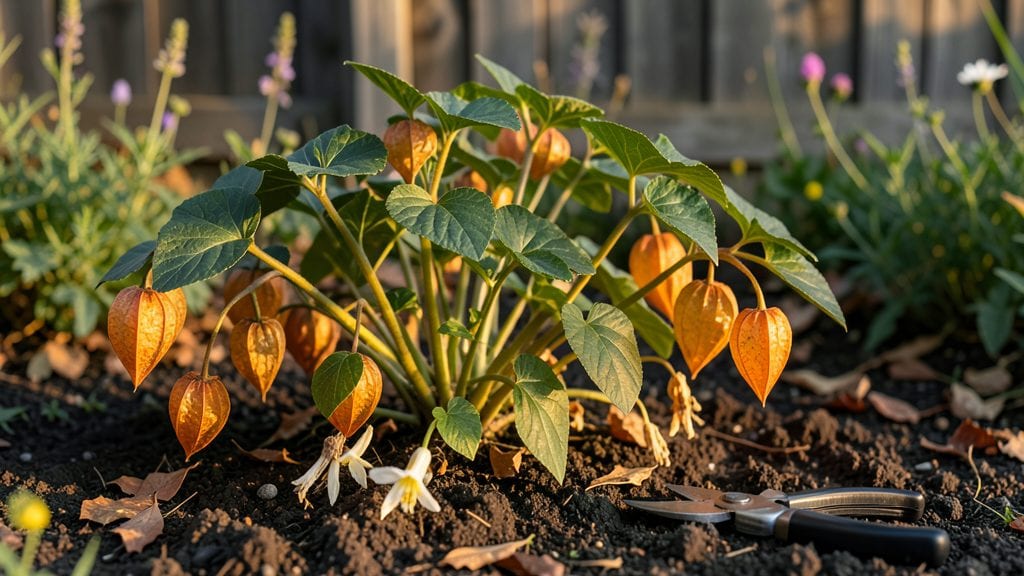
Chinese lantern plants (Physalis alkekengi) are perennials in USDA zones 4-9, though they often die back in winter and regrow from roots. In colder climates, treat them as annuals or overwinter indoors for longevity.
These striking plants thrive as hardy perennials in milder climates, where their roots survive winter dormancy to produce new growth each spring. 🌱 The key difference lies in their ability to endure freezing temperatures—down to -30°F in zone 4—while still relying on protective mulch or snow cover.
In colder regions, gardeners often dig up the entire plant before frost and replant it in spring, effectively turning it into a temporary annual. This adaptability makes them a favorite for both cold-hardy and container gardeners alike.
What sets Chinese lanterns apart is their resilience: even if the above-ground foliage blackens in winter, the root system remains alive, ready to burst back to life with warmth. This natural cycle explains why they’re classified as perennials in ideal conditions but require extra care in marginal zones.
For those in zones 3 or below, overwintering indoors under grow lights can preserve the plant year after year—though it demands more effort than simply letting nature take its course.
💡 In This Article
- Chinese Lantern Plant Lifespan and Cold Hardiness
- Tips for Extending Chinese Lantern Plant Life
Chinese lantern plant lifespan and cold hardiness
The lifespan of Chinese lantern plants hinges on their root system's ability to endure freezing temperatures. In USDA zones 4-9, these plants naturally enter dormancy when temperatures drop below 20°F, with their roots remaining viable even when exposed to -30°F in zone 4.
The secret lies in their fibrous root structure, which stores carbohydrates during summer growth to fuel regrowth in spring—a survival strategy shared with many woodland perennials like hostas or bleeding hearts.
Here's what happens in colder climates: when nighttime temperatures consistently fall below 10°F, the above-ground foliage dies back completely, but the roots remain alive underground, protected by insulating soil and organic matter.
In zones 5-7, this natural dormancy cycle works perfectly, with new shoots emerging as soon as soil temperatures reach 45°F in spring. The plant's ability to regenerate from roots explains why it's classified as a perennial in these regions—its lifespan extends beyond a single growing season.
In zones 8-9, Chinese lanterns behave like true perennials, often thriving for 5-10 years with minimal care. The warmer winters prevent the extreme dormancy seen in northern climates, allowing for continuous growth.
What's fascinating is how these plants adapt their growth cycles: in southern climates, they may produce multiple flushes of flowers and fruit throughout the year, while northern plants focus all their energy on root development before winter.
The transition to annual behavior occurs in zones 3 and below, where winter temperatures can drop to -40°F or lower. At these extremes, even well-mulched roots may suffer frost damage, preventing regrowth.
This is why gardeners in these areas often treat Chinese lanterns as annuals—planting fresh seeds or transplants each spring. The key difference isn't the plant's biology but rather the environmental conditions it can tolerate.
What most gardeners don't realize is how soil composition affects cold hardiness. Sandy soils drain quickly, exposing roots to temperature fluctuations, while loamy soils with good organic content provide consistent insulation.
Adding 3-4 inches of straw mulch before winter can raise soil temperatures by 5-10°F, making the difference between root survival and death in marginal zones. This insulation works because organic matter breaks down slowly, releasing heat as it decomposes—a natural greenhouse effect.
The plant's natural range in East Asia includes mountainous regions with cold winters, suggesting these lanterns evolved to handle freezing temperatures. Their ability to regenerate from even small root fragments (as little as 1-inch pieces) makes them remarkably resilient.
This biological adaptation explains why they've become popular in cottage gardens worldwide—wherever gardeners can provide adequate winter protection, these plants will reward them with years of striking seasonal displays. 💫