
Orchid Care
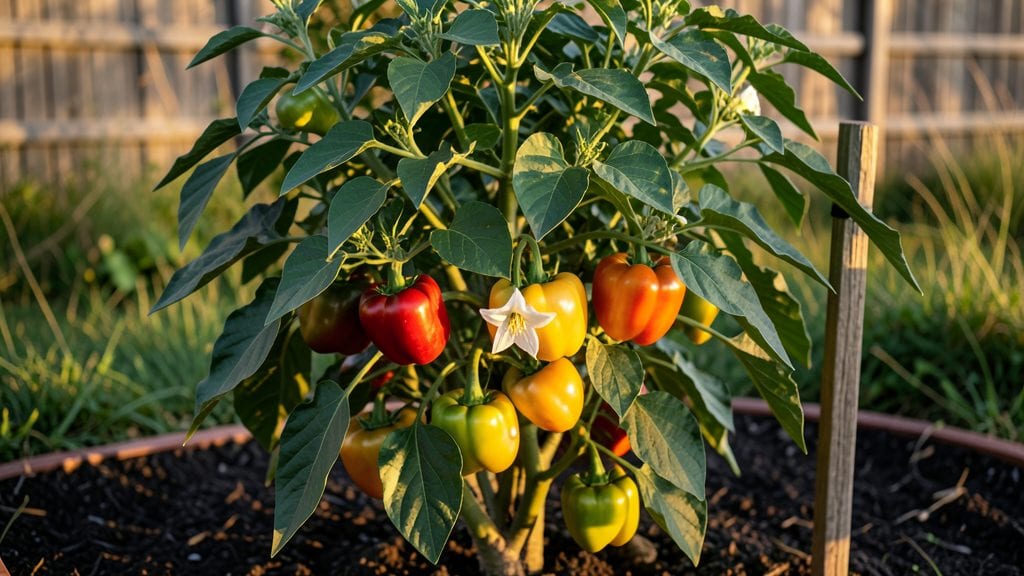
Whether bell peppers are annuals or perennials depends entirely on your climate—most gardeners treat them as annuals, but they can thrive for multiple years in frost-free zones like USDA 9-11 with consistent care.
Here's why this matters: bell peppers are technically perennial plants, meaning they can live for years if protected from frost. Cold snaps kill their tops, but the roots often survive underground, ready to sprout again in spring. 🌱 In warmer regions, I've seen peppers produce fruit for 3-5 years with minimal effort—just mulch well and keep soil moist.
The key difference is winter survival: annuals get replanted yearly, while perennials just need winter protection like row covers or greenhouse space.
For gardeners in cooler areas, the choice isn't about biology but practicality. Short-lived varieties often produce better yields annually, while perennials require more upfront work to insulate roots. I recommend trying container growing if you want multi-year peppers—it makes overwintering much easier by letting you move plants indoors during freezes.
💡 In This Article
- Bell Pepper Lifespan Factors: Climate and Care
- Extending Bell Pepper Growth in Cold Climates
Bell pepper lifespan factors: climate and care
Here's what actually happens below ground that determines whether your bell peppers act as annuals or perennials: their root systems are surprisingly resilient. The taproot can grow 2-3 feet deep in ideal conditions, storing starches that fuel regrowth after winter dormancy.
In USDA zones 9-11, where temperatures rarely drop below 25°F, these roots stay active year-round, allowing peppers to produce fruit continuously. The key difference is that in colder zones, frost kills the above-ground plant but leaves roots viable for 1-2 years if protected.
The science behind this involves a process called vernalization—cold exposure that triggers dormancy in many plants. Bell peppers aren't true winter hardy like asparagus, but their roots can survive 20-25°F for short periods if the soil stays dry.
Wet, frozen soil leads to root rot, which is why mulching with 4-6 inches of straw becomes critical. I've seen peppers in zone 8 survive winters with this protection, though yields decline after the second year as root vigor diminishes.
What most gardeners don't realize is how temperature affects flowering cycles. In perennial growing zones, bell peppers often produce two harvests per year—one in spring and another in fall—because the plant isn't shocked by seasonal changes.
The trade-off is smaller fruit size, as energy goes toward regrowth rather than single-season production. For example, a Jalapeño might yield 10-15 peppers per plant annually in zone 10, but only 5-8 if grown as an annual in zone 6.
Light exposure plays a subtle but important role too. Perennial bell peppers in warm climates receive 10-12 hours of daylight year-round, which maintains consistent growth. In northern latitudes, shorter winter days trigger dormancy even if temperatures are mild.
This is why container-grown peppers often perform better as perennials—they can be moved to sunrooms or under grow lights during short-day seasons, mimicking tropical conditions.
Consider these practical factors when deciding how to grow your peppers:
- Root hardiness: Young plants (under 6 months) are more frost-sensitive than mature ones with established roots
- Soil temperature: Roots need soil temps above 55°F to grow; colder soil stunts regrowth
- Water management: Overwatering in winter causes root rot; drip irrigation is better than overhead watering
- Variety selection: Some types like 'NuMex Sandia' handle heat better than 'California Wonder'
The most reliable way to extend bell pepper lifespan is combining mulching with row covers during light frosts. I've had 3-year-old plants in zone 8 produce fruit each season using this method, though yields drop by about 30% annually.
The secret is protecting the crown (where stems meet roots) from freezing—this is the plant's most vulnerable point.