
Plants
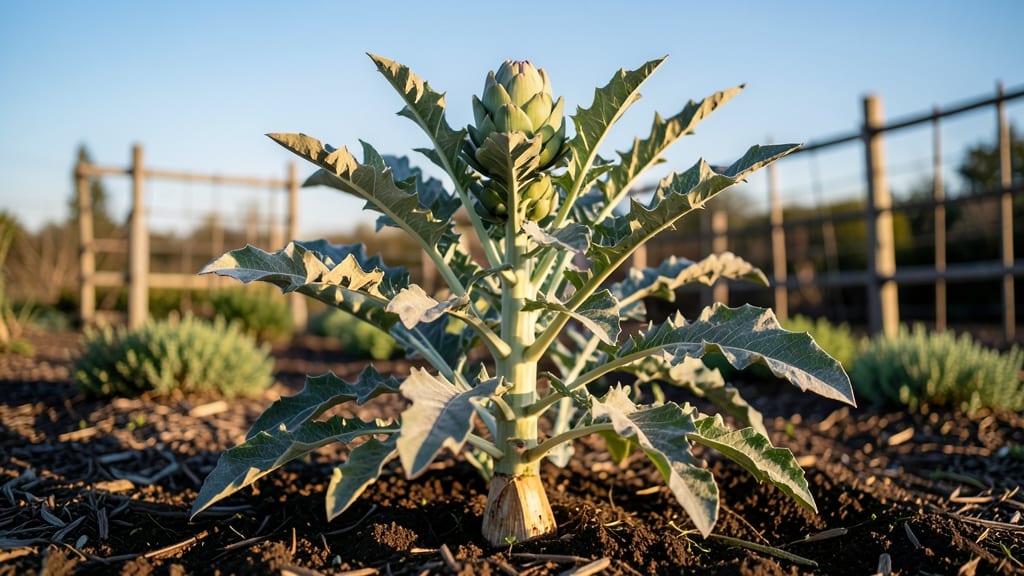
Yes, artichoke plants are perennials in mild climates like USDA zones 7-10, living 3-5 years or longer with proper care, though they often produce fewer buds as they age. In colder regions, they die back annually but regrow from the root crown if protected.
Artichoke plants thrive as perennials because their deep root systems store energy for regrowth each season. 🌱 In warmer climates, they can produce edible buds for multiple years, though yields naturally decline after the third year.
The real secret to their longevity lies in consistent moisture and well-draining soil—both critical for preventing root rot while supporting vigorous regrowth. I've seen gardeners in zone 8 keep plants producing for over a decade with proper winter mulching and pruning.
What's interesting is how their growth cycle adapts to colder zones. While they may appear dead above ground after frost, the root crown remains dormant until spring. This resilience makes them excellent candidates for overwintering with simple techniques like thick mulch or row covers.
The key difference between zones 7-10 and colder areas comes down to how aggressively you protect them during winter dormancy.
💡 In This Article
- Artichoke Plant Lifespan by Climate Zone
- Year-Round Care for Long-Term Artichoke Growth
Artichoke plant lifespan by climate zone
Artichoke plants thrive as perennials because their robust root systems—extending up to 3 feet deep—store carbohydrates during warm months to fuel regrowth. In USDA zones 7-10, where winters rarely drop below 10°F, these plants can live for 5-7 years or longer, though their productivity typically peaks in years 2-4.
The reason? Their thick, fleshy roots act like natural batteries, converting sunlight into stored energy that sustains them through dry spells and mild winters. 🌿 In contrast, zones 5-6 face harsher winters, where temperatures can plunge to -10°F or lower, forcing the aboveground foliage to die back completely.
The critical difference lies in how frost affects their growth cycles. In colder zones, artichoke plants enter a state of dormancy when temperatures fall below 32°F, halting all above-ground growth. However, their root crown—the thick, woody base—remains alive underground, protected by a layer of insulating soil.
This is why gardeners in zones 5-6 must use 12+ inches of mulch or row covers to prevent the roots from freezing. Without protection, the root crown can suffer irreversible damage, killing the plant permanently.
The science here involves cellular dehydration: when temperatures drop too low, water inside plant cells freezes and expands, rupturing cell walls.
Here's what's actually happening in warmer climates: artichoke plants continue growing year-round in zones 8-10, with minimal dormancy. Their leaves may yellow and drop during winter months, but the root system remains active, slowly building reserves for spring.
This continuous growth explains why plants in these zones often outlive their colder-climate counterparts. For example, a well-cared-for artichoke in zone 9 might produce 20-30 buds annually for 6+ years, while one in zone 6 might only yield 5-10 buds per year if overwintered successfully.
The trade-off is clear: longevity comes at the cost of winter protection in colder regions.
What most people don't realize is how artichoke plants adapt their growth patterns based on temperature fluctuations. In zones 7-8, they'll often produce a second flush of buds in late summer if temperatures remain above 65°F at night.
This secondary growth is possible because their root systems have already stored enough energy to support new shoots. In contrast, colder zones limit this secondary growth due to shorter growing seasons.
The root crown's ability to regenerate is truly remarkable—even if the top growth dies back completely, new shoots will emerge from the base as soon as soil temperatures reach 55°F in spring. 💫
Consider these key factors when planning for perennial artichoke growth:
- Root depth: Deeper roots (up to 3 feet) provide better drought resistance and winter protection in zones 7-10
- Winter hardiness: Root crowns can tolerate 10-15°F without protection, but aboveground growth dies at 25°F
- Productivity decline: Bud production drops by 30-50% after year 4 in all zones due to natural aging of the root system
- Cold zone adaptation: Plants in zones 5-6 may need 3-4 years to establish strong root systems before reliable bud production
The most critical winter protection technique is mulching with 6-12 inches of straw or leaves, which insulates the root crown and maintains soil temperatures above 20°F. In extreme cold (-10°F), adding a 10-gauge row cover can make the difference between survival and death.
The goal is to prevent the soil from freezing solid—when ice crystals form in the root zone, they can rupture cell membranes and kill the plant. This is why gardeners in colder climates often plant artichokes near south-facing walls or use cold frames for extra protection. 🔥