
How To
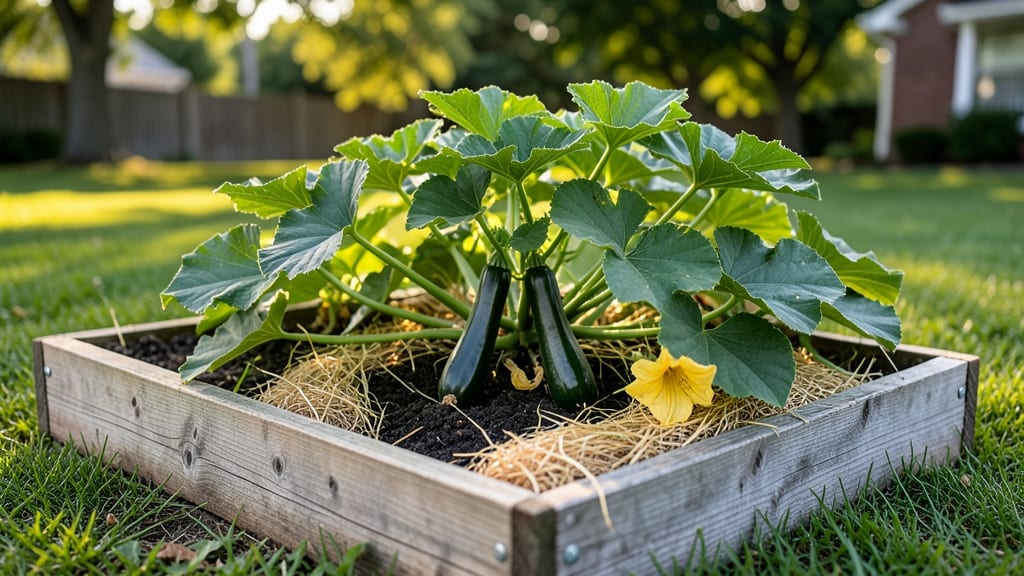
Growing zucchini in a raised bed isn’t just possible—it’s a game-changer for avoiding soil-borne diseases and controlling weeds. 🌱 I’ve tried zucchini in the ground, but raised beds keep the plants healthier, the soil warmer, and the harvests bigger. The secret?
Spacing them just right for bushy growth and maximum sun exposure. A 4-foot-wide raised bed gives you room for 3-4 zucchini plants in a single row, with 2-3 feet between plants. This spacing prevents overcrowding, which leads to powdery mildew and stunted growth.
Fill the bed with a mix of compost, aged manure, and garden soil—zucchini love nutrient-rich, well-draining soil. By late summer, you’ll be picking squash so heavy they’ll bend the vines, and the leaves will stay lush and green.
The raised bed also makes harvesting easier—no more bending or dirty knees. Plus, you’ll avoid the slug and squash bug problems that plague in-ground plants. For even better results, plant nasturtiums nearby to repel pests and keep the soil moist.
Water at the base of the plants in the morning to prevent fungal diseases, and watch those vines spread like a green carpet. Ready to grow? Let’s get those seeds in the ground!
📚 In This Guide
- What you need
- Instructions
- Tips and common mistakes
- Wrapping up and next steps
What you need
- ● Raised bed frame: Wood (cedar or redwood, untreated), composite lumber, or metal (galvanized steel). Dimensions: At least 4’ x 8’ x 12” deep (standard for zucchini).
- ● Hardware: Galvanized screws (2.5”–3” long) or nails, corner brackets (if needed), and landscape fabric (to line the bed and block weeds).
- ● Soil mix: 60% high-quality garden soil (sterilized if possible).
- ● 30% compost (well-aged, rich in organic matter).
- ● 10% permanent organic fertilizer (e.g., 5-5-5 or composted manure).
- ● Zucchini seeds or seedlings: 3–5 plants per bed (choose bush varieties like ‘Black Beauty’ or ‘Gold Rush’ for compact growth).
- ● Watering supplies: Drip irrigation kit or soaker hose (to keep soil consistently moist).
- ● Mulch: Straw or shredded leaves (2–3 inches thick) to retain moisture and suppress weeds.
- ● Trellis or stakes: For vining varieties (e.g., ‘Straight Eight’), add a 4–6’ tall trellis to save space and improve airflow.
- ● Row covers: Lightweight fabric to protect young plants from pests like squash bugs.
- ● pH test kit: Ensure soil pH is 6.0–7.0 (zucchini thrive in slightly acidic to neutral soil).
- ● Compost tea or liquid fertilizer: For a mid-season nutrient boost (follow package instructions!).
- ● Pruning shears: To trim excess leaves or remove diseased foliage.
Step-by-step instructions for building a raised bed for zucchini
Here's how to create the perfect raised bed for bushy, productive zucchini plants.
🪴 Step 1: Choose and Prepare the Raised Bed Location
Pick a spot that gets full sun (6-8 hours daily)—zucchini are sun-hungry plants that produce best with maximum light exposure. I like to place my beds where morning sun warms the soil early, as zucchini roots thrive in consistently warm temperatures. Avoid low spots where water pools after rain, as soggy soil leads to rot.
Measure your bed dimensions carefully. For 4 zucchini plants, a 4-foot by 8-foot bed gives each plant enough room to spread without competing for nutrients. Clear the area of grass, weeds, and debris—zucchini roots can't compete with invasive plants for space or water. I like to lay down a thick layer of cardboard first to smother weeds naturally before adding soil.
🌱 Step 2: Build or Assemble the Raised Bed Frame
Construct your raised bed frame using rot-resistant wood (cedar or redwood) or composite lumber that won't degrade quickly. I prefer 2x6 boards for the sides, cut to create a 12-inch deep bed—this depth prevents soil compaction and gives roots plenty of room to grow. Assemble the frame with galvanized screws or corner brackets to ensure stability.
Line the bottom with landscape fabric if your bed sits directly on ground soil. This prevents weeds from creeping up and helps maintain clean soil inside the bed. For extra durability, I add a layer of hardware cloth at the bottom to deter burrowing pests like voles. Leave a small gap between the bed frame and any permanent structures to allow airflow on all sides.
💧 Step 3: Fill the Bed with the Right Soil Mix
Fill the bed with a mix of 50% topsoil, 30% compost, and 20% perlite or coarse sand. This combination gives zucchini roots both nutrients and excellent drainage—too much clay soil leads to waterlogged roots, while sandy soil drains too quickly. I like to add a handful of balanced organic fertilizer (10-10-10) to the bottom layer for slow-release nutrition.
Fill the bed to within 1-2 inches of the top edge, leaving room for mulch. Water the soil thoroughly after filling, then let it settle for a day. This prevents soil from compacting when you plant. Press down lightly with your hands to create a firm but not rock-hard planting surface—zucchini roots need good contact with soil to establish quickly.
☀️ Step 4: Plant Zucchini with Proper Spacing
Plant zucchini seeds or seedlings when soil temperatures reach 60°F or higher. For seeds, sow them 1 inch deep, spacing them 2-3 feet apart in rows 3-4 feet apart—this gives plants room to grow bushy and prevents overcrowding. For seedlings, dig holes just deep enough to cover the root ball completely, then water generously to settle the soil around the roots.
Here's the thing—zucchini plants spread wide, so proper spacing now means fewer fights for sunlight later. I always plant my zucchini near the edge of the bed where they can spread outward without smothering other plants. After planting, add a 2-inch layer of straw mulch around each plant to retain moisture and suppress weeds.
✂️ Step 5: Maintain for Maximum Yield
Water zucchini plants 1-2 inches per week, keeping soil consistently moist but not soggy. I water in the morning so leaves dry quickly, which prevents fungal diseases. When plants start flowering, I add a balanced liquid fertilizer every 2-3 weeks to support heavy fruit production. Watch for yellowing leaves—a sign of either overwatering or nutrient deficiency.
As plants grow, train vines to spread evenly by gently guiding them outward. If you notice leaves touching the soil, prop them up with small stakes or plant supports to improve airflow. Harvest zucchini when they're 6-8 inches long—picking regularly encourages more production. I always harvest in the morning when fruits are cool and crispest.
Tips & tricks for perfect raised bed zucchini growing
Here's how to avoid common pitfalls and maximize your zucchini harvest in that perfect raised bed.
Sunlight Strategy: The 6-8 hours of daily sunlight is non-negotiable for zucchini success. I've learned that placing your bed where it gets morning sun is ideal—those early rays help warm the soil faster, giving your plants a head start. If your garden has afternoon shade, position the bed so the tallest plants face north to prevent shading smaller plants.
Soil Science: That 50-30-20 soil mix (topsoil, compost, perlite/sand) is your secret weapon. I always add a handful of that 10-10-10 fertilizer at the bottom layer—this gives roots a nutrient boost right where they need it most. For extra insurance, mix in a cup of bone meal before planting; it adds phosphorus for strong root development. The perlite isn't just for drainage—it also helps prevent soil compaction in that 12-inch deep bed.
Spacing Secret: Those 2-3 feet between plants might seem generous, but trust me—it's worth it. I've seen crowded zucchini plants fight each other for sunlight, resulting in fewer fruits and more pests. When planting near the bed edges, leave extra space (up to 4 feet) so vines can spread outward without smothering other plants. This also makes harvesting easier—you won't be reaching into dense foliage.
Watering Wisdom: The 1-2 inches per week guideline works, but timing matters just as much. I water my zucchini beds in the morning and always aim for the soil, not the leaves. This prevents fungal diseases that thrive in damp foliage. For that 4x8 foot bed, I use a soaker hose at the base—it delivers water right where the roots need it without wasting a drop. Mulch helps too, keeping moisture in and weeds out.
Pro Tips for Raised Bed For Zucchini
- Here's how to avoid common pitfalls and maximize your zucchini harvest in that perfect raised bed.
- Sunlight Strategy: The 6-8 hours of daily sunlight is non-negotiable for zucchini success.
- Soil Science: That 50-30-20 soil mix (topsoil, compost, perlite/sand) is your secret weapon.
Frequently asked questions
Got questions about growing zucchini in raised beds? You’re not alone! Here are some of the most common concerns—and their answers—to help you cultivate a thriving harvest.
How deep should my raised bed be for zucchini?
Zucchini roots can grow 12–18 inches deep, so aim for a minimum of 12 inches in your raised bed. Deeper is always better—it gives roots room to spread and access moisture, especially in hot climates. If your bed is shallower, amend the soil with compost to boost nutrients where roots can reach.
When is the best time to plant zucchini in a raised bed?
Wait until after the last frost when soil temps hit 60°F+ (test with a soil thermometer!). For most regions, this means late spring to early summer. If you’re in a warm climate, you can even plant in early spring—just protect seedlings from cold snaps with row covers.
Can I grow zucchini in a raised bed without tilling the soil?
Zucchini thrives in loose, well-draining soil, so no-till methods work if you prep the bed properly. Mix in 3–4 inches of compost or aged manure before planting, and use mulch (straw or grass clippings) to retain moisture. Avoid compacted soil—it stunts root growth.
How do I keep pests like squash bugs and cucumber beetles away?
Start with row covers when planting to block pests, then remove them once flowers appear. Crop rotation (don’t plant zucchini in the same spot yearly) and neem oil sprays help too. For squash bugs, check leaves daily and handpick eggs (they’re yellow and oval). Planting marigolds or nasturtiums nearby can deter beetles naturally.
Why aren’t my zucchini plants producing fruit?
Common culprits include too much nitrogen (leads to leafy growth, not fruit), poor pollination (hand-pollinate with a paintbrush if bees are scarce), or stress from heat/drought. Ensure your plants get 6–8 hours of sun and consistent watering (1–2 inches per week). If flowers drop, check for blossom end rot (calcium deficiency) and side-dress with compost.
Wrapping up and next steps
Growing zucchini in a raised bed is a rewarding way to enjoy bountiful, healthy harvests with minimal fuss! By mastering the right spacing, soil prep, and sunlight exposure, you’ll create the perfect environment for bushy plants and plump, delicious zucchini.
Whether you’re a seasoned gardener or just starting out, these tips will help you grow like a pro—and soon, you’ll be sharing your harvest with friends and family. 🌱
Ready to dig in? Start by sketching your raised bed layout and mark your planting spots—then grab those seeds and get growing! Your future zucchini feasts await. 🍆✨