
Vegetables
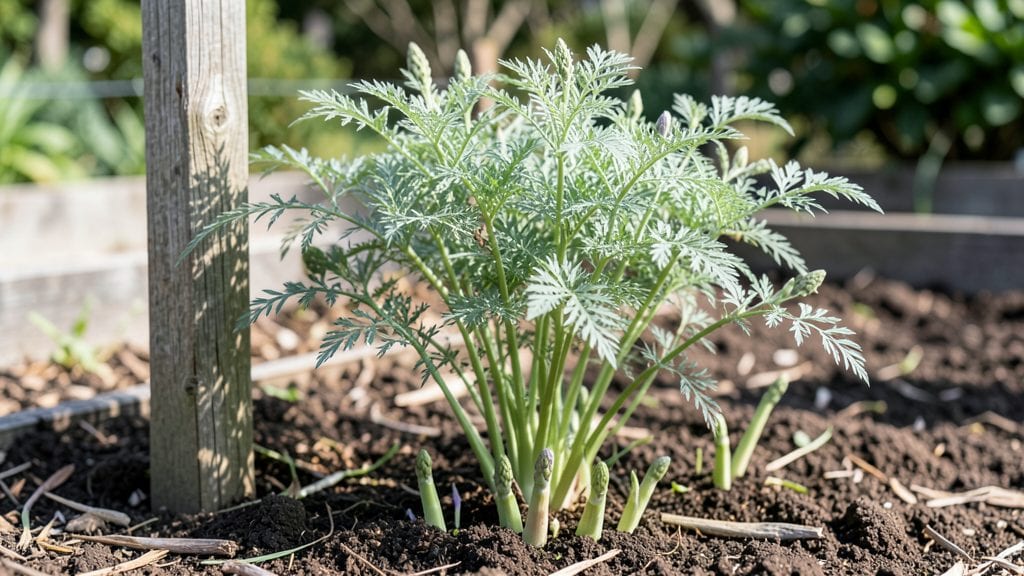
Many gardeners assume all vegetables must be replanted annually, but some actually return stronger each season. 🌱 The key lies in their underground structures—thick rhizomes or deep taproots that store nutrients and survive winter dormancy.
Unlike annuals that complete their life cycle in one season, these perennials focus energy on root expansion rather than seed production, making them low-maintenance once established. For example, asparagus crowns can live for decades with proper soil prep, while rhubarb's thick stalks regenerate from the same base year after year.
What makes this especially appealing is how these plants reward patience. After the first year's initial investment in soil preparation and mulching, they demand far less effort than annuals while delivering harvests for years.
My favorite is growing artichokes—they're a bit slower to start but become a reliable staple once mature, producing edible buds for a decade or more. The trade-off? They need consistent moisture and protection from pests during their vulnerable early years.
💡 In This Article
- How Perennial Vegetables Survive Year-Round
- Best Perennial Vegetables for Home Gardens
How perennial vegetables survive year-round
The secret to perennial vegetables lies in their specialized underground structures that store energy and nutrients. Unlike annual vegetables like tomatoes or lettuce, which complete their life cycle in a single season, perennials focus on building robust root systems.
Asparagus, for example, develops thick, woody rhizomes that can live for decades, while rhubarb stores nutrients in its corm—a swollen underground stem. These structures allow the plant to survive harsh winters and regenerate new shoots each spring. 🔥
The key mechanism is seasonal dormancy, where the plant enters a low-metabolic state during cold months. Asparagus crowns, for instance, can tolerate temperatures down to -20°F when properly mulched, while rhubarb's roots remain dormant but alive beneath the frost line.
This dormancy prevents energy waste while preserving the plant's core. Annual vegetables, by contrast, die back completely after producing seeds, requiring full replanting each year. The trade-off? Perennials invest their early years building these storage systems rather than producing immediate harvests.
Water retention also plays a crucial role. Perennial vegetables often develop deep taproots or extensive fibrous root networks that reach moisture deep in the soil. Artichokes, for example, grow roots up to 6 feet deep, accessing water reserves that annual plants can't tap into.
This deep rooting not only helps them survive drought but also makes them more resilient to temperature fluctuations. The result? Once established, these plants require far less frequent watering than annuals, which rely on consistent surface moisture.
Another advantage is their reproductive strategy. While annuals focus all energy on seed production, perennials allocate resources to both reproduction and vegetative growth. Asparagus, for instance, produces ferns (its above-ground foliage) that photosynthesize and feed the rhizome system, while also occasionally sending up flower stalks.
This dual approach ensures the plant can both propagate and maintain its root structure year after year. The comparison to annuals is striking—where a tomato plant dies after producing fruit, a rhubarb plant might produce edible stalks for 20+ years from the same planting.
Soil health becomes particularly important for perennials because their long lifespan means they're constantly drawing nutrients. Asparagus, for example, benefits from well-draining, sandy loam soil with a pH of 6.5-7.5, while rhubarb prefers slightly acidic conditions (pH 5.5-6.5).
The key is amending soil with organic matter at planting to create a nutrient-rich environment that supports decades of growth. Mulching with straw or wood chips further protects roots from temperature swings and retains moisture during dry spells. 💫
What most gardeners don't realize is how these plants adapt their growth cycles. Many perennial vegetables like horseradish and walking onions produce new shoots from their roots even after the main plant is harvested.
This continuous regeneration is what makes them so efficient—where an annual garden requires complete replanting each spring, a perennial garden becomes a self-sustaining ecosystem with minimal intervention. The initial establishment period (typically 2-3 years) is the most labor-intensive phase, after which maintenance becomes routine.