
Plants
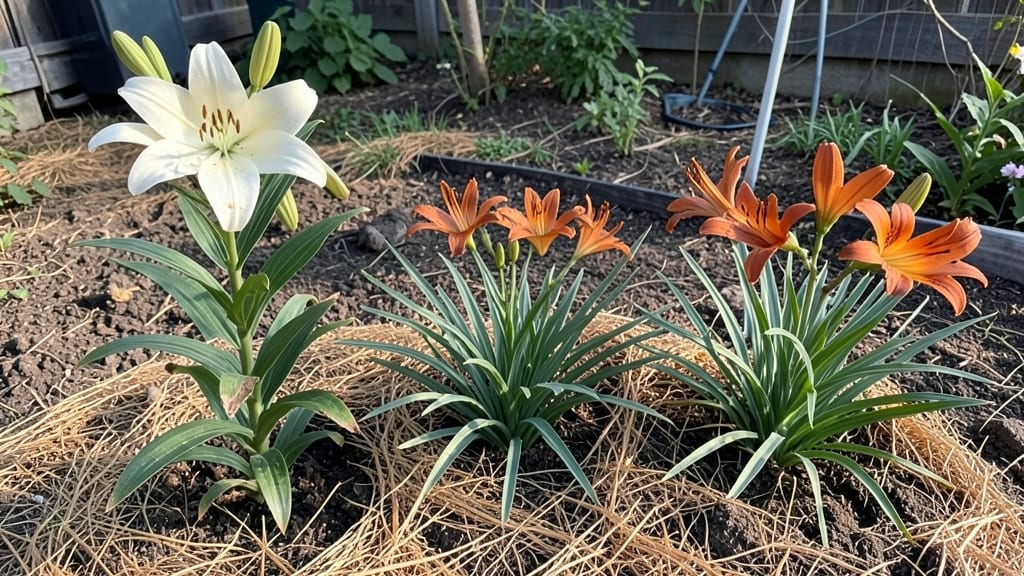
Not all lilies are perennials—while many hardy types like Tiger Lilies (Lilium lancifolium) and Daylilies (Hemerocallis) return yearly, tropical lilies such as Peace Lilies (Spathiphyllum) and Calla Lilies (Zantedeschia) are typically grown as annuals or houseplants in cold climates. Cold hardiness and species origin determine their life cycle.
When you're choosing lilies for your garden, understanding their life cycles saves time and frustration. 🌱 True perennials like Asiatic lilies thrive through winters in zones 4-8, while tropical varieties like Calla Lilies freeze at 32°F and must be brought indoors.
The key difference lies in their root systems—hardy lilies store energy in true bulbs, while tropical types rely on rhizomes that don't survive frost. I've learned that even within "perennial" lilies, some like Stargazer Lilies need winter mulch to protect their delicate foliage from freezing temperatures.
For gardeners in colder regions, this distinction matters most when selecting plants. 💫 Many assume all lilies return yearly, but tropical species like Peace Lilies actually die back completely in winter and regrow from new tubers each spring. The solution?
Choose cold-hardy varieties like Martagon Lilies (Zone 3) or plant tender species in containers that can be moved indoors before the first frost. This small adjustment can mean the difference between a thriving garden and constant replanting.
💡 In This Article
- Lily Life Cycles: Perennial vs Annual Differences
- Cold Hardiness Zones for Growing Perennial Lilies
Lily life cycles: perennial vs annual differences
The botanical distinction between perennial and annual lilies comes down to their root systems and evolutionary adaptations. True perennials like Asiatic and Oriental lilies store energy in true bulbs—layered, underground structures that survive winter dormancy.
These bulbs contain specialized cells that can endure freezing temperatures down to -10°F to 0°F, depending on the variety. The bulbs' outer scales act as natural insulation, protecting the delicate growing point inside from cold damage.
In contrast, tropical lilies such as Peace Lilies and Calla Lilies rely on rhizomes—horizontal, fleshy stems that grow just below the soil surface. These rhizomes contain less protective tissue and are highly sensitive to frost, typically dying back completely when temperatures drop below 32°F.
What most gardeners don't realize is that even within "perennial" categories, there are gradations: Stargazer Lilies, while classified as perennials, require additional winter protection like thick mulch to survive northern winters. 🌿
The science behind these differences lies in their native climates. Hardy lilies evolved in temperate regions where they experience seasonal dormancy, developing thick protective layers around their growing points. Tropical lilies, however, originate in warm, humid environments where temperatures rarely drop below freezing.
Their growth habit is continuous rather than seasonal, which is why they struggle to survive winter exposure in colder climates.
Another key factor is how each type stores nutrients. True bulbs like those of Tiger Lilies can remain dormant for months, slowly metabolizing stored starches to maintain viability. Rhizomatous lilies, however, have a faster metabolism and require consistent warmth to function properly.
This is why Peace Lilies grown outdoors in cold zones often need to be dug up and overwintered indoors—without this care, their rhizomes simply won't survive the freeze-thaw cycles.
Consider the visual differences when planting: true bulbs appear as round, layered structures, while rhizomes look more like thick, knobby roots. The texture of a lily bulb is firm and papery when dry, while rhizomes feel more moist and rubbery.
This physical difference directly correlates with their survival strategies—bulbs are built for endurance, while rhizomes prioritize rapid growth when conditions are favorable. 💡
For gardeners, this means your planting strategy should match the lily's natural tendencies. Hardy perennials can be planted directly in garden beds with proper winter mulch, while tropical varieties need either container growing or indoor overwintering.
The root system you choose at planting time determines whether your lilies will return year after year or need constant replacement.