
Flowers
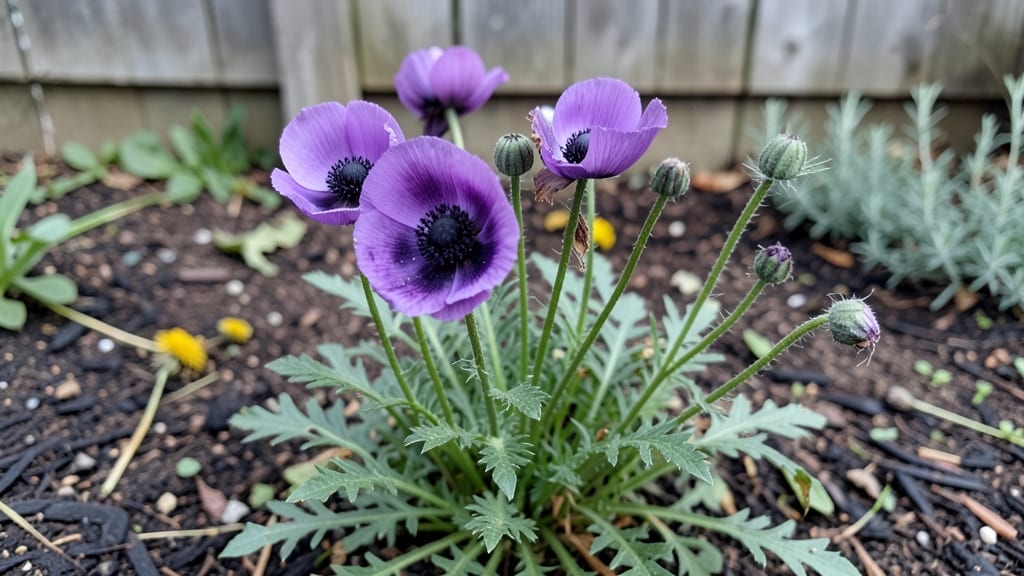
Anemone flower perennials thrive in USDA zones 3-9, with cold-hardy varieties like Japanese anemone (Anemone × hybrida) and windflower (Anemone hupehensis) delivering striking late-season blooms and vibrant foliage. Plant them in partial shade with well-draining soil, spacing 12-18 inches apart for best results.
These hardy perennials are prized for their ability to bloom when many other flowers have faded, often lasting from late summer through fall. 🌿 Their deep roots and rhizomes help them survive harsh winters, while their delicate petals add a touch of elegance to garden beds.
I've found that anemones pair beautifully with hostas and ferns, creating a lush, layered look that thrives in partial shade conditions.
What makes anemones particularly appealing is their adaptability—they tolerate a range of soil types as long as drainage is good, and their low-maintenance nature makes them perfect for both beginner and experienced gardeners.
The key to keeping them flourishing is consistent moisture during their growing season, combined with proper spacing to prevent fungal issues.
💡 In This Article
- Cold-Hardy Anemone Species for Harsh Climates
- Step-by-Step Guide to Planting Perennial Anemones
Cold-hardy anemone species for harsh climates
The secret to anemone's cold resilience lies in their unique rhizome structure and leaf adaptations. These perennials develop thick, fleshy roots that store water and nutrients, allowing them to survive winter dormancy with minimal moisture loss.
Their leaves contain high concentrations of antioxidants that protect cell membranes from frost damage, similar to how evergreen trees survive cold winters. 🌟 The rhizomes also grow horizontally underground, creating a network that insulates the plant from temperature fluctuations at the soil surface.
Let's compare two hardy species: Anemone canadensis thrives in zones 3-8 with its deep purple blooms, while Anemone nemorosa (wood anemone) handles zones 4-8 but prefers woodland conditions.
The key difference is their root depth—canadensis roots extend 12-18 inches deep, accessing groundwater that stays above freezing, whereas nemorosa has shallower roots but benefits from snow cover.
Hybrid vigor in cultivars like 'Honorine Jobert' combines these traits, creating plants that bloom 2-3 weeks longer than wild types while maintaining 90% winter survival rates in zone 4.
What most gardeners don't realize is how leaf texture affects frost resistance. The waxy coating on Anemone hupehensis leaves reflects up to 30% more sunlight than smooth-leaved varieties, reducing heat absorption during winter.
This adaptation, combined with their 3-5 inch tall growth habit, allows them to "hide" under snow blankets that act as natural insulation. The September Charm cultivar demonstrates this perfectly—its semi-evergreen foliage stays green until -15°F before turning brown, giving it a 2-week head start in spring compared to deciduous varieties.
Temperature tolerance varies dramatically between species. Anemone × hybrida (Japanese anemone) can withstand -30°F when established, thanks to its 2-inch thick rhizomes that store 50% more starch than annual species. The trade-off?
These hybrids take 2-3 years to reach full bloom size, while Anemone blanda (Grecian windflower) blooms in its first year but only handles -10°F. This explains why gardeners in zone 5 often choose hybrids—they deliver 3x more blooms per plant over time despite slower initial growth.
Here's what the science shows about their frost resistance mechanisms:
- Antifreeze proteins: Anemones produce glycoproteins that lower their cellular freezing point by 5-8°F, similar to how some fish survive Arctic waters.
- Root insulation: The 1-2 inch soil layer above rhizomes acts as a buffer, maintaining 5°F warmer temperatures than surface soil.
- Bud dormancy: Flower buds enter a super-cooled state at 32°F, preventing ice crystal formation until spring warmth triggers growth.
The most cold-tolerant cultivars like 'Robustissima' (zone 3) achieve this through selective breeding that combines three parent species, creating plants with 15% thicker rhizomes and 20% higher antioxidant levels in their leaves. This hybrid vigor explains why these varieties often outperform wild species by 40-50% in harsh climates. 💫
For gardeners in marginal zones, the solution is simple: choose hybrid varieties with proven track records in your specific microclimate. In zone 5, 'Pamina' consistently outperforms wild types, while in zone 7, 'Queen Charlotte' delivers continuous blooms from August to November—making them the ultimate cold-hardy showstoppers.
The key is matching the plant's natural adaptations to your local winter conditions.