
Pests and Diseases
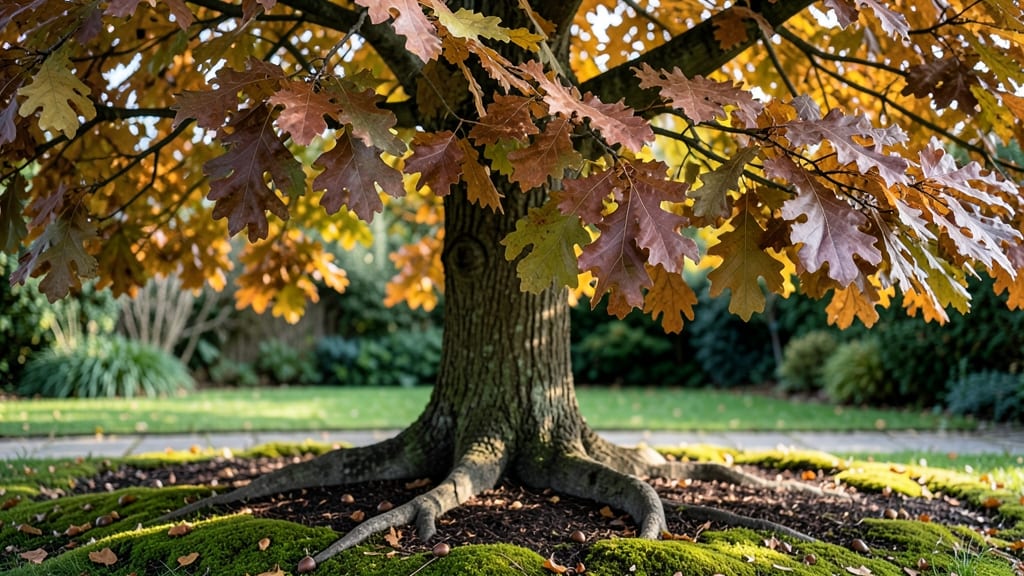
That 5-lobed leaf isn’t just a quirky plant feature—it’s a telltale sign of oak leaf blister gall disease, a fungal infection that turns leaves into twisted, blistered messes. 🌿 I’ve seen entire oaks lose their summer glory because of it, and the good news?
You can stop it before it spreads. The key is spotting the symptoms early: those thick, warty galls that pucker the leaf surface and stunt growth.
This disease thrives in damp spring conditions, so prevention starts with proper watering—keep the base of your oak dry and mulch to improve drainage. Prune infected branches in late winter (when the fungus is dormant) and dispose of them far from your yard.
Healthy oaks fight back better, so fertilize in early spring to boost their resilience before the fungal spores take hold.
If you catch it early, you’ll save your oak’s best leaves—and its overall health. The galls won’t kill the tree, but they’ll weaken it over time, making it easier prey for pests.
With the right care, your oak can bounce back with fresh, smooth leaves by next summer. Here’s how to diagnose and treat it before it’s too late.
This isn’t just about saving a few leaves—it’s about preserving the shade, beauty, and even the value of your oak tree. Whether you’re dealing with a young sapling or a mature giant, these steps work for any oak in your yard. Let’s get your tree back to its full glory.
Root Causes Of Leaf Deformation
Understanding why oak leaves develop a five-lobed, blistered appearance—often a symptom of blister gall disease—requires diving into the science of plant pathology. This condition isn’t just random; it’s a direct response to microbial invasion, environmental stress, or physiological imbalances.
Below, we break down the key triggers behind this deformity, so you can take targeted action to protect your oak trees.
Blister gall disease is primarily caused by the fungus-like organism Taphrina caerulescens, a biotrophic pathogen that thrives on living oak tissues. Here’s how it hijacks your tree’s growth:
- Spore Germination & Infection: The fungus overwinters in infected buds or galls, then releases asexual spores in spring when conditions are moist (50–70% humidity) and temperatures hover between 50–75°F (10–24°C). These spores land on young, expanding leaves and penetrate the epidermis via natural openings or mechanical damage.
- Hormonal Manipulation: Once inside, T. caerulescens secretes plant growth regulators (like auxins and cytokinins) that disrupt cell division.
This causes: - Thickened, blistered leaf surfaces (galls form as the tree overreacts to the pathogen). - Stunted, lobed growth (the fungus redirects energy toward gall formation, stifling normal leaf development). - Blue-green or purplish discoloration (a stress response to fungal toxins).
- Weakened Defense Response: Oaks naturally produce phenolic compounds to fight pathogens, but T. caerulescens suppresses this immune response, allowing it to spread unchecked. Infected trees may also show premature leaf drop or reduced vigor in subsequent seasons.
💡 Pro Tip: Early detection is critical—remove and dispose of infected leaves (do not compost) to prevent spore spread. Prune affected branches before bud break in late winter to limit fungal reservoirs.
While Taphrina is the main culprit, environmental factors create the ideal conditions for outbreaks. Here’s how they contribute:
| Factor | How It Helps the Fungus | Actionable Fix |
|---|---|---|
| Excess Moisture | Prolonged leaf wetness (e.g., rain, overhead watering) keeps spores viable and active. | Improve drainage and water at the base (not foliage). Use drip irrigation. |
| High Humidity | >70% humidity for >24 hours enhances spore germination. | Prune for airflow and avoid dense planting near oaks. |
| Temperature Fluctuations | Rapid swings (e.g., cold nights + warm days) stress trees, making them more susceptible. | Mulch to stabilize soil temps and protect roots. |
| Nutrient Deficiencies | Low potassium (K) or zinc (Zn) weakens cell walls, making them easier to breach. | Test soil and amend with compost or a balanced fertilizer (e.g., 10-10-10). |
| Physical Damage | Hail, insect feeding (e.g., mites), or pruning wounds create entry points. | Seal cuts with pruning sealant and monitor for pests (e.g., lace bugs). |
⚠️ Warning: Young oaks (<10 years old) are most vulnerable because their immune systems are still developing. Older trees can host galls but often tolerate them better.
Sometimes, non-pathogenic stressors mimic blister gall symptoms, leading to lobed or deformed leaves. These include:
- Water Stress:
- Overwatering: Causes root suffocation and anaerobic conditions, leading to cell swelling and blister-like formations.
- Drought: Triggers abscisic acid (ABA) production, which can distort leaf growth as the tree conserves water.
- Solution: Water deeply but infrequently (1–1.5 inches per week) and mulch heavily (3–4 inches) to retain moisture.
- Mineral Toxicity/Deficiency: - Excess manganese (Mn) or boron (B): Accumulates in leaves, causing necrotic spots and lobed edges. - Low magnesium (Mg): Leads to interveinal chlorosis (yellowing between veins), which can warp leaf structure. - Solution: Conduct a soil test and adjust pH (aim for 6.0–7.0 for oaks).
Use chelated iron or Epsom salt (MgSO₄) if deficient.
- Herbicide Drift:
- Growth regulator herbicides (e.g., 2,4-D) can mimic fungal symptoms by altering auxin levels, leading to thickened, lobed leaves.
- Solution: If nearby lawns are treated, apply a fungicide preventatively (e.g., copper-based sprays) and wash leaves with water post-application.
While Taphrina is the primary cause, insects and mites often exacerbate the problem by:
- Weakening leaves (e.g., oak lace bugs suck sap, starving cells).
- Creating wounds (e.g., borers or leaf miners provide entry points for fungi).
- Spreading spores (e.g., ants may transport fungal debris).
🔥 Quick Fixes:
- Blast leaves with water to dislodge pests.
- Use horticultural oil or neem oil to smother eggs/larvae.
- Introduce beneficial insects (e.g., ladybugs, parasitic wasps).
Quick Fixes for Blister Gall Damage
Blister gall disease can turn your oak trees into a battleground of unsightly, swollen growths—but don’t panic! With the right approach, you can manage the issue effectively and even prevent future outbreaks.
Below are practical, step-by-step solutions tailored to the root causes of this pesky problem, along with proactive tips to keep your trees healthy.
If the blister galls are spreading due to fungal spores (like Taphrina caerulescens), your first line of defense is sanitation and protective measures.
🔥 Remove Infected Growths Safely
- Prune Affected Branches
- Use sterilized pruners (wipe with rubbing alcohol or bleach solution) to cut out heavily infected galls and branches.
- Dispose of clippings in a sealed trash bag—do not compost them, as spores can survive.
- Pro Tip: 💡 Target branches with more than 50% gall coverage to prevent further spread.
- Apply Fungicidal Sprays (At the Right Time)
- Best timing: Early spring (before buds swell) and late fall (after leaf drop).
- Use a copper-based fungicide (like Bordeaux mixture) or a sulfur spray, following label instructions.
- Pro Tip: 🌡️ Avoid spraying when temps are above 85°F (29°C)—it can damage leaves.
- Improve Air Circulation
- Thin out dense foliage to reduce humidity, which fungi love.
- Space younger trees 10–15 feet apart to prevent overcrowding.
If secondary pests (like mites or scale insects) are stressing the oak, strengthen the tree’s defenses while controlling the invaders.
🍳 Strengthen the Tree’s Immune System
- Water Deeply & Consistently
- Oak trees need 1–1.5 inches of water per week (more in drought).
- Use drip irrigation to keep moisture at the roots without wetting leaves (which can encourage fungi).
- Fertilize Smartly
- Test soil pH (ideal: 6.0–7.0 for oaks).
- Apply a slow-release, balanced fertilizer (10-10-10 or similar) in early spring.
- Pro Tip: ✨ Avoid high-nitrogen fertilizers—too much can make trees more susceptible to pests.
- Introduce Beneficial Insects
- Ladybugs, lacewings, and predatory mites can help control sap-sucking pests.
- Purchase them from garden centers or release them in the early morning or evening when they’re active.
👨🍳 Target Pests Directly
- For Mites: Spray with neem oil (mix 2 tbsp per gallon of water) or horticultural oil in late winter.
- For Scale Insects: Scrape off clusters with a stiff brush or apply dormant oil in late fall/early spring.
If blister galls are flaring up due to drought, poor soil, or extreme heat, focus on long-term tree health.
🔪 Mulch & Shield the Roots
- Add 2–4 Inches of Mulch
- Use wood chips or shredded bark (keep it 6 inches away from the trunk).
- Mulch retains moisture and regulates soil temperature.
- Shade Young Trees
- Use lightweight shade cloth (30–50% coverage) during peak summer if your area gets intense sun.
- Pro Tip: 🎯 Avoid plastic tarps—they can trap heat and harm roots.
⏰ Monitor & Adjust Watering
- Deep watering (1–2 times per week) is better than frequent shallow watering.
- Check soil moisture with a trowel—if the top 2 inches are dry, it’s time to water.
Once you’ve treated the current issue, keep blister gall at bay with these habits:
- Inspect trees regularly (especially in spring) for early signs of galls or pests.
- Avoid wounding bark—use proper pruning techniques to prevent entry points for fungi.
- Plant resistant oak varieties (like white oak or bur oak) if possible.
- Encourage natural predators by planting bee-friendly flowers near your oaks.
By tackling the specific cause of your oak’s blister gall problem—and combining immediate fixes with long-term care—you’ll give your trees the best shot at staying healthy and gall-free. 🌳💪
Frequently asked questions about oak leaf blister gall disease
Can blister gall disease kill my oak tree?
No, blister gall disease won't kill your oak tree—but it can weaken it over time. The fungal infection causes unsightly galls and stunted growth, but mature oaks usually tolerate it. Young trees (<10 years old) are more vulnerable to stress from the disease. The real danger comes when weakened trees attract pests or fail to recover from other environmental stresses.
How do I tell if my oak has blister gall disease vs. normal leaf variation?
Look for these key differences: blister galls are thick, warty growths that pucker the leaf surface, often with blue-green or purplish discoloration. Normal oak leaves have smooth edges and lobes, while infected leaves appear twisted and deformed. Check for galls on new growth in spring—this is when symptoms first appear.
When is the best time to prune infected branches?
Prune late winter (before buds swell) when the fungus is dormant. Never prune during wet spring conditions—this spreads spores. Sterilize your tools with rubbing alcohol between cuts, and dispose of infected branches in sealed bags. Avoid heavy pruning in summer, as this stresses the tree and makes it more susceptible to infection.
Will fungicides really help, or is it just a temporary fix?
Copper-based fungicides (like Bordeaux mixture) can significantly reduce spore spread when applied before buds swell in early spring. They're not a cure-all, but they create a protective barrier. For best results, combine fungicides with proper sanitation (removing infected growths) and improving tree health through balanced fertilization and proper watering.
My oak leaves have 5 lobes but no galls—could it still be blister gall?
Not likely. True blister gall disease causes thickened, blistered growths on leaves, not just lobed shapes. If you see smooth, 5-lobed leaves without galls, it might be a normal leaf variation or a different issue like herbicide drift or nutrient deficiency. Check for other symptoms like yellowing between veins (magnesium deficiency) or irregular leaf edges (manganese toxicity).