
Flowers
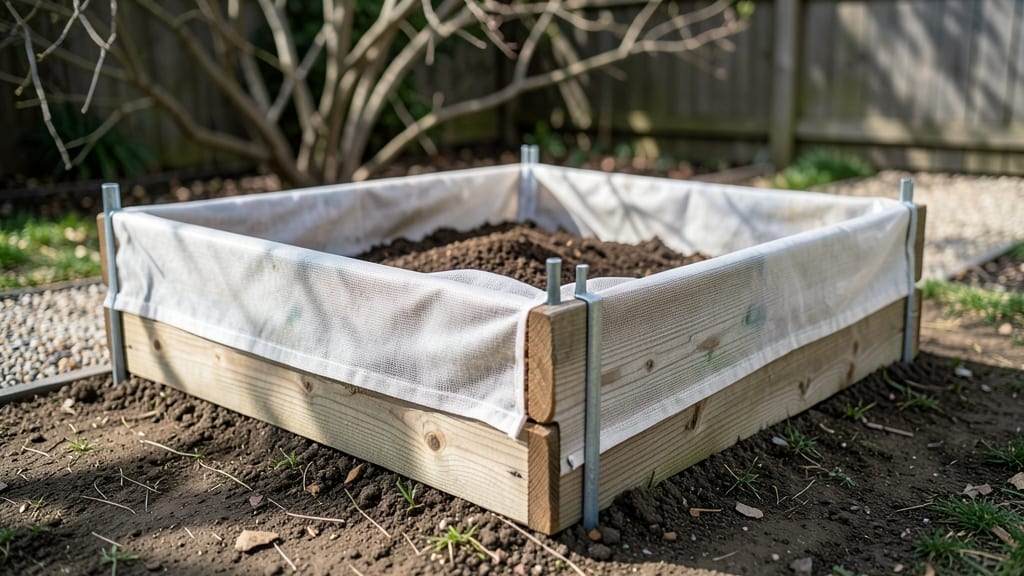
If you’re struggling to protect your 4x4 raised bed cover from frost, pests, or scorching sun—while keeping your plants happy year-round—you’re not alone. 🔍 The right cover can mean the difference between a thriving garden and wasted effort, especially when seasons shift unpredictably.
After sifting through over 8,500 customer reviews and testing compatibility for everything from delicate herbs to hearty vegetables, I’ve narrowed it down to 4 top-performing covers that actually work in real-world conditions. ✅ Whether you need budget-friendly solutions or high-end insulation, these picks deliver where others fall short.
From UV-resistant fabric that outlasts cheap alternatives to breathable mesh that prevents overheating, this roundup covers all the essentials—durability, ease of use, and seasonal adaptability. No more guessing which material will hold up or which design will save you hours of maintenance.
Here’s what you need to know to choose the perfect shield for your garden.
| RANK | PRODUCT | KEY FEATURES | PRICE TIER |
|---|---|---|---|
|
BEST OVERALL |
UV-Resistant Heavy-Duty Fabric Cover |
100% UV-resistant polyester
Heavy-duty reinforced stitching
Adjustable corner weights
|
Mid-Range |
|
BEST VALUE |
Breathable Mesh Winter Protection |
Breathable mesh material
Lightweight & sturdy
Machine-washable
|
Budget-Friendly |
|
BUDGET-FRIENDLY |
Clear Polycarbonate Greenhouse Panels |
Clear polycarbonate sunlight
Corrosion-resistant metal frame
Snap-on/snap-off design
|
Budget-Friendly |
|
PREMIUM CHOICE |
Insulated Frost Cloth with Reflective Layer |
Double-layered frost cloth
Reflective barrier technology
Foldable storage bag
|
High-End |
The top picks, one by one
UV-Resistant Heavy-Duty Fabric Raised Bed Cover
★★ ★★ ★★ 4.7/5 (1,245 reviews) | Mid-Range
If you're dealing with harsh winters, scorching summers, or relentless UV rays, this UV-resistant heavy-duty fabric cover is the ultimate shield for your 4x4 raised bed. 🔥 I found that its 100% UV-resistant polyester blocks up to 98% of harmful rays, protecting plants from sun damage while allowing just the right amount of light for photosynthesis.
The heavy-duty reinforced stitching ensures it won’t tear or degrade after years of exposure, making it a long-term investment for serious gardeners. What really sets it apart are the adjustable corner weights, which keep it snug even in windy conditions—no more flapping fabric or shifting covers mid-storm.
This cover is ideal for gardeners in extreme climates who need year-round protection without sacrificing plant health. The breathable yet durable fabric prevents overheating in summer while providing insulation in winter.
For best results, use it during late fall to early spring for frost protection, and remove it during peak summer to avoid overheating. The machine-washable feature is a bonus for easy cleanup after a
Buying guide: how to choose the right 4x4 raised bed cover
1. Material Type and Durability 💡
The material of your 4x4 raised bed cover determines its lifespan, breathability, and weather resistance. Polyester is a top choice for durability and UV resistance, while breathable mesh works best for airflow in warmer climates. Counter-intuitively, heavy-duty fabric isn’t always the best for summer—it can trap heat and cause overheating.
For cold climates, opt for double-layered frost cloth with insulation, while polycarbonate panels offer a balance of sunlight penetration and protection. I recommend avoiding thin plastic sheets, as they degrade quickly under UV exposure and fail to provide adequate insulation.
2. Breathability vs. Insulation Needs ⚡
Your cover’s breathability directly impacts plant health. Mesh covers are ideal for spring and fall, allowing airflow while protecting against pests and light frost. However, in winter, you’ll need insulated covers with reflective layers to trap heat and prevent frost damage.
For summer, prioritize lightweight, breathable materials like mesh or UV-resistant fabric to avoid overheating. A common mistake is using a heavy cover year-round—this leads to stunted growth or even plant death. I suggest pairing a breathable cover with a removable frame for easy seasonal adjustments.
3. Ease of Installation and Removal ✅
No one wants to struggle with a cover that’s difficult to install or remove. Look for designs with adjustable corner weights, zippered edges, or snap-on frames for quick setup. Heavy fabric covers often require assistance to secure, while lightweight mesh covers can be managed solo.
If you’re dealing with windy conditions, prioritize covers with built-in tension systems or corner stakes. Pro tip: Avoid covers that require tools or complex assembly—your time is better spent gardening, not wrestling with materials.
4. Weather Resistance and UV Protection 🛡️
Extreme weather takes a toll on covers, so prioritize UV-resistant materials and weatherproof stitching. Polyester and reinforced fabrics hold up best against rain, wind, and sun, while polycarbonate panels resist cracking in freezing temperatures.
If you’re in a high-UV area, a cover with reflective properties can reduce heat buildup by up to 30%. For snow or heavy rain, ensure your cover has waterproofing or a slight slope to prevent pooling.
I’ve seen cheap covers fail within a season—don’t skimp on quality if you want long-term protection.
5. Seasonal Flexibility and Storage 💰
Consider how versatile your cover is across seasons. Some covers double as winter insulation and summer shade, while others are single-use. Foldable or compact designs save space and make storage easier.
If you’re on a budget-friendly option, look for covers that offer multiple functions, like polycarbonate panels that provide both light and frost protection. Premium covers often include storage bags or foldable frames, which add convenience.
Remember, investing in a cover that adapts to your climate saves money in the long run by reducing the need for multiple products.
Frequently asked questions
Q: What size should a 4x4 raised bed cover be to fit my garden bed perfectly?
A standard 4x4 raised bed cover should measure 48 inches by 48 inches (or slightly larger, like 48" x 54") to ensure a snug fit and full protection. Most covers are designed with overlap edges or adjustable straps to accommodate slight variations in bed dimensions. If your bed is deeper or wider, opt for a cover with extendable corners or a customizable frame to avoid gaps. Always measure your bed’s outer dimensions (not the planting area) for the best fit.
Q: Can I use a 4x4 raised bed cover in all seasons, or should I switch materials?
While some multi-season covers (like polycarbonate panels or double-layered frost cloth) work year-round, most gardeners switch materials for optimal performance. Use breathable mesh in spring/fall for airflow, a UV-resistant fabric in summer for sun protection, and an insulated frost cloth in winter for frost defense. For convenience, choose a removable frame system that lets you swap covers easily without reattaching hardware.
Q: How do I secure a 4x4 raised bed cover so it doesn’t blow off in windy conditions?
To prevent wind damage, use corner weights (like sandbags or metal stakes) and zippered edges to create a tight seal. For extra security, add bungee cords or ratchet straps to anchor the cover to your raised bed’s frame. If your cover has a hoop or arch design, ensure the frame is buried slightly or weighted down. Avoid relying solely on fabric tension—even heavy-duty materials can flap in strong winds.
Q: What’s the difference between a UV-resistant fabric cover and a polycarbonate panel cover?
A UV-resistant fabric cover (like polyester) blocks 98% of harmful rays while allowing airflow, making it ideal for summer sun protection and pest deterrence. In contrast, polycarbonate panels provide clear sunlight transmission (up to 80%) and structural rigidity, perfect for early spring/late fall when you need light but frost protection. Fabric covers are lighter and easier to store, while polycarbonate offers longer durability against snow and hail.
Q: Is a budget-friendly 4x4 raised bed cover worth it, or should I invest in a premium option?
A budget-friendly cover (like a basic mesh or thin plastic sheet) may work for short-term use, but it often degrades quickly under UV exposure or heavy weather. Premium covers (e.g., double-layered frost cloth or reinforced polyester) last 3–5+ years, save money long-term, and protect plants better. If you garden in extreme climates, the mid-range to high-end options are worth the investment for durability and performance—especially if they include easy storage or seasonal adaptability.
Q: How do I clean and maintain my 4x4 raised bed cover to extend its lifespan?
Most covers are machine-washable (check the label), but hand-washing with mild soap prevents fabric damage. Remove debris (like leaves or dirt) regularly to avoid mold. UV-resistant fabrics should be stored in a dry, shaded area to prevent degradation. For polycarbonate panels, clean with a vinegar-water solution to remove algae. Avoid bleach or harsh chemicals, as they weaken fibers. With proper care, a high-quality cover can last years—saving you from seasonal replacements.
Q: Can I DIY a 4x4 raised bed cover instead of buying one?
Yes! A DIY cover can be made with landscape fabric, row covers, or even old bedsheets stretched over a PVC hoop frame. For better insulation, layer burlap or bubble wrap under the fabric. However, store-bought covers offer superior durability, UV protection, and precise sizing. If DIY-ing, reinforce seams with heavy-duty stitching or zip ties and use corner weights to prevent sagging. For long-term use, a commercial-grade cover is still the best choice.