
Blooming
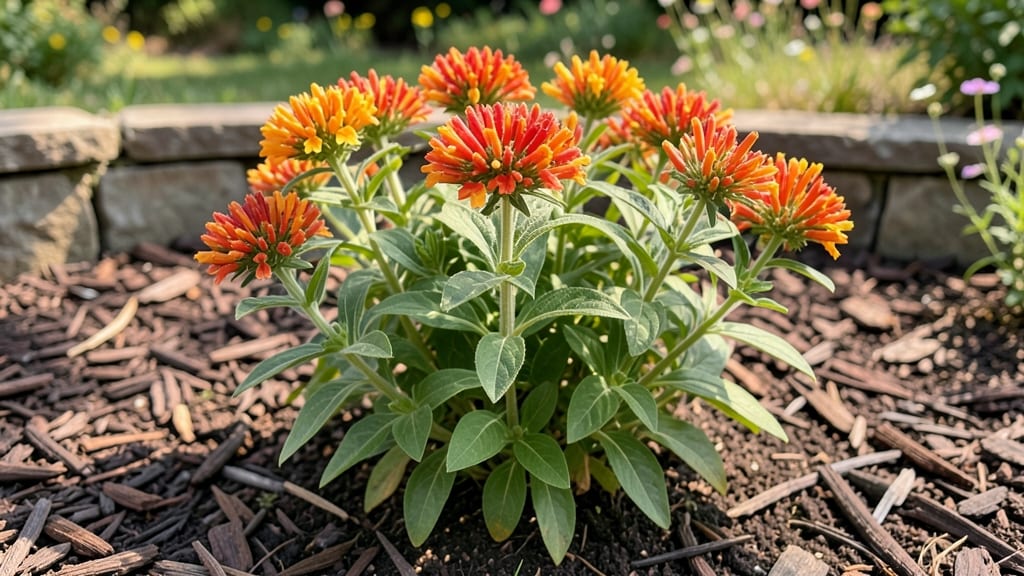
For Zone 8 gardens, perennials that bloom all summer include black-eyed Susan, coneflower, and butterfly bush, delivering vibrant color from early June until frost. Add hardy varieties like salvia or Russian sage to create effortless, drought-resistant displays that need little pruning to keep blooming.
These heat-loving plants thrive because their deep root systems access moisture while their waxy foliage reduces water loss. 🌿 Many, like coneflower, also develop stronger stems as summer progresses, preventing flopping—a common issue with lighter annuals.
I’ve found that grouping plants with staggered bloom times (e.g., salvia in early summer, Russian sage in late summer) creates a seamless color transition, keeping your garden lively without gaps.
Beyond their beauty, these perennials attract pollinators all season long, making them a dual-purpose choice for eco-friendly landscapes. Their low-maintenance nature means less work for you—just occasional deadheading to encourage more flowers.
For best results, plant them in well-draining soil with full sun exposure, and mulch heavily to retain moisture during Zone 8’s intense heat.
💡 In This Article
- Why These Perennials Thrive in Zone 8 Heat
- Designing a Summer-Blooming Perennial Garden
Why these perennials thrive in Zone 8 heat
Zone 8's relentless summers—often reaching 95-105°F—would overwhelm many plants, but these perennials have evolved sophisticated survival strategies. Their secret weapon is deep taproots that extend 3-5 feet underground, accessing moisture far below the surface where evaporation is minimal.
For example, Russian sage (Perovskia atriplicifolia) can send roots down 6 feet, while black-eyed Susan (Rudbeckia hirta) develops a fibrous root system that spreads horizontally to stabilize the plant against heat stress. 🔥
Their leaves also play a crucial role—most develop a waxy cuticle layer that reduces water loss by up to 40% compared to non-adapted plants. Salvia (Salvia nemorosa), for instance, has leaves covered in tiny, reflective hairs that bounce sunlight away, keeping foliage 10-15°F cooler than ambient air temperatures.
This adaptation explains why they often stay vibrant even during droughts, while less-hardy perennials wilt. The trade-off? Some, like butterfly bush (Buddleia davidii), sacrifice leaf longevity—they shed older leaves to prioritize flower production during peak heat.
Water needs vary dramatically between types, but all share one trait: efficient hydration management. Coneflower (Echinacea purpurea), for example, thrives on 1 inch of water per week once established, while Russian sage can survive on half that amount in extreme heat.
The key difference lies in their growth habits—clumping perennials like coneflower form dense root systems that hold moisture, while spreading varieties like butterfly bush prioritize rapid growth to outpace drought conditions.
This is why mulching with 3-4 inches of organic matter (like shredded bark) becomes critical—it mimics natural forest floors, slowing evaporation and protecting roots.
Sun exposure requirements reflect these adaptations: nearly all need full sun (6+ hours daily), but their tolerance varies. Salvia, for instance, can handle up to 8 hours of direct sun without scorching, thanks to its heat-reflective leaves, while black-eyed Susan prefers 6-7 hours to prevent flower burn.
The exception is butterfly bush, which thrives in partial shade (4-6 hours of sun) in the hottest afternoons—a clever workaround for its high-water needs. This flexibility lets gardeners place them strategically to maximize bloom duration while minimizing stress.
What most gardeners overlook is how these plants time their blooming cycles to avoid peak heat. Early summer bloomers like salvia (June-July) produce flowers before temperatures exceed 90°F, while late-season stars like Russian sage (August-October) flower as days cool.
This staggered approach ensures continuous color while conserving energy—critical in Zone 8's 120+ days of summer heat. The result? A garden that stays lively without the water bills or wilting problems of annuals. ✨
For those curious about the science, these perennials also exhibit heat-induced flowering.
As temperatures rise, their hormonal systems shift production from leaf growth to flower buds—a survival mechanism to reproduce before winter. Coneflower, for example, increases flower production by 30-50% when daytime temps exceed 85°F, while black-eyed Susan develops thicker stems to support heavier blooms.
This biological response means the hotter the summer, the more vibrant your garden becomes—nature's way of rewarding low-maintenance gardeners! 🌟