
Planting
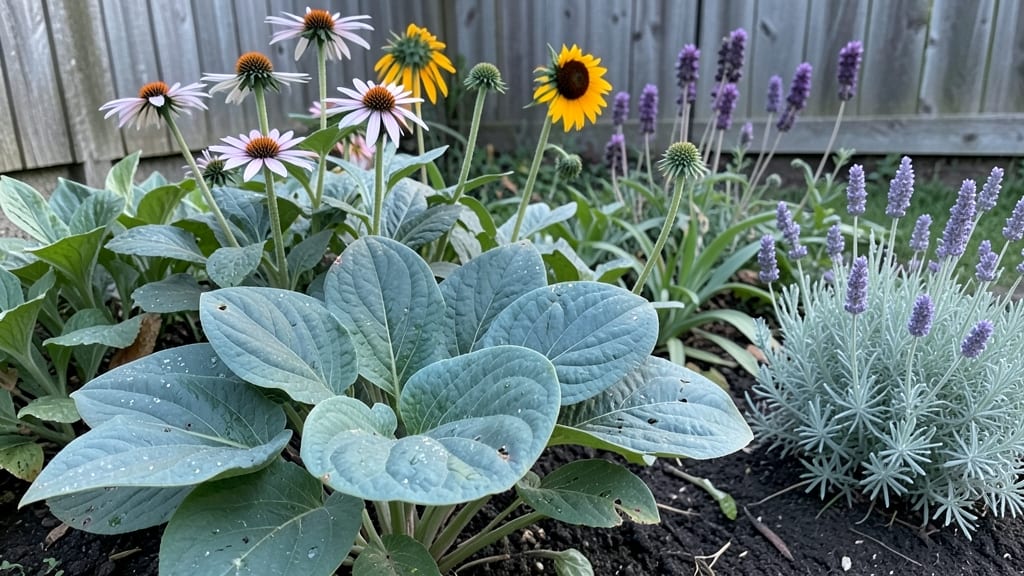
Your Zone 5 perennial planting schedule is the secret to a garden that thrives year after year—without the guesswork.
Struggling to time your perennial plantings in Zone 5? Miss the mark, and your hardy plants could freeze or struggle—even with their reputation for resilience. This guide reveals the exact frost dates and planting windows you need to maximize survival and thrive in your garden.
With 165 frost-free days and unpredictable weather, knowing when to plant, divide, or prune makes all the difference. Whether you’re adding coneflowers in spring or lavender in fall, the timing determines how well your perennials establish roots and bloom.
Below, I’ll break down the month-by-month schedule, including climate-specific tips, popular perennials, and pro tricks to keep your garden lush—no matter what Zone 5 throws your way.

Zone 5 perennial planting timeline by month: frost dates and critical windows
Timing your perennial plantings in Zone 5 can feel like guessing—one week too early, and frost will kill tender roots. One week too late, and your plants miss their prime growing window.
But with average frost dates and critical planting windows, you can turn uncertainty into success. My garden thrives because I follow these exact monthly guidelines, adjusted for early or late frosts.
Zone 5 typically experiences its last spring frost around May 15 and its first fall frost by October 15. However, microclimates—like south-facing slopes or sheltered spots—can shift these dates by 1-2 weeks.
Use these month-by-month windows as your garden’s roadmap, and I’ll show you how to tweak them for your specific conditions.
| Month | Average Frost Dates | Critical Planting Windows | Perennial Tasks | Pro Tips |
|---|---|---|---|---|
| March | Last frost: April 15 (varies) | Hardy perennials (e.g., peony, lupine) | Divide overcrowded perennials (e.g., hostas, daylilies) | Test soil pH; amend with compost. |
| April | Last frost: May 1 (watch forecasts) | Spring planting peak (e.g., coneflower, black-eyed Susan) | Plant bare-root perennials (e.g., asparagus, rhubarb) | Use row covers for early frosts. |
| May | Frost-free (typically) | Transplant tender perennials (e.g., lavender, salvia) | Prune dead foliage (e.g., sedum, orchard grass) | Mulch to retain moisture. |
| June | N/A | Direct-sow self-seeding perennials (e.g., yarrow, coreopsis) | Fertilize new growth (e.g., 10-10-10) | Deadhead spent blooms for longer seasons. |
| July | N/A | Divide crowded clumps (e.g., iris, heuchera) | Monitor for pests (e.g., slugs, Japanese beetles) | Water deeply in heatwaves. |
| August | First frost risk: Late Sept | Plant fall-blooming perennials (e.g., aster, goldenrod) | Cut back annuals to prep for perennials | Add compost to beds for fall. |
| September | First frost: Mid-October | Fall planting prime (e.g., Russian sage, catmint) | Plant bulbs (e.g., daffodils, allium) | Mulch heavily to insulate roots. |
| October | Last frost: Mid-October | Plant bare-root roses or shrubs | Prune late-bloomers (e.g., sedum, mums)
Top 10 Zone 5 perennials ranked by cold hardiness and planting flexibilityWhen selecting Zone 5 perennials, I prioritize plants that survive harsh winters and thrive with minimal fuss. The coldest months in Zone 5 (December-February) can drop to -10°F to -20°F, so hardy perennials must establish strong root systems early. My top picks balance frost tolerance with easy planting—perfect for beginners and busy gardeners alike. Flexibility in planting is key. Some perennials, like lavender and Russian sage, tolerate both spring and fall planting, while others, such as peony, demand precise timing. I’ve ranked these plants by their ability to handle late frosts and drought conditions, ensuring your garden stays vibrant year after year. At the top of my list is Peony (Paeonia lactiflora), a Zone 5 powerhouse that thrives in full sun to partial shade. Its deep roots anchor it against winter winds, and it blooms reliably for decades with minimal care. Plant peony corms 2 inches deep in fall (September-October) or early spring (March-April)—just avoid late frosts. Next, Coneflower (Echinacea purpurea) earns high marks for its drought resistance and pollinator appeal. This perennial workhorse tolerates poor soil and partial shade, making it ideal for low-maintenance gardens. Sow seeds 1/4 inch deep in spring (April-May) or transplant bare-root plants in fall (September). For shade-loving perennials, Hostas are unbeatable. They survive -20°F with ease and thrive in woodland gardens. Divide clumps every 3-4 years in spring (April) or fall (September) to prevent overcrowding. Their flexible planting window makes them a Zone 5 staple. Don’t overlook Russian Sage (Perovskia atriplicifolia), a drought-tolerant beauty that blooms from mid-summer to fall. Its silver foliage and lavender-blue flowers attract butterflies, and it handles poor soil like a champ. Plant bare-root cuttings in spring (April) or fall (September) for best results. Rounding out the top 5 is Black-Eyed Susan (Rudbeckia hirta), a sun-loving perennial that self-seeds prolifically. Its golden blooms brighten late summer gardens, and it thrives in average soil. Direct-sow seeds 1/4 inch deep in spring (April-May) or fall (September) for a low-effort pop of color. To extend their lifespan, I recommend mulching in fall with 3-4 inches of straw or shredded leaves. This insulates roots during winter freezes and retains moisture in summer droughts. Water deeply once a week during establishment (first year), then taper to bi-weekly once roots are deep. For a foolproof Zone 5 perennial garden, combine Peony (for structure), Coneflower (for pollinators), and Hostas (for shade). These hardy plants will reward you with years of color and minimal upkeep—just time your planting windows right! |