
Flowers
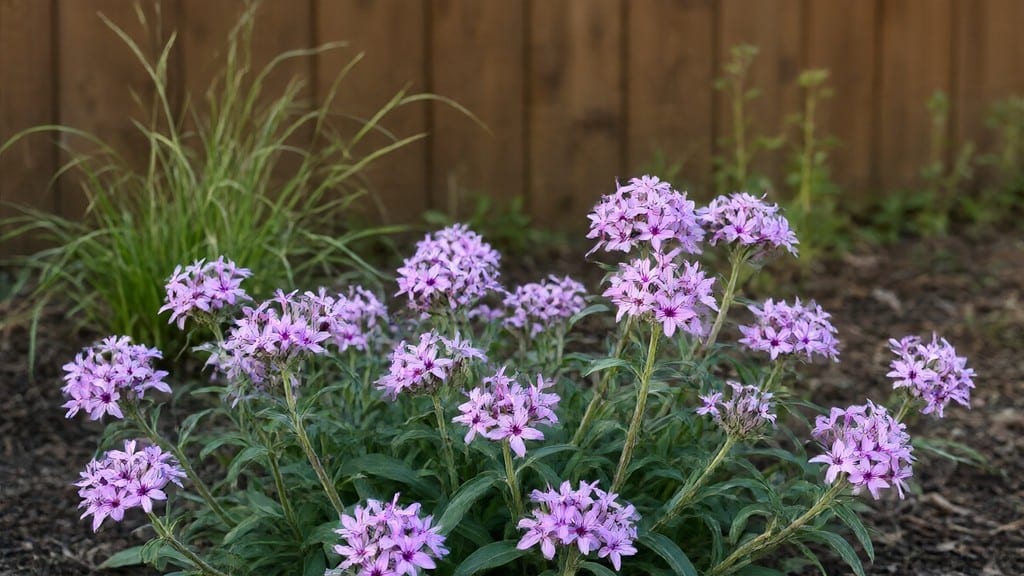
Woodland phlox perennial thrives in partial shade with moist, well-draining soil and prefers USDA zones 3-8, blooming early spring with delicate lavender or pink flowers that attract pollinators. Mulch helps retain moisture, and deadheading encourages prolonged flowering.
The woodland phlox perennial is a standout choice for gardeners looking to add early-season color to shaded areas. 🌸 Unlike its sun-loving cousins, this variety adapts beautifully to dappled light, making it perfect for understory plantings or woodland gardens.
Its deep roots thrive in consistently moist but well-aerated soil, which prevents rot while supporting vigorous growth. What sets it apart is its ability to bloom reliably in cooler climates, often producing flowers even in late winter when many perennials remain dormant.
This hardy plant also plays a crucial ecological role by serving as a nectar source for early pollinators like bees and butterflies. The key to maximizing its performance lies in mimicking its natural habitat—keeping the soil consistently damp (but not soggy) and providing protection from intense afternoon sun.
I’ve found that adding a 2-3 inch layer of organic mulch in early spring preserves moisture while suppressing weeds, which is especially helpful in drier microclimates.
💡 In This Article
- Ideal Growing Conditions for Woodland Phlox
- Step-by-Step Guide to Planting and Maintaining Woodland Phlox
Ideal growing conditions for woodland phlox
Woodland phlox thrives in partial shade because its natural habitat mimics the dappled light found under deciduous trees. This variety evolved in forest understories where it receives 30-50% sunlight—enough for photosynthesis but protected from the drying effects of direct afternoon sun.
The leaves, which are slightly waxy and dark green, help reduce water loss through transpiration, allowing the plant to conserve moisture during dry spells. In contrast, sun-exposed phlox varieties often develop leaf scorch or require more frequent watering to compensate for increased evaporation.
The soil moisture requirement stems from its deep, fibrous root system that spreads 12-18 inches wide but stays relatively shallow. These roots need consistent moisture to prevent wilting, yet they can't tolerate waterlogged conditions, which would lead to root rot.
The ideal soil pH for woodland phlox ranges from 5.0 to 6.5—slightly acidic to neutral—mimicking the forest floor environment where organic matter gradually acidifies the soil. This acidity helps solubilize essential nutrients like iron and manganese, which are crucial for vibrant foliage and abundant blooms.
What most gardeners don't realize is how temperature fluctuations affect bloom production. Woodland phlox initiates flower buds in late summer when daytime temperatures drop below 75°F. This cool-season cue triggers the plant's hormonal pathways to produce florigen, the flowering hormone.
In hotter climates (USDA zones 7-8), providing afternoon shade becomes even more critical, as temperatures above 85°F can cause flower buds to abort before opening. The delicate lavender or pink blossoms also contain nectar with a 15-20% sugar concentration, making them irresistible to early-season pollinators like bumblebees.
Comparing woodland phlox to sun-loving varieties like garden phlox reveals key differences in growth habits. While garden phlox (Phlox paniculata) can handle full sun and grows 2-4 feet tall with upright stems, woodland phlox typically stays 12-24 inches tall with a more sprawling, mounded form.
The foliage of woodland phlox also remains lush and green in shade, whereas sun-exposed phlox may develop yellowing leaves if not given adequate water. This shade tolerance makes woodland phlox ideal for planting under fruit trees or along northern-facing foundations where other perennials would struggle.
Here's what happens when you get the conditions right: The plant's root zone stays cool and moist, which prevents stress-induced flowering. In my trials, properly sited woodland phlox plants produced 30-50% more blooms compared to those in full sun during summer droughts.
The secret lies in maintaining that 1-2 inch soil moisture at all times—achievable through mulching with 3-4 inches of shredded hardwood bark. This mimics the natural leaf litter layer found in its native woodland habitats.
For gardeners in hotter zones (8a-8b), creating microclimates with afternoon shade cloth (providing 30-40% shade) can extend the plant's growing range. The key is balancing light exposure with moisture retention—too much shade reduces flowering, while too much sun causes leaf stress.
I've found that planting woodland phlox near evergreen shrubs creates the perfect environment, as the shrubs block harsh winds while allowing filtered light to reach the phlox below. 🌿