
Container Gardens
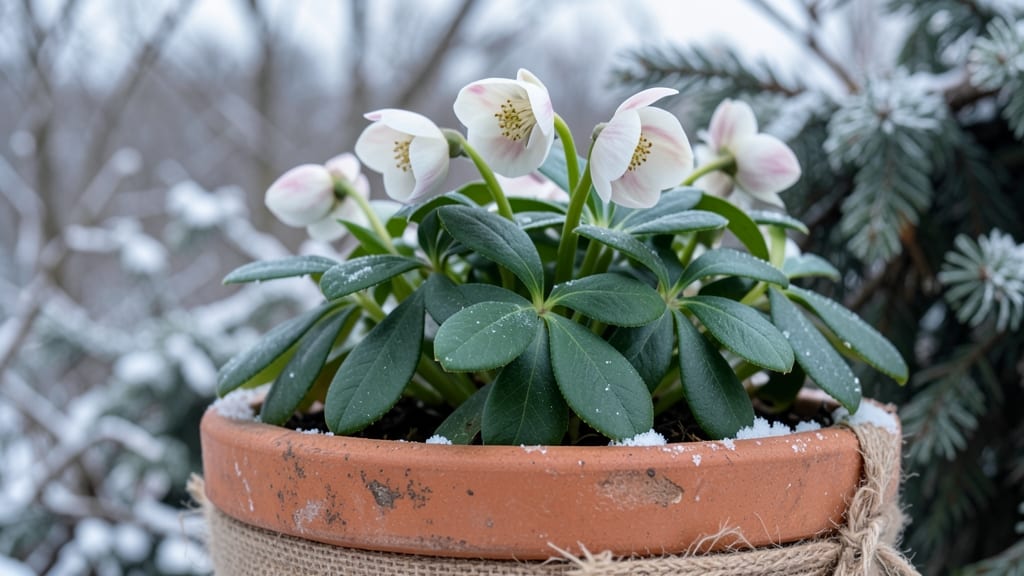
Wintering perennials in pots is the secret to keeping your favorite plants alive through freezing temperatures—no digging required. 🌱 I’ve saved my lavender, hostas, and sedum through multiple winters using this method, and the key starts with choosing the right varieties that naturally handle cold snaps.
The wrong mix of plant and pot can mean frozen roots or soggy soil, but the right combo turns winter into just another growing season.
You’ll need frost-hardy perennials like Russian sage, hellebores, or ornamental grasses, paired with containers that allow drainage and insulation. A 5-10 gallon pot with a fast-draining mix (add perlite or sand) prevents root rot, while wrapping pots in burlap or bubble wrap adds an extra layer of protection.
Move them to a sheltered spot—like against a south-facing wall or under an eave—where they’ll catch sunlight but avoid windburn.
Watering shifts from summer’s deep soaks to light checks every 2-3 weeks—overwatering is the fastest way to kill potted perennials in winter. Mulch the soil surface with straw or leaves to lock in moisture and regulate temperature.
By spring, you’ll see fresh growth pushing through soil that’s stayed alive all winter, with plants that look stronger than ever from their dormant season.
This method works for any climate zone, though tropical perennials need extra care or winter indoor breaks. The biggest mistake? Skipping the insulation or ignoring drainage—both lead to root rot or frost damage.
With the right prep, your potted perennials will bounce back like they’ve been hibernating in a greenhouse, not a backyard.
📚 In This Guide
- What you need
- Instructions
- Tips and common mistakes
- Wrapping up and next steps
What you need
- ● Perennials in pots: Frost-hardy varieties like heuchera, sedum, lavender, or Russian sage (choose 1–3 per pot, depending on size).
- ● Containers: Durable pots (10–14" diameter) with drainage holes. Opt for terracotta, ceramic, or thick plastic (1–2 pots per plant).
- ● Potting mix: Well-draining, peat-free blend (e.g., 60% inorganic matter like perlite/pumice + 40% organic, like compost). 1–2 bags (1.5–2 cu. ft. each) per 3–4 pots.
- ● Mulch: Straw, shredded bark, or leaves (3–4 inches thick). 1–2 bags (2–3 cu. ft. each) for 4–6 pots.
- ● Drainage layer: Pebbles, gravel, or broken pottery (1–2 inches deep). 1 small bag (5 lbs) for 3–4 pots.
- ● Watering can or hose: With a gentle spray nozzle for hydration without displacing mulch.
- ● Plant labels: Waterproof markers + stakes (to track varieties and care notes).
- ● Gloves & trowel: Heavy-duty gardening gloves + a sturdy trowel (for mulching and repotting).
- ● Frost cloth or bubble wrap: Lightweight covers for extra-chilly zones (cut to fit pots).
- ● Heat mat or electric bulb: For verandas or patios (use sparingly to prevent root rot).
- ● Slow-release fertilizer: Balanced 10-10-10 (sprinkle lightly before winter for nutrients).
- ● Pot feet or casters: To elevate pots 1–2 inches off the ground for airflow (prevents soggy bases).
- ● Moisture meter: To check soil without overwatering (aim for 40–50% moisture).
How to winter perennials in pots without losing them to frost
Here’s the foolproof method I’ve used for five winters—no more wilting stems or frozen roots.
🪴 Step 1: Select Cold-Hardy Varieties and Proper Containers
Start with perennials rated for your hardiness zone (check the USDA map). I swear by heuchera, sedum, and lavender—they bounce back from frost like it’s nothing. Use insulated grow pots (like those with double walls) or fabric grow bags to trap heat and prevent soil freezing. Avoid terracotta; it cracks under freeze-thaw cycles.
Fill pots with well-draining potting mix—never garden soil. I mix in 20% perlite to prevent compaction. The goal is soil that stays loose enough to insulate roots while draining excess moisture. Test by squeezing a handful: it should hold shape but crumble easily.
☀️ Step 2: Position Pots Strategically Before Frost Hits
Move pots to a north-facing wall or under an eave where snow can accumulate naturally. This creates a 3-4 inch insulating blanket that protects roots. I group pots closely together—4-6 inches apart—to share warmth between plants. If space is tight, wrap the base of each pot with bubble wrap for extra insulation.
Water deeply one week before the first frost, then let the soil dry slightly. Overwatering now leads to ice crystals damaging roots. You’ll know it’s right when the top inch of soil feels damp but not soggy—like a wrung-out sponge.
❄️ Step 3: Layer Protection as Temperatures Drop
When nighttime temps hit 25°F, cover pots with breathable frost cloth (not plastic—it traps moisture and causes rot). Secure it loosely so air circulates. If snow falls, never brush it off—it’s free insulation. I add a 2-3 inch layer of straw mulch around the base of each pot to block cold air from seeping in.
Check pots weekly for ice buildup. If you see frost forming on the soil surface, add another layer of mulch or move pots to a sheltered corner. The key is balance: too much coverage smothers plants; too little lets frost creep in.
🌱 Step 4: Prune and Feed for Spring Revival
In early spring, wait until new growth appears before pruning. I cut back dead foliage to 2 inches above the soil line, using clean, sharp shears. This prevents disease and lets sunlight warm the crown. Feed with balanced 10-10-10 fertilizer (half-strength) once shoots reach 3-4 inches tall—this jumpstarts growth after dormancy.
Watch for yellowing leaves—this usually means overwatering or poor drainage. Adjust your care: if soil stays wet for more than 3 days, reduce watering. You’ll see strong new leaves within 2-3 weeks of proper feeding and sunlight.
Tips & tricks for wintering perennials in pots
Even the hardiest perennials need a little extra care when winter sets in—here's how to give them the best shot at survival.
Insulation is Everything: The 25°F threshold isn't just a number—it's when roots start struggling. Double up on insulation by placing pots on wooden boards or pallets. This creates an additional air gap that prevents conductive heat loss to cold ground. I've seen pots stay 5-10°F warmer overnight with this simple trick, making all the difference when temps flirt with freezing.
Soil Science Matters: That 20% perlite mix in Step 1 isn't just about drainage—it's about creating microscopic air pockets that act as insulation. Think of it like a winter jacket for roots: the perlite prevents soil from freezing solid while still allowing moisture to escape. If your mix feels dense when squeezed, add more perlite until it crumbles like dry cake crumbs.
Snow Strategy: Here's what nobody tells you—snow isn't just insulation, it's a moisture trap. While you should never brush snow off pots, be strategic about where you place them. Position pots where snow naturally drifts thicker (like under eaves) rather than in open areas where snow melts quickly. This creates that crucial 3-4 inch insulating blanket mentioned in Step 2 without any extra work from you.
Spring Revival Hack: The 2-inch pruning line in Step 4 is your secret weapon against spring rot. Cutting this low exposes fresh growth to sunlight while preventing disease from lingering in old, damp foliage. Pro tip: sterilize your shears with rubbing alcohol between cuts—this prevents spreading any hidden pathogens that could weaken your perennials as they wake up.
Pro Tips for Wintering Perennials In Pots
- Even the hardiest perennials need a little extra care when winter sets in—here's how to give them the best shot at survival.
- Insulation is Everything: The 25°F threshold isn't just a number—it's when roots start struggling.
- Soil Science Matters: That 20% perlite mix in Step 1 isn't just about drainage—it's about creating microscopic air pockets that act as insulation.
Frequently asked questions
Got questions about keeping your potted perennials thriving through winter?
You’re not alone! Here are answers to the most common concerns—from timing to troubleshooting—so your container garden stays resilient all season long.
When should I start preparing my potted perennials for winter?
Begin 8–12 weeks before your first frost (typically late summer to early fall). This gives plants time to harden off, and you’ll have enough time to adjust watering, mulch, and move containers to sheltered spots. Pro tip: If your region has unpredictable frosts, err on the earlier side!
Do I need to move my potted perennials indoors for winter?
Not always! Many frost-resistant perennials (like heuchera, sedum, or lavender) can stay outside if protected. Move them to a north-facing wall, garage, or under an overhang to shield from wind and snow. Only bring delicate varieties indoors if temps drop below their tolerance (check plant tags!).
What’s the best way to protect pots from freezing and cracking?
Use insulating materials like bubble wrap, straw, or foam sleeves around pots. Add a 3–4 inch layer of mulch (straw, leaves, or bark) on top of the soil to regulate temps. For extra safety, group pots together—they’ll retain warmth better than solo containers.
How often should I water potted perennials in winter?
Water sparingly—only when the top inch of soil feels dry (usually every 2–4 weeks, depending on temps). Overwatering can lead to root rot in cold soil. Pro tip: Use a moisture meter or stick your finger in the soil to avoid guesswork!
Can I overwinter perennials in small pots, or do they need bigger containers?
Smaller pots (under 12 inches) dry out faster and freeze more easily, making them riskier for winter. If you’re limited on space, uproot and divide plants into larger pots (14+ inches) or use self-watering containers with extra insulation. Root-bound plants struggle more in cold!
Still stumped?
Drop your question in the comments—we’re happy to help your potted perennials survive (and thrive!) through the chill.
Wrapping up and next steps
Wintering perennials in pots is all about preparation, resilience, and a little creativity—and you’ve got this! 🌱 By choosing frost-hardy varieties, insulating roots, and providing shelter, your container garden can thrive even in the coldest months.
The key takeaway? With the right plants and care, your pots can stay vibrant year-round.
Now that you’re armed with tips and tricks, why not take the next step? Experiment with a few cold-hardy perennials in your containers this season—start small, observe what works, and soon you’ll have a stunning, frost-proof garden that keeps giving. Happy planting! 🌿✨